

 SkillClick
Spider Veins Treatment in Dubai: Myths vs Medical Facts
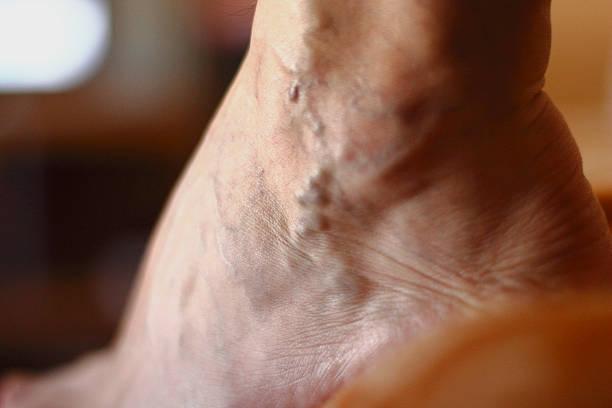
There are several misconceptions about Spider Veins Treatment in Dubai, particularly concerning treatment safety, discomfort, permanence, and the causes of visible veins. Medical treatments such as vascular laser therapy and sclerotherapy can reduce the appearance of selected superficial vessels, but neither method guarantees that every vein will disappear or that new ones will never develop. Understanding the difference between common assumptions and established medical principles helps patients make informed decisions.
Spider veins are often considered a cosmetic concern, but some visible veins may coexist with underlying circulation problems. A proper assessment is therefore important before choosing a procedure.
Common Myths About Spider Veins Treatment in Dubai
Understanding what treatment can and cannot achieve helps establish realistic expectations.
Myth 1: All Spider Veins Are the Same
Medical fact: Spider veins vary in size, depth, colour, and location. Fine red facial capillaries are different from larger blue leg vessels or reticular veins.
These differences influence treatment selection. A vascular laser may be suitable for selected superficial vessels, while sclerotherapy may be more appropriate for certain leg veins.
Myth 2: Laser Treatment Removes Every Visible Vein
Medical fact: Laser therapy can reduce the visibility of selected vessels, but complete removal is not guaranteed.
Some veins respond more effectively than others. Vessel depth, diameter, skin characteristics, and treatment settings all influence the outcome.
Myth 3: Spider Vein Treatment Is Always Permanent
Medical fact: Successfully treated vessels may remain less visible, but new spider veins can develop.
Genetics, hormonal changes, ageing, pregnancy, and underlying venous conditions may contribute to future visible vessels. Treatment does not eliminate every factor associated with their development.
Myths About Causes and Medical Significance
Spider veins are not always caused by a single lifestyle habit, and their presence does not automatically indicate serious disease.
Myth 4: Crossing Your Legs Causes Spider Veins
Medical fact: Crossing the legs is not established as a direct cause of spider veins. Family history, age, hormonal influences, pregnancy, and venous factors are more relevant considerations.
People should avoid blaming a single sitting habit for the development of visible vessels.
Myth 5: Spider Veins Are Always a Sign of Poor Circulation
Medical fact: Many spider veins are harmless and cause no symptoms. However, visible vessels may sometimes coexist with venous insufficiency.
Persistent leg swelling, aching, heaviness, skin discolouration, or prominent varicose veins should be medically assessed rather than treated as a purely cosmetic issue.
Myth 6: Only Older People Develop Spider Veins
Medical fact: Spider veins can appear in adults of different ages. Genetic predisposition, hormonal changes, pregnancy, and other factors can influence when they become visible.
Age may contribute, but it is not the only explanation.
Myths About Laser Treatment and Safety
Laser technology is useful for selected vascular concerns, but it requires proper assessment and careful use.
Myth 7: Laser Treatment Is Completely Risk-Free
Medical fact: Vascular laser treatment can cause temporary redness, swelling, tenderness, bruising, and pigment changes.
Less common complications include burns, blistering, infection, scarring, and persistent changes in skin colour. Appropriate device selection and treatment settings help manage risk but cannot eliminate it.
Myth 8: Every Skin Tone Can Use the Same Laser Settings
Medical fact: Skin pigmentation affects how laser energy is absorbed. Melanin can compete with haemoglobin for energy absorption, which may increase the risk of unwanted pigmentation changes in some skin types.
A specialist should consider skin tone, recent tanning, vessel depth, and device characteristics before choosing treatment settings.
Myth 9: Laser Is Always Better Than Sclerotherapy
Medical fact: The two procedures have different indications. Laser therapy may be appropriate for selected fine facial vessels and superficial veins, while sclerotherapy is commonly used for suitable leg spider veins and reticular veins.
The preferred method depends on the vascular concern rather than the popularity of a particular technology.
Myths About Recovery and Prevention
Treatment results and recovery vary, so patients should avoid relying on fixed claims.
Myth 10: There Is Never Any Downtime
Medical fact: Many superficial vascular treatments allow a relatively quick return to routine activities, but temporary skin reactions may occur.
Some patients may need to adjust exercise, skincare, or sun exposure for a short period according to the treating clinician's instructions.
Myth 11: Compression Stockings Remove Existing Spider Veins
Medical fact: Compression garments may help manage symptoms associated with certain venous conditions, but they do not directly remove existing spider veins.
Their use should be based on medical advice and appropriate fitting.
Myth 12: Exercise Guarantees Prevention
Medical fact: Regular movement supports general circulation and calf muscle function, but it cannot guarantee that new spider veins will not appear.
Genetic and hormonal factors may continue to influence vascular changes.
How to Evaluate Treatment Information
Patients should be cautious about claims that promise immediate, permanent, or completely risk-free results.
Reliable treatment information should explain:
-
Which vein types are suitable for the procedure.
-
Why a particular treatment is being recommended.
-
What degree of improvement may be realistic.
-
How many sessions might be considered.
-
Which side effects and complications are possible.
-
Whether symptoms suggest the need for further vascular investigation.
A clinician may recommend duplex ultrasound when there are signs of underlying venous reflux, such as persistent swelling, prominent varicose veins, or skin changes.
Clinic Note: Medical decisions should be based on vessel characteristics and individual assessment rather than online promises. A suitable treatment can improve selected visible veins, but it cannot guarantee permanent prevention of future vascular changes.
Frequently Asked Questions
Can spider veins disappear without treatment?
Some visible vessels may become less noticeable over time, but established spider veins do not reliably disappear on their own. Treatment decisions depend on symptoms and personal concerns.
Are spider veins dangerous?
Many are harmless and primarily cosmetic. However, associated swelling, pain, skin changes, or prominent varicose veins may require medical assessment.
Does laser treatment prevent new spider veins?
No. Laser therapy targets selected existing vessels and does not remove the factors that may contribute to future vein development.
Is compression a replacement for laser treatment?
No. Compression supports selected venous conditions and symptoms, while laser treatment targets visible vessels. They have different purposes.
Get Evidence-Based Guidance at Tajmeels Clinic
Understanding the medical facts behind vascular treatment helps patients avoid unrealistic expectations and unnecessary procedures. Tajmeels Clinic can help assess visible veins, discuss suitable treatment options, and explain the potential benefits, limitations, and risks of an individual treatment plan.
- Managerial Effectiveness!
- Future and Predictions
- Motivatinal / Inspiring
- Fitness and Wellness
- Medical & Health
- Manufacturing
- Education
- Real-Estate
- Food Industry
- Hospitality
- Online Games
- Sports
- Home Services
- Civil Engineering
- Safety and Protection
- Software Products & Services
- Fashion and Jewellery
- Artificial Intelligence
- Entrepreneurship
- Mentoring & Guidance
- Marketing
- Networking
- HR & Recruiting
- Literature
- Shopping
- Career Management & Advancement