

 SkillClick
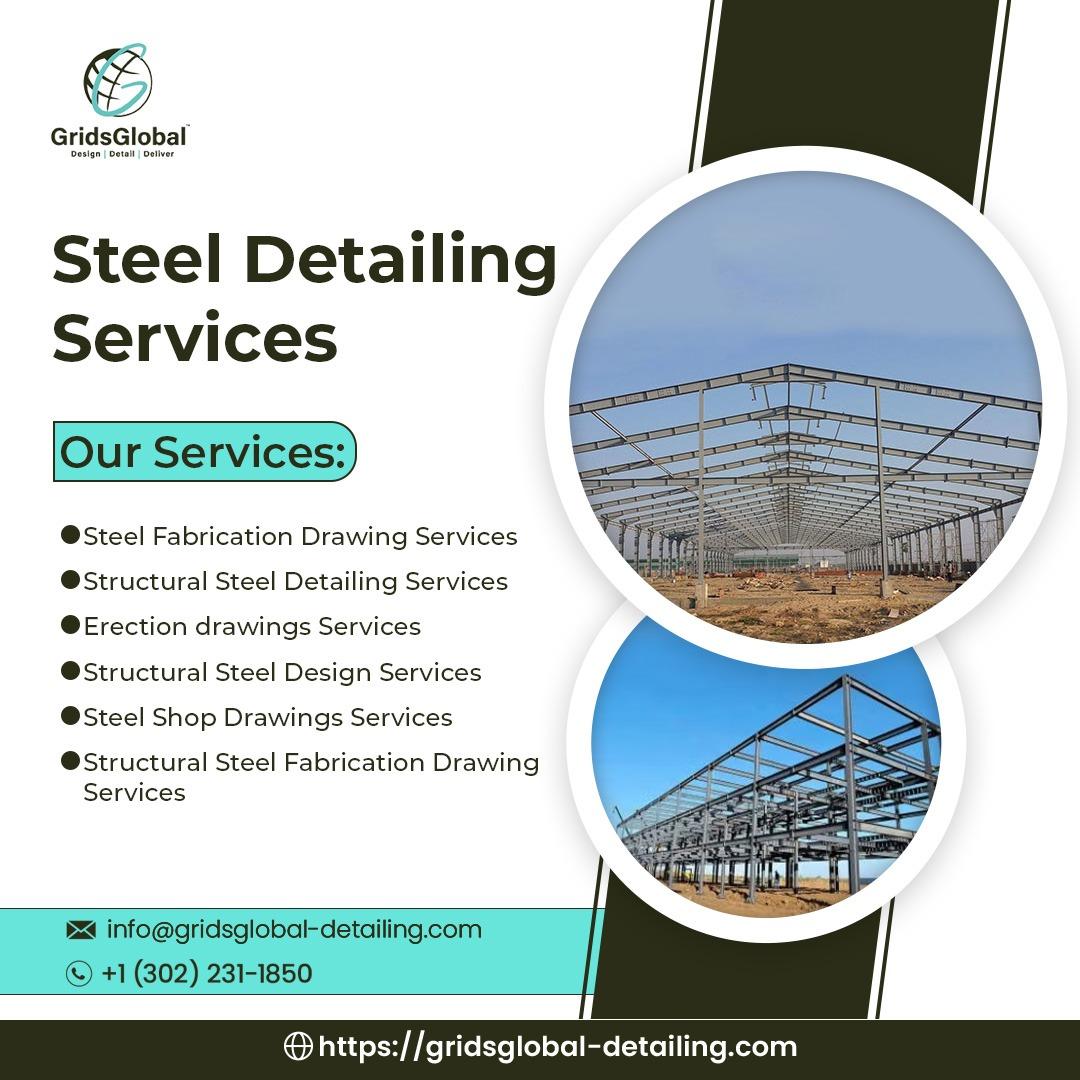
A detailing partner establishes the cadence for the entire fabrication process. When drawings arrive complete and accurate, the shop operates smoothly and nobody notices. When they arrive with gaps, the interruptions begin, and each one costs more than the last. Most fabricators have learned this through experience. The lesson is always consistent: careful vetting outweighs a low quote, and it happens before the contract, not after. Pennsylvania supports a diverse range of steel projects, including commercial buildings, industrial facilities, warehouses, and transportation infrastructure, and each sector places unique demands on a detailing team. For fabricators evaluating a steel detailing company in Pennsylvania, the sections below address what to examine, why each item deserves attention, and how to conduct those checks effectively.
Why Does This Decision Influence Far More Than the Detailing Budget?
Consider what one flawed detail actually costs. A dimension that fails to close becomes a call to the engineer, a pause at the machine, and sometimes a piece cut twice. A connection shown incorrectly turns into a field issue, and field issues hurt most because the crew is already on site with equipment running and cranes on the clock. Detailers sit upstream of every one of those situations. Accurate drawings keep fabrication steady and let erection crews find what they expect. Thin drawings shift cost off the detailing invoice and into labor, material, and lost days. That redistribution explains why vetting warrants more effort than the quote comparison usually receives.
What Should Their Project History Demonstrate?
Claims about capability cost nothing. Evidence requires effort, which is precisely why it belongs on your checklist. Ask a prospective partner to describe the work behind their experience in enough depth that you can judge whether it resembles yours. Years in structural steel produce a fluency that is difficult to counterfeit. Seasoned detailers read framing plans without hesitation, sense where fabrication tends to stall, and understand how a connection behaves once a fitter reaches it. Request a portfolio covering commercial buildings, industrial structures, warehouses, and more involved frameworks where your scope calls for them, then ask for redacted drawing sets from a comparable job. A firm that shares real output is giving you something to evaluate. A firm that avoids the request is answering the question anyway.
How Much Does the Modeling Platform Influence Project Outcomes?
The software underpinning a detailing operation governs how much coordination it can absorb on your behalf. Tekla Structures and SDS/2 have become the working standard because they support detailed three-dimensional modeling, produce drawings directly from the model, and make clash detection an everyday step rather than a special effort. A firm still dependent on older tools or manual drafting habits shifts that risk onto your shop. Ask which platform they run, how long it has anchored their workflow, and whether they can supply native model files alongside PDF and DWG outputs. Follow with a question about how conflicts get settled inside the model before a drawing is released. A clash caught on screen costs a brief exchange. The same clash discovered in the yard costs a shift.
What Distinguishes a Reliable Drawing Set from a Risky One?
Shop drawings and erection drawings are the actual product, so read them the way your shop would. A solid shop set answers questions before anyone has to ask. Dimensions close. Material callouts line up with the specification. Weld symbols sit where they belong. Bolt and connection information arrives complete instead of pointing somewhere else. Assembly notes read clearly enough that a fitter does not need to walk to the office. Erection drawings should give the field an unambiguous sequence and piece marks nobody has to second-guess. When samples arrive, skip the cover sheet and open a crowded connection area. That is where the line between adequate and excellent becomes visible.
Why Does the Checking Process Matter More Than Any Other Factor?
High-volume detailing does not produce clean first drafts, and a firm claiming otherwise is either skipping checks or misrepresenting its process. What sets professionals apart is the review structure behind each set. Ask who performs internal checking, how many people review a set before release, and what happens when a discrepancy surfaces late. Ask how revisions are logged and how a changed model is reconciled against drawings already circulating in the shop. A company with a genuine quality process explains it plainly without reaching for slogans. Fuzzy answers matter here, because quality control is the one function whose absence stays hidden until it becomes costly.
What Should You Confirm About Codes and Professional Boundaries?
Detailing in Pennsylvania happens inside American steel construction standards, and ease with AISC requirements is a baseline expectation rather than a selling point. The team should be fluent in structural steel terminology, welding symbols, bolting conventions, and the documentation habits engineers and fabricators depend on. Just as important is where the firm draws its boundaries. Detailers interpret and document approved design information. Structural engineering decisions and final approval of connection designs remain with licensed professionals unless your contract explicitly assigns those services to the detailing firm. A partner who respects that line demonstrates professionalism rather than conceding a gap.
How Do You Assess Whether Communication Will Hold Up Under Pressure?
Most detailing relationships are decided by communication long before anyone debates drawing quality. You want a partner who answers technical questions promptly, raises ambiguity instead of resolving it through silent assumption, and keeps a clean trail of RFIs, submittals, revisions, and approval comments. Ask how project communication is organized, who your day-to-day contact will be, and what happens when a question lands mid-review. Then watch how the firm behaves while it is still pursuing your award. Slow or muddled replies during the sales phase rarely sharpen once the contract is signed.
Why Should Proposals Be Compared by Scope Rather Than Price Alone?
Cost is a legitimate consideration, yet the smallest number on a page conveys very little by itself. Put proposals side by side and confirm what each one includes. Three-dimensional modeling, shop drawings, erection drawings, material take-offs, connection detailing, and revision allowances should be stated explicitly rather than assumed. Ask how many revision rounds the price covers and what applies afterward. Ask whether turnaround commitments are firm or merely indicative. An honest quote with defensible dates beats a cheap one carrying scope gaps you end up funding later.
What Signals That They Understand a Working Shop Floor?
Detailing written without regard for production reality creates friction that returns as rework. A partner familiar with material preparation, cutting, drilling, welding, and assembly organizes information in a way that suits your flow. They group pieces sensibly, sequence details for practical build order, and steer clear of arrangements that read well on paper but turn awkward in the bay. Ask how they handle piece marking and assembly grouping. The answer reveals quickly whether they have spent time on a shop floor or only in front of a monitor.
How Can You Determine Whether Their Capacity Matches Your Scope?
Scope swings widely in this trade, from a modest miscellaneous steel package to a structural job carrying thousands of components. Before awarding work, find out who will be assigned to your project, what their availability looks like, and how the firm responds when scope grows or a schedule compresses. Ask about contingency resources and how many active jobs the team typically carries at once. A partner with genuine depth takes a surge without letting quality slip, and will tell you plainly where the ceiling sits rather than promising past it to win the award.
Why Are References Still Worth the Phone Call?
References remain one of the most dependable signals a buyer has, and they work best alongside sample drawings rather than instead of them. Ask for contacts from projects comparable to yours, then call and ask pointed questions. Did drawing sets arrive when promised. How were revisions handled in practice. Did the detailer flag problems before they reached the shop. Would they engage the firm again. Pair those conversations with sample sets and model excerpts so your judgment rests on the work itself rather than someone else's summary of it.
How Do These Questions Combine Into a Sound Decision?
Read as a group, these checks form a workable evaluation framework. Industry experience, proven through real structural steel projects, confirms the technical foundation exists. Software fluency in platforms such as Tekla and SDS/2 supports accurate modeling. Drawing quality across shop and erection sets is the clearest available predictor of fabrication error rates. A defined quality control process with genuine internal review improves accuracy over time. Adherence to AISC standards and project specifications supports compliance. Structured communication through RFIs and regular updates keeps coordination tight. Transparent pricing protects the budget, and realistic delivery timelines protect the schedule. Practical fabrication knowledge improves workflow on the floor, and sufficient capacity supports larger packages without eroding quality.
Why Does the Partnership Matter Beyond the Drawings?
Appointing a detailing partner is not a one-time purchase of files. It establishes a working relationship that either reinforces your operation or slowly wears it down. A dependable team raises accuracy, reduces coordination friction, limits rework, and helps you hold your dates. For Pennsylvania fabricators running several jobs at once, an experienced partner also brings flexibility when a new package lands or an existing one expands. If you are sourcing comprehensive Structural Steel Detailing Services, give priority to a partner whose habits around precision and coordination match the standard your shop already holds itself to.
What Should You Carry Forward From This Guide?
Identifying the right steel detailing company in Pennsylvania comes down to disciplined questioning rather than instinct or the cheapest bid on the table. Weigh technical expertise, software capability, drawing quality, quality control, communication, and delivery history with equal seriousness. Fabricators get the best results when they choose a partner who understands how their shop runs and what their clients expect. That partner reduces errors, improves throughput, and helps bring work in cleanly. For specialized scopes, it also pays to understand what Structural Steel Connection Design Services involve so responsibilities are settled before the first drawing is issued. As you compare providers, note how they handle different regional markets, including demand for Structural Steel Detailing Services in Texas, since that range often reveals how readily a firm adapts to unfamiliar codes and project conditions.
Corporate Contact Information
United States Operations
GRIDSGLOBAL STEEL DETAILING LLC
Address: 1207 Delaware Ave, Unit 2877, Wilmington, DE 19806
Phone: +1 (302) 231-1850
Email: info@gridsglobal-detailing.com
Website: https://gridsglobal-detailing.com/