

 SkillClick
Palm Oil Price Trend October 2026: USA vs India Rates
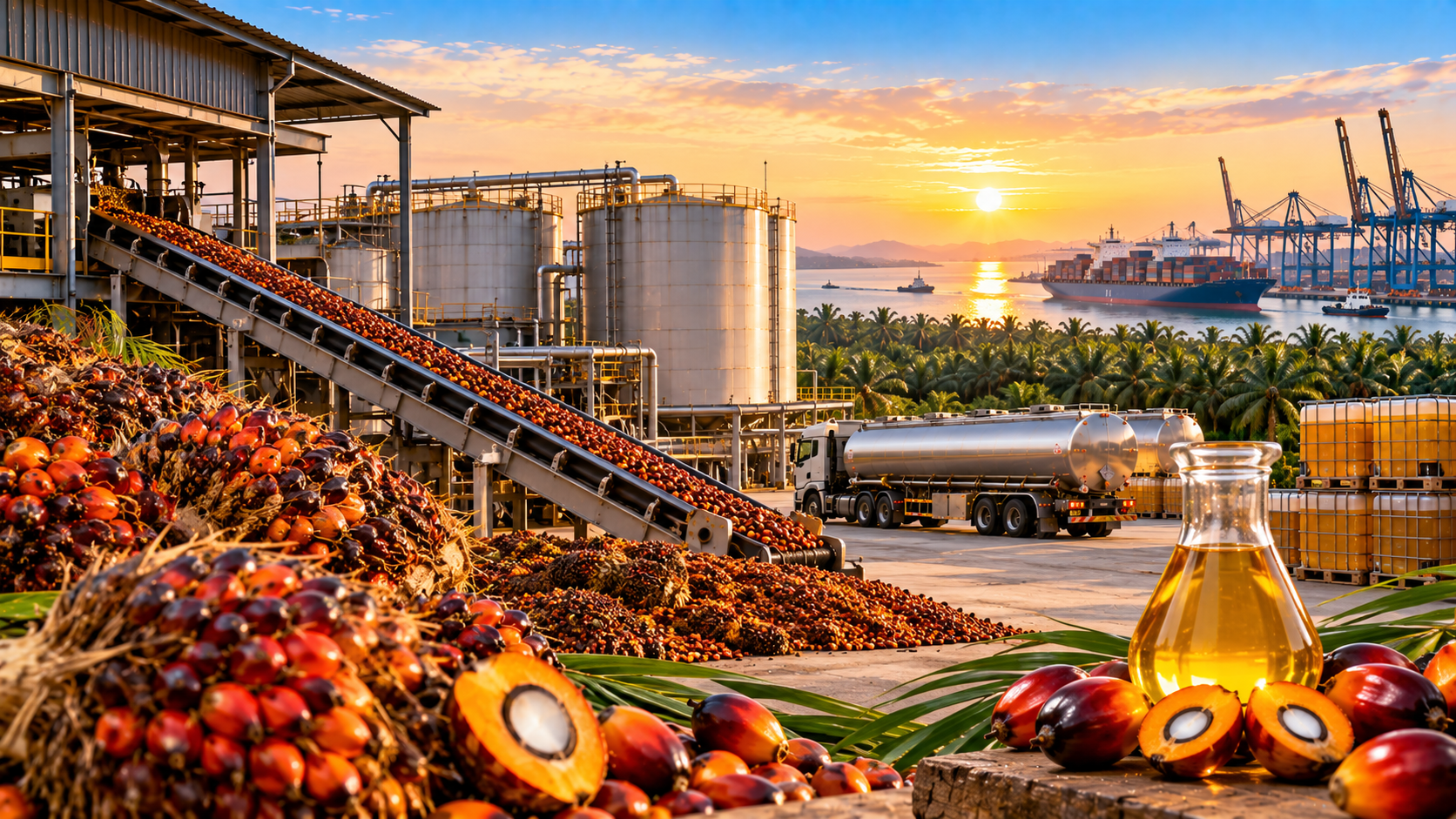
A trader checking palm oil rates this month might assume there’s some obvious reason the USA sits above India. There isn’t, not really. The numbers are USD 1,227.44/MT for the USA and USD 1,214.14/MT for India, both on a CIF basis, both dated October 2026. Thirteen dollars apart. That’s about as tight as two major import markets get for a commodity this heavily traded.
Palm oil doesn’t get the same headline attention as crude or gold, yet it quietly sits in half of what’s on a grocery shelf. Cooking oil, packaged snacks, soaps, biodiesel blends. When the price shifts even slightly, food manufacturers feel it within a billing cycle, not a quarter.
Palm Oil Latest Prices October 2026
| Product | Region | Incoterm Basis | Price | Last Updated |
|---|---|---|---|---|
| Palm Oil | USA | CIF | USD 1,227.44/MT | October 2026 |
| Palm Oil | India | CIF | USD 1,214.14/MT | October 2026 |
Source: Procurement Resource
Two things jump out here. First, both figures use the same incoterm, CIF, so this is a genuine apples-to-apples comparison, unlike pricing sets that mix CFR with CIF. Second, the spread is narrow enough that a single week of freight volatility could flip which market looks cheaper.
India typically imports enormous volumes of palm oil for its edible oil sector. The USA’s import book is smaller by comparison but still meaningful, feeding into food processing and industrial applications. A gap this tight suggests both buyers are working off similar landed cost assumptions right now.
What’s Keeping These Two Prices So Close
Three or four forces usually explain a tight spread like this.
Supply out of Indonesia and Malaysia. These two countries produce most of the world’s palm oil, so weather disruptions, labor shortages, or export policy changes in either country ripple out to every importing nation at roughly the same time. There’s no region that gets a head start on bad harvest news.
Shipping costs. Freight rates from Southeast Asia to North America run higher than freight to South Asia, purely on distance. That gap would normally push US prices well above India’s. The fact that it’s only thirteen dollars suggests something is offsetting that freight difference, possibly demand softness in the USA or a temporary dip in Indian buying appetite.
Currency and demand timing. Festive season buying in India often pulls import volumes up sharply in certain months, which can tighten or widen price gaps depending on when the data gets captured. October sits right in that window for several Indian markets.
Biodiesel mandates. The USA has renewable fuel standards that pull palm oil and related feedstocks into the energy sector, not just food. That extra demand source doesn’t exist at the same scale in India, where palm oil stays mostly in the kitchen.
Reading This Data as a Buyer
Anyone locking in palm oil contracts this quarter should treat these two numbers as a starting reference, not a ceiling or floor. Prices this close together rarely stay that way for long. A shipping disruption in the Strait of Malacca, a sudden export tax change out of Indonesia, any of that can widen the gap within days.
Food manufacturers sourcing from the USA side might want to watch biodiesel demand closely. If energy-sector buying picks up, that pulls supply away from food-grade applications and tends to push CIF prices higher fairly quickly.
Buyers on the India side should keep an eye on domestic edible oil policy. Import duty changes get announced with little warning in some years, and they move landed cost more than almost any other single factor.
Procurement teams managing both markets simultaneously have an easier job this month than usual. A near-identical price point means less pressure to pick one region over the other purely on cost grounds. Supplier reliability and contract flexibility matter more when the raw price difference is this small.
What Comes Next for Palm Oil Prices
Nobody can call the next move with real confidence. What’s fair to say: this narrow spread won’t persist indefinitely. Palm oil has a history of sharp swings tied to harvest cycles in Indonesia and Malaysia, and October sits ahead of several months where weather and export policy both tend to shift.
Buyers planning Q1 2027 contracts should build in some cushion rather than assuming October’s rates hold steady. Thirteen dollars of difference can close to zero or widen past fifty within a single pricing cycle once a supply shock hits either producing country.
Conclusion
The palm oil price trend for October 2026 shows USA and India sitting unusually close, USD 1,227.44/MT against USD 1,214.14/MT, both CIF. That tight spread reflects balanced supply pressure out of Southeast Asia more than anything unique happening in either import market. For procurement teams, this is a reasonable moment to lock in terms before harvest season volatility or policy shifts push the two markets apart again.
FAQ Section
What is the current palm oil price trend for the USA and India?
As of October 2026, palm oil is priced at USD 1,227.44/MT CIF in the USA and USD 1,214.14/MT CIF in India. Both figures use the same incoterm basis, making this one of the tighter price comparisons seen between these two markets in recent months.
Why are palm oil prices so close between the USA and India right now?
Supply from Indonesia and Malaysia feeds both markets equally, which usually keeps prices in a similar range. Freight costs to the USA normally run higher due to distance, but demand timing, currency movement, and biodiesel-related buying appear to be offsetting that gap this month.
What factors drive palm oil prices the most?
Harvest output from Indonesia and Malaysia matters most, since they supply most of the global trade. Beyond that, freight rates, import duties, currency swings, and biodiesel mandates in producing and consuming countries all push prices up or down depending on the season.
How often do palm oil prices change?
Palm oil prices can shift weekly, sometimes faster during harvest disruptions or export policy announcements. Monthly data like this October snapshot works as a benchmark, but anyone negotiating a contract should pull fresh numbers close to signing rather than relying on older figures.
What should buyers watch for in upcoming palm oil price trends?
Watch Indonesian and Malaysian export policy, since sudden tax or quota changes move prices fast. Biodiesel demand in the USA and import duty shifts in India are also worth tracking, as either one could widen the current narrow gap between these two markets within weeks.
- Managerial Effectiveness!
- Future and Predictions
- Motivatinal / Inspiring
- Fitness and Wellness
- Medical & Health
- Manufacturing
- Education
- Real-Estate
- Food Industry
- Hospitality
- Online Games
- Sports
- Home Services
- Civil Engineering
- Safety and Protection
- Software Products & Services
- Fashion and Jewellery
- Artificial Intelligence
- Entrepreneurship
- Mentoring & Guidance
- Marketing
- Networking
- HR & Recruiting
- Literature
- Shopping
- Career Management & Advancement