

 SkillClick
Anesthesia and Safety Standards in Rhinoplasty Surgery in Dubai
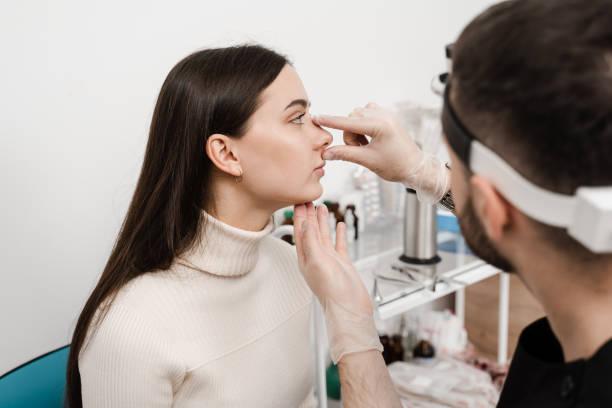
Anesthesia is an important part of Rhinoplasty Surgery in Dubai, helping patients undergo nasal reshaping with appropriate comfort and clinical supervision. Before surgery, the surgeon and anesthesia team review the patient's medical history, current medications, allergies, and general health to determine the safest approach. Understanding this process can help patients prepare with realistic expectations and make informed decisions.
Why Anesthesia Matters in Rhinoplasty Surgery in Dubai
Rhinoplasty involves working with delicate nasal bone, cartilage, and surrounding tissues. Anesthesia helps manage discomfort and allows the surgical team to carry out the planned procedure under suitable conditions.
General anesthesia is commonly used for rhinoplasty, although the appropriate arrangement depends on the procedure, patient factors, and clinical assessment.
The anesthesia plan considers several factors:
-
The extent and complexity of the nasal correction
-
The patient's medical history and overall health
-
Previous reactions to anesthesia
-
Known allergies and medication use
-
The expected duration of surgery
The final decision should be made by the treating surgeon and qualified anesthesia professional.
Types of Anesthesia Used During Nasal Surgery
The anesthesia approach is selected according to the patient's needs and the planned operation.
General Anesthesia for Rhinoplasty Surgery in Dubai
Under general anesthesia, the patient is unconscious during the procedure and does not experience surgical awareness. The anesthesia professional manages the patient's anesthetic care and monitors important body functions throughout surgery.
General anesthesia may be considered for procedures involving structural changes to the nasal bridge, tip, septum, or other internal structures.
Local Anesthesia and Sedation Considerations
Some limited nasal procedures may be performed using local anesthesia, sometimes alongside sedation. This approach is not suitable for every rhinoplasty operation.
Patients should ask which method is proposed, why it is appropriate, and what level of monitoring will be provided.
Pre-Anesthesia Assessment Before Surgery
A pre-anesthesia review helps identify potential risks before the operation. Patients should provide complete and accurate information rather than assuming that a medication or previous medical issue is unimportant.
Medical Information the Anesthesia Team Needs
The assessment may cover:
-
Previous surgeries and anesthesia experiences
-
Heart, lung, or other relevant medical conditions
-
Allergies and medication sensitivities
-
Prescription medicines and over-the-counter products
-
Vitamins, herbal products, and supplements
-
Smoking or nicotine use
-
Recent illness or changes in health
This information helps the team plan care and decide whether additional evaluation is necessary.
Fasting and Medication Instructions
Patients are usually given specific instructions about when to stop eating and drinking before anesthesia. These instructions must come directly from the clinical team because requirements can vary.
Do not independently stop prescribed medicines, blood thinners, aspirin, or other treatments. Ask the surgeon and prescribing clinician how each medication should be managed.
Safety Monitoring During Rhinoplasty
Monitoring continues throughout anesthesia and surgery. The anesthesia professional observes the patient's condition and responds to changes when necessary.
Essential Monitoring During Rhinoplasty Surgery in Dubai
Depending on the procedure and clinical circumstances, monitoring may include:
-
Heart rate and heart rhythm
-
Blood pressure
-
Oxygen saturation
-
Breathing and ventilation
-
Body temperature
-
Overall response to anesthesia
Appropriate monitoring helps the clinical team identify changes early and manage the patient's condition during the operation.
Understanding Surgical Facility Preparedness
Anesthesia safety also depends on the environment in which surgery takes place. Patients can ask about the facility, the professionals involved, and the arrangements available if an unexpected complication occurs.
Important considerations include qualified clinical personnel, appropriate anesthesia equipment, monitoring systems, emergency-response arrangements, and a suitable recovery area.
Patients should feel comfortable asking who will provide anesthesia care and where post-operative observation will take place.
Possible Risks and Side Effects of Anesthesia
Anesthesia is widely used in modern surgery, but it is not entirely risk-free. The likelihood of complications depends on individual health, the type of anesthesia, and the nature of the operation.
Possible short-term effects include:
-
Nausea or vomiting
-
Drowsiness and fatigue
-
Sore throat after airway support
-
Temporary dizziness
-
Shivering or headache
Less common but more serious complications can involve breathing difficulties, allergic reactions, cardiovascular problems, or other unexpected responses.
The anesthesia professional should explain relevant risks based on the patient's medical circumstances.
Recovery After Anesthesia and Rhinoplasty
After surgery, patients are monitored while the effects of anesthesia begin to wear off. The recovery team checks alertness, breathing, comfort, and other relevant observations before discharge or transfer to further care.
Patients may feel sleepy, congested, or temporarily uncomfortable during the initial recovery period. They should arrange transportation and follow instructions about supervision, eating, drinking, and medication.
Driving, operating machinery, or making important decisions should be avoided for the period specified by the clinical team after anesthesia.
Questions to Ask Before Your Procedure
A consultation is an opportunity to understand the anesthesia plan rather than simply agreeing to surgery without clarification.
Consider asking:
-
Which type of anesthesia is recommended for my procedure?
-
Who will administer and monitor the anesthesia?
-
What medical information should I provide?
-
When should I stop eating and drinking?
-
How should my regular medicines be managed?
-
What monitoring will take place during recovery?
-
What symptoms after discharge require urgent medical attention?
Clear answers can help patients feel more prepared and understand their responsibilities before surgery.
Clinic Note: At Tajmeels Clinic, patients considering rhinoplasty should discuss both surgical planning and anesthesia arrangements during their consultation. A suitable plan depends on individual health, nasal anatomy, and the complexity of the proposed correction.
Frequently Asked Questions
Is general anesthesia always required for rhinoplasty?
No. General anesthesia is commonly used, but the appropriate method depends on the operation and the patient's clinical assessment.
How long does it take to recover from general anesthesia?
Initial recovery often takes place over several hours, but tiredness or other temporary effects may continue. Follow the anesthesia team's advice.
Should I stop my regular medication before surgery?
Not without medical guidance. Share a complete medication list and follow instructions from the treating team.
Is anesthesia risk-free during rhinoplasty?
No anesthetic is completely risk-free. A pre-anesthesia assessment helps identify individual concerns and plan appropriate precautions.
Can I go home alone after rhinoplasty under general anesthesia?
Patients generally need an arranged ride home and may require a responsible adult to assist them, according to the facility's discharge instructions.
Making an Informed Decision About Rhinoplasty
Understanding anesthesia, monitoring, and recovery arrangements is an important part of preparing for nasal surgery. Patients should have enough time to discuss individual risks, ask questions, and understand the instructions provided by their clinical team.
Tajmeels Clinic encourages patients considering Rhinoplasty Surgery in Dubai to approach their consultation with clear questions about surgical planning, anesthesia, and aftercare. An informed discussion helps establish realistic expectations and supports thoughtful treatment decisions.
- Managerial Effectiveness!
- Future and Predictions
- Motivatinal / Inspiring
- Fitness and Wellness
- Medical & Health
- Manufacturing
- Éducation
- Real-Estate
- Food Industry
- Hospitality
- Online Games
- Sports
- Home Services
- Civil Engineering
- Safety and Protection
- Software Products & Services
- Fashion and Jewellery
- Artificial Intelligence
- Entrepreneurship
- Mentoring & Guidance
- Marketing
- Networking
- HR & Recruiting
- Literature
- Shopping
- Career Management & Advancement