

 SkillClick
How Can Water Damage Restoration Help Protect Your Property and Prevent Further Damage?
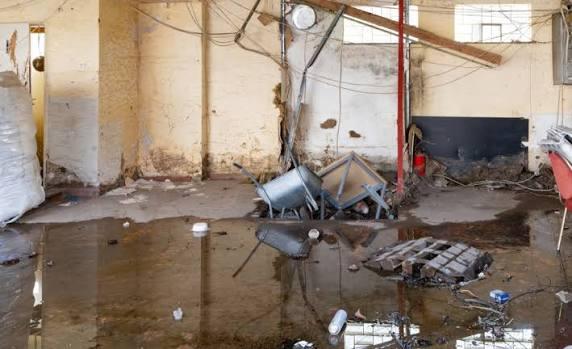
Water damage can happen unexpectedly due to burst pipes, leaking appliances, heavy rainfall, plumbing failures, or flooding. Even a small amount of water can create significant problems when it reaches flooring, drywall, insulation, and other structural materials. Professional Water Damage Restoration helps property owners address moisture problems, protect building materials, and reduce the risk of long-term damage.
For homeowners and businesses looking for Water Damage Restoration in Round Rock, TX, understanding the restoration process is an important first step. Legacy Water Restoration provides water damage restoration services designed to help property owners address water-related emergencies and recover their properties through appropriate cleanup and drying procedures.
But what should you do after discovering water damage? Which restoration steps matter most, and why is professional moisture removal important? Let's explore.
What Are the Most Common Causes of Water Damage?
Water damage can develop from several sources, and identifying the cause is essential before beginning restoration work.
Some common causes include:
- Burst or leaking pipes: Damaged plumbing connections can release water into walls, ceilings, and floors.
- Appliance failures: Washing machines, dishwashers, and water heaters can leak or overflow.
- Roof leaks: Damaged roofing materials may allow rainwater to enter the property.
- Heavy rainfall and flooding: Excessive rainfall can cause water to enter basements, garages, and ground-level rooms.
- Sewer backups: Blocked or damaged sewer lines can introduce contaminated water into indoor spaces.
- Overflowing fixtures: Bathtubs, sinks, and toilets can cause water damage when they overflow.
Regardless of the source, addressing water intrusion promptly can help prevent additional property damage.
Why Is Professional Water Damage Restoration Important?
Water can travel beyond the area where it first appears. For example, a plumbing leak may affect flooring, spread into wall cavities, and reach insulation or nearby rooms.
Professional restoration focuses on more than removing visible water. It also involves identifying affected materials, evaluating moisture levels, removing trapped moisture, and determining which materials require repair or replacement.
Important benefits include:
- Reducing the possibility of additional structural deterioration.
- Identifying hidden moisture behind walls and beneath flooring.
- Addressing conditions that may contribute to mold growth.
- Protecting unaffected areas from further water intrusion.
- Supporting a more organized property recovery process.
Working with an experienced restoration provider can help property owners understand the condition of their buildings and the appropriate next steps.
What Does the Water Damage Restoration Process Include?
A proper restoration process involves several stages. Each stage addresses a different aspect of water damage and helps prepare the property for recovery.
1. Water Damage Inspection and Assessment
The first step is understanding how far the water has spread. A professional Water Damage Inspection helps identify visible damage, affected building materials, and potential hidden moisture.
The inspection may include evaluating:
- Walls and ceilings.
- Carpets and flooring.
- Cabinets and other fixtures.
- Areas around plumbing connections.
- Basements, crawl spaces, and enclosed areas.
Moisture detection equipment can help identify damp areas that may not be visible during a normal walkthrough.
2. Standing Water Removal
Standing water should be addressed as quickly as conditions safely allow. Standing Water Removal involves extracting accumulated water from affected rooms and surfaces.
Depending on the amount of water and the property conditions, restoration professionals may use specialized pumps, extraction equipment, and other appropriate tools.
Removing standing water helps prepare the property for the next stages of drying and cleanup.
3. Flooded Property Cleanup
Flooding can leave behind dirt, debris, and potentially contaminated materials. Flooded Property Cleanup focuses on addressing affected surfaces and removing materials that cannot be safely restored.
The cleanup process depends on the source of the water. Clean water from a supply line presents different concerns than water containing sewage or outdoor contaminants.
Proper assessment is especially important when dealing with potentially contaminated floodwater.
4. Structural Moisture Removal
Visible water removal does not mean the property is completely dry. Moisture can remain inside drywall, insulation, subflooring, framing, and other building materials.
Structural Moisture Removal focuses on reducing trapped moisture within affected building components.
Depending on the damage, professionals may use:
- Commercial air movers.
- Industrial dehumidifiers.
- Moisture monitoring equipment.
- Targeted drying techniques.
Monitoring moisture levels helps determine whether additional drying is necessary before repairs begin.
5. Mold Prevention After Water Damage
Excess moisture can create conditions that support mold growth, particularly when building materials remain damp.
Mold Prevention After Water Damage begins with addressing the original water source, removing excess moisture, and drying affected areas properly.
Property owners should pay attention to:
- Musty odors.
- Persistent dampness.
- Visible discoloration.
- Moisture around baseboards and walls.
- Areas that remain wet after initial cleanup.
If mold is already present, additional assessment and appropriate remediation may be necessary. Simply drying the visible surface may not resolve an existing mold problem.
6. Wet Carpet Restoration
Carpets and padding can absorb substantial amounts of water. Wet Carpet Restoration involves evaluating whether affected carpeting can be cleaned and dried safely or whether replacement is necessary.
The restoration approach depends on the water source, contamination level, length of exposure, and condition of the carpet and padding.
Prompt assessment is important because moisture trapped beneath carpeting can affect the underlying flooring.
7. Drywall Water Damage Repair
Drywall can absorb water, lose strength, and develop visible staining or deterioration.
Drywall Water Damage Repair begins with assessing the affected sections. Depending on the extent of damage, the process may involve drying, removing damaged drywall, replacing materials, and preparing surfaces for finishing.
Before reconstruction, professionals should confirm that the underlying areas have been adequately dried.
What Should Property Owners Do Immediately After Water Damage?
Taking appropriate precautions can help reduce additional damage while waiting for professional assistance.
Consider these steps:
- Identify the water source: If it is safe, stop the water supply or address the source of the leak.
- Stay away from electrical hazards: Avoid entering standing water where electrical equipment or wiring may be affected.
- Protect valuable belongings: Move unaffected furniture and personal items away from wet areas when it is safe.
- Document visible damage: Take photographs and videos for your records and potential insurance documentation.
- Avoid using contaminated areas: Floodwater and sewage backups may contain harmful contaminants.
- Arrange a professional inspection: Have affected areas evaluated to understand the extent of the damage.
Avoid attempting to handle extensive flooding or contaminated water without appropriate protective equipment and professional support.
Why Choose Legacy Water Restoration for Water Damage Restoration in Round Rock, TX?
Water damage can disrupt everyday life, damage valuable belongings, and create uncertainty about the condition of a property. Having a clear restoration process can make the recovery experience more manageable.
Legacy Water Restoration helps property owners address water-related damage through restoration-focused services.
When evaluating restoration needs, property owners should look for a provider that emphasizes:
- Careful assessment of affected areas.
- Appropriate water extraction procedures.
- Thorough structural drying.
- Moisture detection and monitoring.
- Attention to potential mold-related concerns.
- Clear communication about restoration and repair needs.
Whether the problem involves a plumbing leak, flooding, wet carpeting, or damaged drywall, identifying the source and extent of water intrusion is essential.
For property owners seeking Water Damage Restoration in Round Rock, TX, Legacy Water Restoration can be a resource for understanding available restoration services and the steps involved in addressing water damage.
Frequently Asked Questions About Water Damage Restoration
1. What Is Included in Water Damage Restoration?
Water damage restoration may include inspection, water extraction, cleanup, structural drying, moisture monitoring, and necessary repairs. The exact process depends on the water source and the extent of the damage.
2. How Quickly Should Water Damage Be Addressed?
Water damage should be addressed as soon as it is safe to do so. Delays can allow moisture to spread into additional materials and increase the possibility of mold growth and structural deterioration.
3. Can Water Damage Cause Mold Growth?
Yes. Persistent moisture can create conditions that support mold growth. Proper drying, moisture control, and timely attention to affected materials help reduce this risk.
4. Can Wet Carpets Be Restored After Flooding?
Sometimes. Restoration depends on the water source, contamination level, exposure time, and condition of the carpet and padding. Carpets exposed to contaminated water may require removal rather than restoration.
5. How Do Professionals Find Hidden Water Damage?
Restoration professionals may use moisture meters, thermal imaging equipment, and other inspection tools to identify moisture behind walls, beneath flooring, and inside building materials.
6. Does Water-Damaged Drywall Always Need Replacement?
No. Some drywall may be dried and retained if it remains structurally sound and is not contaminated. Saturated, deteriorated, or contaminated drywall may need to be removed and replaced.
7. Why Is Structural Drying Important?
Structural drying helps remove moisture trapped in materials such as wood framing, subflooring, drywall, and insulation. It also helps determine whether affected areas are ready for repairs and reconstruction.
8. Does Homeowners Insurance Cover Water Damage Restoration?
Coverage depends on the insurance policy and the cause of the damage. Sudden and accidental water damage may be covered under certain policies, while gradual leaks or flooding may have different coverage requirements. Property owners should review their policy and contact their insurance provider.
Conclusion: Take the Right Steps Toward Property Recovery
Water damage requires more attention than simply removing visible water. Hidden moisture, damaged building materials, contaminated surfaces, and potential mold growth can all affect the condition of a property.
From Standing Water Removal and Flooded Property Cleanup to Structural Moisture Removal, Wet Carpet Restoration, and Drywall Water Damage Repair, every stage contributes to a more complete restoration process.
Understanding the importance of inspection, moisture control, and timely cleanup can help property owners make informed decisions after an unexpected water-related incident.
If your home or business has experienced water damage, Legacy Water Restoration can help you understand the available restoration services. For Water Damage Restoration in Round Rock, TX, addressing the problem promptly is an important step toward protecting your property and moving forward with recovery.
- Managerial Effectiveness!
- Future and Predictions
- Motivatinal / Inspiring
- Fitness and Wellness
- Medical & Health
- Manufacturing
- Education
- Real-Estate
- Food Industry
- Hospitality
- Online Games
- Sports
- Home Services
- Civil Engineering
- Safety and Protection
- Software Products & Services
- Fashion and Jewellery
- Artificial Intelligence
- Entrepreneurship
- Mentoring & Guidance
- Marketing
- Networking
- HR & Recruiting
- Literature
- Shopping
- Career Management & Advancement