

 SkillClick
How Professional Risk Assessments Help Businesses Stay Safe
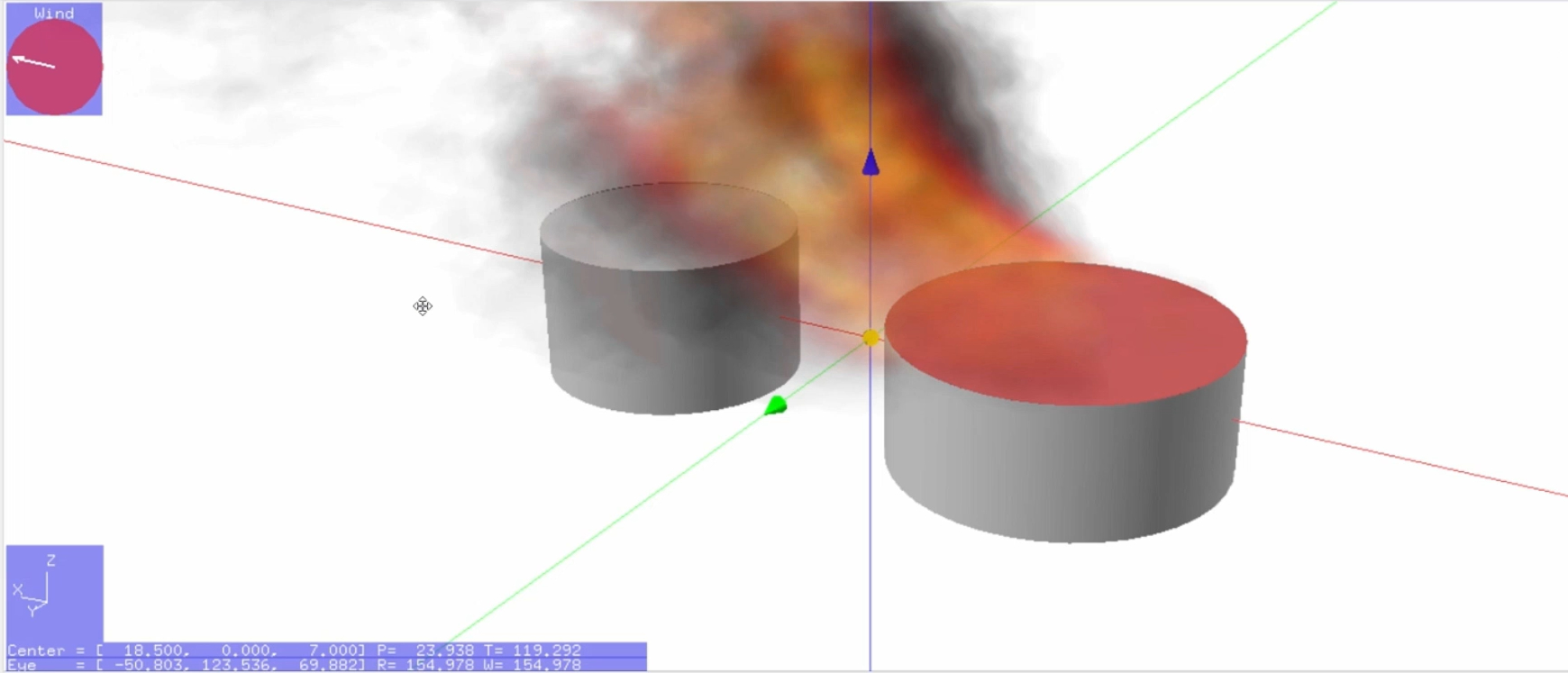
Running a business involves dealing with different types of risks every day. Some are easy to notice, while others can remain hidden until something goes wrong. In industries such as manufacturing, construction, oil and gas, and chemical processing, even a small safety issue can lead to serious consequences. This is why identifying potential problems early and taking the right precautions is an important part of running a responsible business.
Many organizations work with experienced risk assessment consultants to better understand workplace hazards and develop practical ways to control them. Rather than waiting for an accident or equipment failure, businesses can take a proactive approach to safety and reduce the chances of unexpected incidents.
Understanding Workplace Risks
Every workplace has its own set of challenges. A manufacturing facility may deal with moving machinery, high temperatures, and hazardous chemicals, while a construction site may face risks involving heavy equipment, working at heights, and electrical systems.
The first step toward managing these challenges is proper hazard identification. This involves examining workplace activities, equipment, operating procedures, and environmental conditions to determine where something could go wrong.
However, identifying a hazard is only part of the process. Businesses also need to understand how likely an incident is to happen and what its possible consequences could be. This helps them decide which issues require immediate attention and which can be managed through routine safety measures.
How Professional Consultants Support Better Decisions
Managing workplace safety can become complicated, particularly when an organization operates large facilities or handles potentially dangerous materials. Professional consultants bring specialist knowledge and an independent perspective to the process.
They can review existing safety arrangements, identify weaknesses, assess operational risks, and recommend suitable control measures. Their work may also involve reviewing emergency procedures, examining equipment safety, and helping management understand its responsibilities.
Experienced risk management consultants can also help organizations establish consistent procedures for dealing with potential problems. This makes safety planning more organized and helps employees understand what is expected of them.
The goal is not simply to produce a report or complete paperwork. It is to provide recommendations that businesses can realistically apply to their daily operations.
The Importance of Process Safety
For industries dealing with complex equipment, chemicals, pressure systems, or flammable materials, process safety deserves particular attention.
A process safety management system helps organizations control hazards associated with industrial operations. It generally covers areas such as equipment integrity, operating procedures, employee training, emergency planning, and the management of operational changes.
A well-organized approach can help prevent major incidents, including fires, explosions, and hazardous material releases. It also encourages businesses to regularly review their procedures instead of assuming that existing safety arrangements will remain effective forever.
Depending on the facility and its operations, businesses may also need specialist studies such as Hazard and Operability Studies (HAZOP), Layer of Protection Analysis (LOPA), and quantitative risk assessments.
Why Training Makes a Difference
Even the most detailed safety procedures are less effective when employees do not understand how to follow them. Staff members need suitable knowledge and practical training to recognize hazards and respond appropriately.
Process safety training helps workers understand how industrial hazards develop, why certain procedures matter, and what actions they should take when unusual conditions occur.
Specialized courses such as HAZOP training and LOPA training can also help engineers and safety professionals understand structured methods for identifying process hazards and evaluating protective measures.
Training should be relevant to employees' responsibilities and the type of work they perform. Regular refresher sessions can also help keep safety knowledge up to date as equipment, processes, and workplace conditions change.
Using Risk Assessments to Prevent Major Incidents
Some industrial facilities require more detailed assessments because their operations involve potentially severe consequences.
A quantitative risk assessment (QRA), for example, uses numerical methods to estimate the likelihood and potential impact of hazardous events. It can help organizations understand risks associated with activities such as storing flammable materials, operating pressure equipment, or handling dangerous substances.
Other methods serve different purposes. A bowtie risk assessment provides a visual way to understand how threats can lead to an unwanted event and what preventive or mitigating controls are available. A Safety Integrity Level (SIL) assessment helps determine the required reliability of safety instrumented functions.
Hazardous area classification is another important consideration for facilities where flammable gases, vapours, or combustible dust may be present. It helps determine where potentially explosive atmospheres could occur and supports the selection of suitable electrical equipment.
These methods give organizations a clearer picture of their risks and help them make informed decisions about safety improvements.
Making Workplace Safety an Ongoing Priority
Risk management should not be treated as a one-time activity. Business operations change, new equipment is introduced, employees take on different responsibilities, and previously controlled hazards may develop into new problems.
Regular reviews help organizations identify these changes and update their safety arrangements when necessary. For businesses operating in Melbourne, fire risk assessments are also an important consideration, particularly in commercial and industrial buildings where fire hazards can affect employees, visitors, property, and surrounding areas.
Ultimately, creating a safer workplace requires more than mefeting basic regulatory expectations. It involves understanding potential hazards, providing appropriate training, maintaining effective control measures, and encouraging employees to take safety seriously.
With the right expertise and a consistent approach, organizations can make better decisions, reduce operational risks, and create safer working environments for everyone.
- Managerial Effectiveness!
- Future and Predictions
- Motivatinal / Inspiring
- Fitness and Wellness
- Medical & Health
- Manufacturing
- Education
- Real-Estate
- Food Industry
- Hospitality
- Online Games
- Sports
- Home Services
- Civil Engineering
- Safety and Protection
- Software Products & Services
- Fashion and Jewellery
- Artificial Intelligence
- Entrepreneurship
- Mentoring & Guidance
- Marketing
- Networking
- HR & Recruiting
- Literature
- Shopping
- Career Management & Advancement