

 SkillClick
How Fabric Pop Up Display Stands Improve Exhibition Presentations
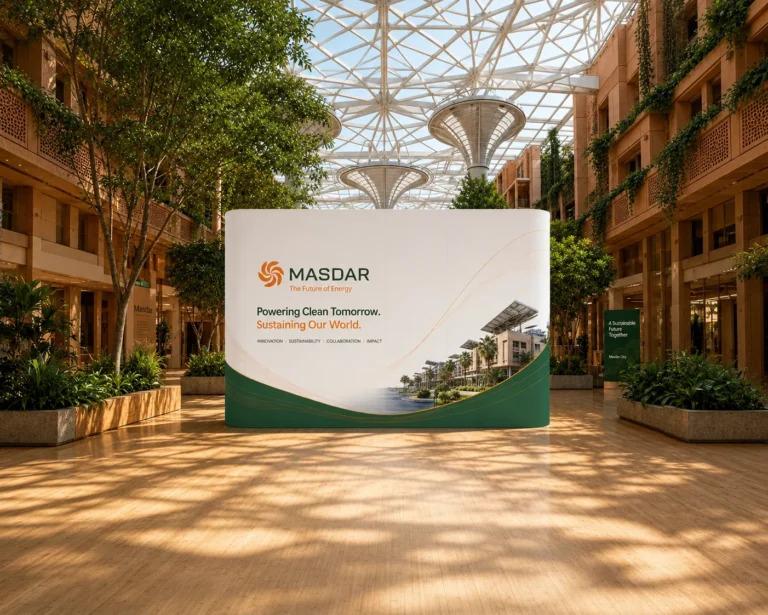
Exhibitions, trade shows, and business events provide companies with opportunities to introduce their products, share information, and meet potential customers. In these environments, the way a display area is organised can influence how visitors interact with an exhibition booth. A well-planned display should be easy to understand, attractive to look at, and practical to use. Among the different display options available, fabric pop up display stands are widely used because they combine lightweight structures with large printed graphics.
These display systems are designed to make exhibition preparation easier while providing enough space for images, messages, and product information. Their fabric surfaces can create a smooth and consistent appearance, making them suitable for both small promotional events and larger exhibitions. Understanding their construction, materials, benefits, and uses can help businesses select a display that meets their requirements.
1. Understanding Fabric Pop Up Display Stands
Fabric pop up display stands are portable exhibition structures that use a collapsible frame and a printed fabric covering. The frame expands to create the display shape, while the fabric graphic fits over it to provide a continuous printed surface.
Unlike traditional rigid display boards, these systems generally use textile materials for their graphics. This makes them relatively lightweight and easier to transport. Many designs also come with carrying bags or protective cases that help keep the components organised between events.
The structure usually consists of several important parts:
-
Collapsible frame: Provides support and holds the display in position.
-
Printed fabric graphic: Covers the frame and carries images, text, and other visual information.
-
Connecting components: Help secure the frame and maintain its shape.
-
Support feet: Provide stability when the display is assembled.
-
Carrying case: Protects the components during transportation and storage.
Some models also include additional accessories, such as shelves, lighting, and display counters. The exact features depend on the design and manufacturer.
How the structure works
The frame is expanded during installation until it reaches its intended shape. Once the structure is secure, the printed fabric is fitted over it. Depending on the system, the graphic may use a zip, hook-and-loop fasteners, or another attachment method.
This simple construction makes the display useful for businesses that need to prepare their exhibition areas without dealing with complicated building processes.
2. Different Types of Fabric Pop Up Displays
Fabric display systems are available in several styles. Each type offers different presentation possibilities, so the right option depends on the available space and the purpose of the event.
Straight fabric displays
Straight displays have a flat front surface and are commonly used behind exhibition counters or product presentation areas. Their simple shape makes them suitable for businesses that prefer a clean and organised appearance.
For example, a company introducing new computer accessories could use a straight fabric backdrop with large product photographs and a short description of its latest products.
Curved fabric displays
Curved displays have rounded frames that create a softer appearance. Their shape can make an exhibition booth look more distinctive and provide a wider visual presentation.
These structures are useful when exhibitors want to create a display that looks different from standard rectangular backdrops. They can also be combined with counters or additional panels.
Modular fabric displays
Modular systems consist of separate sections that can be connected to create different arrangements. Some sections may be straight, while others have curved shapes.
This arrangement gives exhibitors more flexibility when working with different booth dimensions. A small setup may use only a few sections, while a larger event may require additional components.
Double-sided displays
Some fabric systems allow graphics to be displayed on both sides. This can be helpful when a booth is positioned in an open area where visitors approach from different directions.
The choice between single-sided and double-sided graphics depends on the booth location and the amount of information that needs to be displayed.
3. Important Benefits of Fabric Display Systems
A display structure should provide more than an attractive background. It should also support the practical needs of an exhibition and make the preparation process manageable.
Lightweight construction
Fabric graphics and collapsible frames are generally lighter than many traditional rigid display systems. This can make transportation easier, particularly for exhibitors who attend events in different locations.
Easy installation
Many pop-up structures are designed to open and close without requiring complicated tools. This can reduce the time needed to prepare an exhibition booth.
However, installation methods vary between manufacturers, so users should follow the instructions supplied with their particular system.
Large graphic area
Fabric surfaces provide a useful space for displaying photographs, illustrations, headings, and product information. A carefully designed graphic can communicate the main message without requiring several separate boards.
Reusable graphics and frames
Some systems allow the fabric covering to be removed and replaced while the original frame remains in use. This can be useful when a company changes its product range, updates its event information, or introduces a new design.
Convenient storage
When dismantled, many fabric displays can fit into protective carrying bags. Their collapsible construction makes them easier to store compared with large permanent exhibition structures.
Professional presentation
A properly fitted fabric graphic can create a smooth and consistent display surface. This helps maintain an organised appearance and makes the exhibition area look more complete.
4. Choosing the Right Fabric and Printing Quality
The quality of the fabric plays an important role in the appearance and durability of a display. Different textile materials offer different levels of stretch, thickness, texture, and light resistance.
Polyester-based fabrics are commonly used for exhibition graphics because they are lightweight and suitable for printing. Some materials also have stretch properties that help them fit closely around the supporting frame.
When selecting a fabric, exhibitors should consider its intended use, cleaning requirements, and compatibility with the display structure.
Understanding printing methods
Several printing methods are used to produce fabric exhibition graphics.
Dye-sublimation printing: This method transfers colour into the fabric using heat. It is commonly used for textile displays because it can produce detailed images and smooth colour transitions.
Direct fabric printing: In this process, ink is applied directly to the textile surface. The final appearance depends on the fabric, ink, and printing equipment.
Both methods can produce suitable exhibition graphics when the correct materials and production settings are used.
Why image resolution matters
Low-quality images can appear blurred or pixelated when enlarged across a large display. Therefore, photographs and illustrations should have sufficient resolution for the final printing dimensions.
Text should also be large enough to read from a reasonable distance. Important headings should be clearly separated from supporting information.
5. Designing an Effective Fabric Exhibition Display
Good graphic design helps visitors understand what an exhibition booth is about. Since people often have limited time at trade shows, the most important information should be easy to identify.
A successful display normally follows a clear visual order. The main heading attracts attention, the supporting images explain the subject, and smaller text provides additional details.
Use simple and readable content
Too much text can make a display difficult to understand. Instead of writing long paragraphs, exhibitors should use short descriptions and meaningful headings.
For example, a company displaying environmentally friendly packaging could include:
-
A clear heading about sustainable packaging.
-
Photographs of different packaging materials.
-
A few details about recyclable or reusable features.
-
A simple illustration showing the production process.
This approach allows visitors to understand the subject without spending too much time reading.
Select suitable colours
Colours should match the purpose of the display and provide enough contrast between text and background. Light text on a very light background can be difficult to read, while too many bright colours may make the design look crowded.
Consider viewing distance
An exhibition graphic may be viewed from several metres away. Important headings and images should therefore remain visible from a distance.
Before approving the final artwork, it is helpful to check a scaled preview and confirm that no important text or images will be hidden by the frame.
6. Practical Uses in Different Industries
Fabric display systems can be used in many industries because their graphics can be customised for different subjects and events.
Retail exhibitions
Retail businesses can use fabric backdrops to introduce seasonal collections, highlight product categories, and present new designs. For example, a clothing retailer may display photographs of its latest collection behind a product presentation area.
Education fairs
Schools, colleges, and training organisations can use these displays to share information about courses, facilities, admission procedures, and student activities.
A college attending an education fair might create a large fabric backdrop showing its campus, available programmes, and important contact information.
Healthcare events
Healthcare organisations can use fabric displays for educational campaigns, medical conferences, and awareness events. Simple illustrations and readable information can help visitors understand different healthcare topics.
Technology exhibitions
Technology companies often need to explain products that may be unfamiliar to visitors. A fabric backdrop can provide space for product photographs, technical features, and diagrams.
For example, a business presenting a new software platform could use a large printed graphic to explain its main functions while demonstrating the software on a nearby screen.
Corporate conferences
At professional gatherings, fabric displays can provide a consistent background for presentations, networking areas, and information desks.
Their portable design makes them suitable for organisations that regularly participate in conferences and business meetings.
7. How to Select the Right Display Size
The size of a display should match the available exhibition space and the amount of information being presented. A structure that is too large may make a small booth feel crowded, while a very small backdrop may not provide enough visibility in a larger venue.
Before choosing a system, exhibitors should check the width and height of their allocated space. They should also consider nearby furniture, counters, product shelves, and visitor movement.
Factors to consider before purchasing
Several practical questions can help narrow down the available options:
-
How much floor space is available?
-
Will the display be used indoors or outdoors?
-
Is a straight or curved shape more suitable?
-
Does the structure need single-sided or double-sided graphics?
-
How frequently will the display be transported?
-
Will the printed fabric need to be replaced regularly?
-
Is there enough space to store the assembled or dismantled components?
Businesses comparing display suppliers and portable exhibition equipment, including options from Pop Up Stands Dubai, should also examine the frame construction, fabric specifications, graphic finishing, and replacement options before selecting a particular system.
8. Installation, Cleaning, and Maintenance
Although fabric pop-up displays are designed for convenient use, proper handling is necessary to keep them in good condition.
Before installation, exhibitors should check that all frame sections and connecting parts are present. The supporting structure should be expanded carefully and placed on a stable surface.
Once the frame is ready, the fabric graphic should be fitted according to the manufacturer's instructions. Pulling the material too tightly or attaching it incorrectly may cause uneven areas or damage to the stitching.
Cleaning fabric graphics
Fabric graphics can collect dust during transportation and storage. Regular cleaning helps maintain their appearance, but the correct method depends on the material and printing process.
Some graphics can be machine-washed, while others require gentle hand cleaning. Always check the manufacturer's care instructions before washing.
Proper storage practices
After an event, the display should be dismantled carefully. The fabric should be completely dry before storage to reduce the risk of moisture damage.
A few simple practices can help protect the equipment:
-
Fold or roll graphics according to the manufacturer's instructions.
-
Keep the frame components together.
-
Use a protective carrying case.
-
Avoid placing heavy items on the fabric.
-
Store the equipment in a dry location.
-
Inspect the structure before using it at another event.
These steps can help reduce unnecessary damage and keep the display ready for future exhibitions.
9. Common Mistakes to Avoid
Selecting and using a fabric display without proper planning can lead to several problems.
One common mistake is choosing a design based only on its appearance. A display may look attractive but still be unsuitable if it does not fit the allocated booth space.
Another mistake is using too much text. Visitors generally prefer clear information that can be understood quickly. Large paragraphs, small headings, and unnecessary details can reduce readability.
Ignoring fabric quality can also affect the final presentation. Thin or unsuitable material may not fit correctly, while poor printing can make photographs and graphics look dull.
Installation should not be rushed either. An incorrectly assembled frame or unevenly fitted graphic can affect the appearance and stability of the structure.
Finally, exhibitors should avoid assuming that every fabric display is suitable for outdoor use. Wind, rain, and uneven ground can create additional risks. Outdoor use should only be considered when the system is specifically designed for those conditions.
Conclusion: Making the Most of Fabric Display Systems
Fabric pop-up displays provide a practical way to present information, products, and graphics at exhibitions, conferences, and business events. Their lightweight construction, collapsible frames, reusable graphics, and convenient storage make them suitable for organisations that need portable display solutions.
However, choosing the right system requires attention to several details. Fabric quality, printing methods, graphic design, display dimensions, and installation requirements all contribute to the final result.
By selecting suitable materials and planning the layout carefully, exhibitors can create organised and attractive presentation spaces. Regular cleaning, correct storage, and proper handling can also help maintain the display over time, making it useful for different events and changing presentation needs.
- Managerial Effectiveness!
- Future and Predictions
- Motivatinal / Inspiring
- Fitness and Wellness
- Medical & Health
- Manufacturing
- Education
- Real-Estate
- Food Industry
- Hospitality
- Online Games
- Sports
- Home Services
- Civil Engineering
- Safety and Protection
- Software Products & Services
- Fashion and Jewellery
- Artificial Intelligence
- Entrepreneurship
- Mentoring & Guidance
- Marketing
- Networking
- HR & Recruiting
- Literature
- Shopping
- Career Management & Advancement