

 SkillClick
Window Treatments for Dining Room, Living Room, and Bedroom in Washington, DC
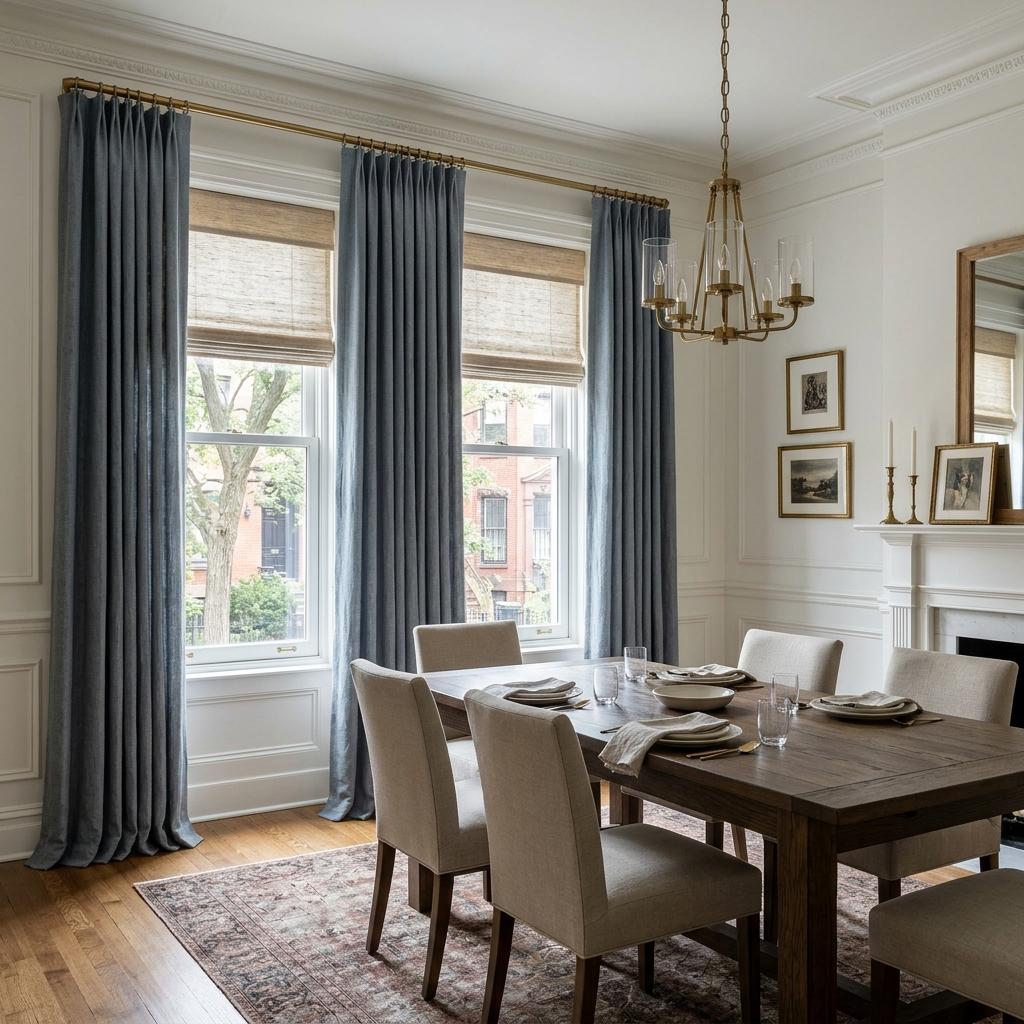
Creating a comfortable and attractive home involves more than selecting furniture, choosing paint colors, or decorating walls. Window treatments also play an important role in how a room looks and feels. The right curtains, shades, and blinds can improve privacy, control natural light, complement interior design, and make everyday living more comfortable. For homeowners in Washington, DC, selecting suitable window treatments for different rooms is an opportunity to combine practical functionality with personal style.
Dining rooms, living rooms, and bedrooms each serve different purposes. Therefore, they require window coverings that address their individual needs. While a dining room may benefit from elegant designs that create a welcoming atmosphere, a living room often needs flexible light control. Bedrooms, on the other hand, typically require privacy and options for reducing unwanted light.
Understanding the Importance of Room-Specific Window Treatments
One common mistake homeowners make is choosing identical window coverings for every room. Although a consistent design can create visual harmony, different spaces have different lighting, privacy, and functionality requirements.
For example, a dining room may have large windows that allow natural sunlight to brighten meals and gatherings. A living room might need adjustable coverings to accommodate television viewing, relaxation, and entertaining guests. Bedrooms generally benefit from window treatments that help create a peaceful environment.
Considering these differences before making a selection helps homeowners choose products that look attractive while serving a practical purpose.
Elegant Window Treatments for Dining Rooms
The dining room is often a central gathering space where family members share meals and guests spend time together. Window treatments can contribute significantly to the atmosphere by introducing color, texture, and softness.
Curtains and drapes are popular options for dining rooms because they offer a wide range of decorative possibilities. Depending on the interior design, homeowners can choose lightweight fabrics for an airy appearance or heavier materials for a more formal setting.
For dining rooms with large windows, floor-length drapes can create an elegant appearance. Neutral shades such as beige, cream, and soft gray work well with many interior styles. Homeowners who prefer a more distinctive look can consider patterned fabrics that complement their furniture and wall colors.
Light-filtering shades are another practical choice. They allow natural light to enter while reducing glare and maintaining a comfortable atmosphere. This can be especially useful during daytime meals when direct sunlight becomes uncomfortable.
The most suitable option depends on the room's layout, window dimensions, existing decor, and personal preferences.
Stylish and Functional Window Treatments for Living Rooms
Living rooms are among the most frequently used spaces in a home. They serve as places for relaxation, entertainment, family activities, and social gatherings. Because these rooms often receive considerable natural light, choosing the right window treatments can make a noticeable difference.
Curtains, blinds, and shades each offer different benefits. Curtains can introduce decorative elements and create a warm, inviting atmosphere. Blinds provide adjustable light control, allowing homeowners to manage the amount of sunlight entering the room. Shades offer a streamlined appearance that works particularly well in contemporary interiors.
Layered window treatments are another option worth considering. Combining decorative curtains with functional shades allows homeowners to enjoy flexibility without sacrificing appearance. During the day, shades can help manage sunlight, while curtains provide additional privacy and visual appeal when needed.
Color selection also matters. Light-colored fabrics can make a room feel open and spacious, while darker tones may create a more dramatic appearance. Homeowners should consider their furniture, flooring, wall colors, and overall decorating style before choosing a particular design.
For those exploring different styles and practical solutions, professional window treatments for dining rooms, living rooms, and bedrooms in Washington, DC can help bring together the right balance of appearance, privacy, and everyday functionality.
Comfortable Window Treatments for Bedrooms
Bedrooms require a different approach because comfort and privacy are usually the main priorities. Unlike living rooms and dining areas, bedrooms are personal spaces where homeowners want to create a relaxing environment.
Blackout curtains and shades are popular choices because they can significantly reduce incoming light when properly selected and installed. They may be particularly useful for people who prefer darker sleeping environments or whose bedrooms receive direct outdoor lighting.
Room-darkening options provide another alternative. These treatments reduce incoming light without necessarily creating complete darkness. They can work well for homeowners who want a balance between natural lighting and privacy.
Cellular shades are also worth considering. Their honeycomb-style construction creates insulating air pockets that can help improve indoor comfort. Depending on the product and installation, they may help reduce unwanted heat transfer through windows.
Fabric selection and color can further influence the bedroom atmosphere. Soft neutrals, muted blues, warm grays, and other calming shades can complement a peaceful interior design.
The best bedroom window treatment should fit the window properly, provide the desired level of privacy, and complement the room's overall appearance.
Choosing the Right Materials and Colors
The material used in window treatments affects both their appearance and performance. Fabric curtains can introduce warmth and texture, while wood and faux wood blinds offer a structured, classic appearance. Roller shades and cellular shades provide simpler designs that suit many modern interiors.
Homeowners should also consider how much maintenance a particular material requires. Some fabrics may need more careful cleaning, while certain blinds can be maintained with occasional dusting. Selecting materials according to household needs can make long-term care easier.
Color coordination is equally important. Window treatments do not always need to match the exact color of the walls or furniture. Instead, they can complement existing elements by introducing subtle contrast or reinforcing the room's overall color palette.
For example, neutral curtains can work well with colorful furniture, while patterned window coverings may add visual interest to a simple interior.
Balancing Natural Light and Privacy
Natural light can make interior spaces feel brighter and more welcoming. However, too much sunlight may create glare, affect indoor comfort, or cause concerns about privacy.
The ideal window treatment should provide an appropriate balance. Light-filtering shades can soften incoming sunlight, while adjustable blinds allow homeowners to control light direction. Blackout options may be more appropriate for bedrooms or rooms where reducing outside light is especially important.
Privacy requirements also depend on window placement. Homes with windows facing sidewalks, neighboring properties, or busy streets may benefit from treatments that offer greater coverage.
Layering different types of window coverings can provide additional flexibility. Homeowners can adjust their treatments according to the time of day, changing lighting conditions, and personal preferences.
Considering Washington, DC Homes and Interior Styles
Washington, DC features a diverse range of residential architecture, from historic row houses and traditional homes to modern apartments and renovated properties. This variety means window treatment choices should reflect both the character of the home and the needs of its occupants.
Older properties may feature distinctive window dimensions, architectural details, or decorative trim that influence installation requirements. Modern residences may have larger windows, open layouts, and contemporary interior designs.
Measuring windows accurately is essential before purchasing any covering. Incorrect measurements can result in poor fitting, uneven appearance, or unwanted gaps that affect privacy and light control.
Homeowners should also consider how window treatments will work with existing hardware, furniture placement, and available wall space. Taking these details into account can help create a more coordinated interior.
Why Professional Guidance Can Make a Difference
Selecting window treatments involves more than finding an attractive fabric or choosing a suitable color. Homeowners must also consider measurements, mounting options, operating systems, light-control requirements, and material compatibility.
Professional guidance can simplify the decision-making process by helping homeowners compare available styles and identify solutions that suit each room. It can also help prevent common mistakes, such as selecting coverings that are too short, choosing unsuitable materials, or overlooking privacy requirements.
A thoughtful approach ensures that dining rooms, living rooms, and bedrooms receive window treatments that meet their individual needs while maintaining a consistent appearance throughout the home.
Final Thoughts
Window treatments are an important part of creating attractive, comfortable, and functional living spaces. Dining rooms benefit from decorative coverings that establish a welcoming atmosphere, living rooms need flexible solutions for everyday activities, and bedrooms require options that support privacy and relaxation.
For homeowners in Washington, DC, the right choice depends on architectural features, window dimensions, interior design, and personal preferences. By carefully considering materials, colors, light control, and functionality, homeowners can select window treatments that improve the appearance and usability of every room.
A well-planned window treatment design does more than complete a room's decoration. It brings together comfort, privacy, and style, helping create a home that feels inviting throughout the year.
More details are available at: Local Business Directory
- Managerial Effectiveness!
- Future and Predictions
- Motivatinal / Inspiring
- Fitness and Wellness
- Medical & Health
- Manufacturing
- Education
- Real-Estate
- Food Industry
- Hospitality
- Online Games
- Sports
- Home Services
- Civil Engineering
- Safety and Protection
- Software Products & Services
- Fashion and Jewellery
- Artificial Intelligence
- Entrepreneurship
- Mentoring & Guidance
- Marketing
- Networking
- HR & Recruiting
- Literature
- Shopping
- Career Management & Advancement