

 SkillClick
Why Do Swimming Pool Tiles Need More Than Ordinary Cleaning?
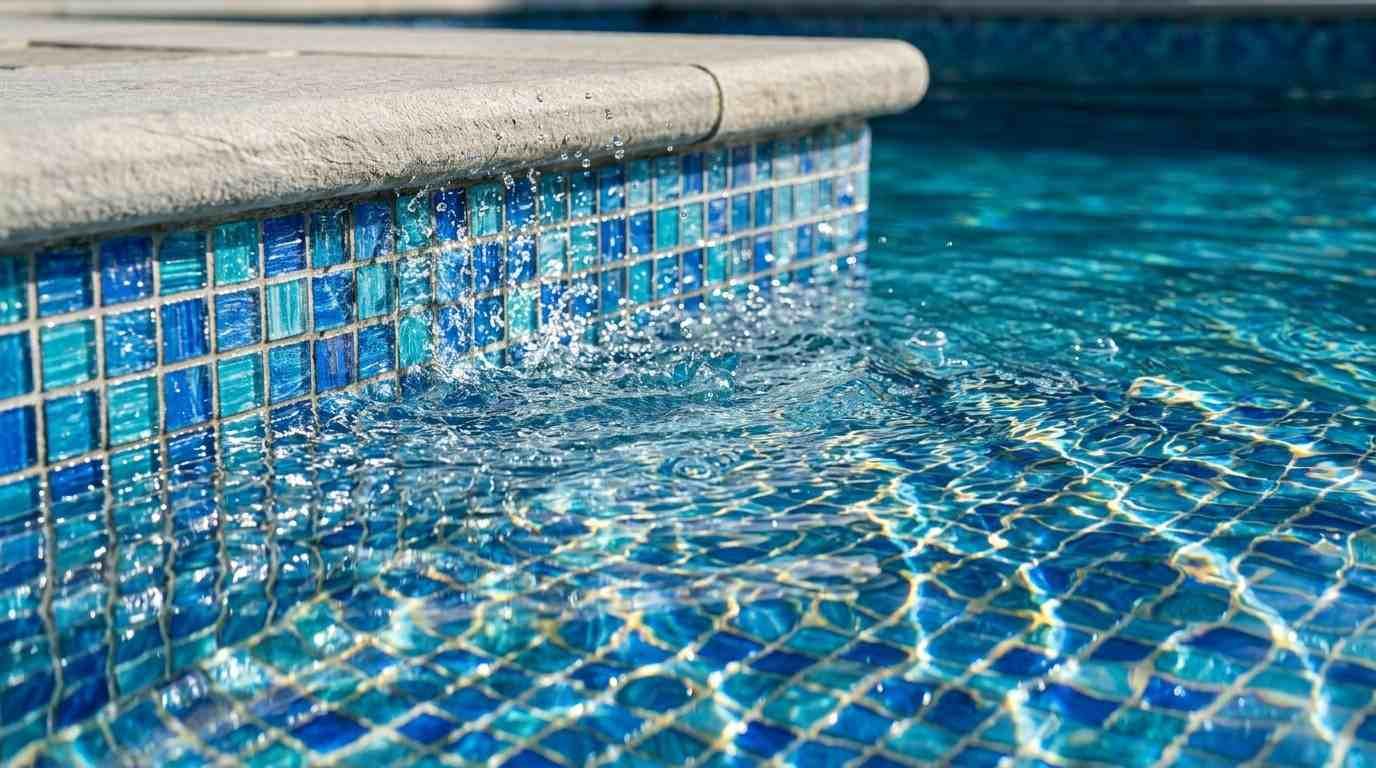
A swimming pool can have clear water and a properly functioning filtration system while its surrounding tiles gradually lose their original appearance. White mineral deposits, cloudy discoloration, and stubborn waterline stains can develop even when a pool receives regular attention. These changes are particularly noticeable around the waterline, where repeated exposure to water, sunlight, and evaporation creates conditions for mineral buildup.
For homeowners, maintaining attractive pool tiles is about more than appearance. Tile surfaces contribute to the overall condition of a swimming pool, and neglecting them can make routine maintenance increasingly difficult. Understanding what causes these deposits and how to manage them helps pool owners make better decisions about long-term care.
What Causes Mineral Deposits on Swimming Pool Tiles?
One of the most common reasons pool tiles develop a chalky appearance is mineral accumulation. Pool water contains dissolved minerals, including calcium. When water evaporates from the surface, some of these minerals remain behind.
Over time, repeated evaporation can create visible deposits along the waterline. These deposits may appear as white rings, rough patches, or hardened crusts attached to individual tiles.
Several factors contribute to the problem:
-
Water hardness: Water containing higher concentrations of calcium and other minerals can contribute to scale formation.
-
Evaporation: Warm temperatures accelerate evaporation, leaving dissolved minerals behind.
-
Water chemistry: Poorly maintained calcium hardness, pH, and alkalinity levels can increase the potential for scaling.
-
Inconsistent surface maintenance: Deposits become more difficult to manage when they remain undisturbed for extended periods.
In North Texas, seasonal heat and naturally occurring mineral concentrations make waterline maintenance an important consideration for swimming pool owners.
Why Ordinary Pool Cleaning May Not Be Enough
Routine pool cleaning generally focuses on removing floating debris, vacuuming sediment, brushing surfaces, and maintaining appropriate water chemistry. These activities are essential, but they do not necessarily address hardened mineral deposits.
A standard pool brush may remove loose dirt and some surface residue. However, established calcium scale can become firmly attached to tile surfaces. Repeated brushing without an appropriate removal method may produce little improvement.
Using aggressive household cleaning products is not necessarily a better solution. Certain chemicals can affect grout, surrounding materials, or the finish of decorative tiles. Abrasive tools can also leave scratches, particularly on delicate glass and polished surfaces.
The appropriate cleaning method depends on the deposit, tile material, and overall condition of the affected area.
How Professional Tile Cleaning Addresses Stubborn Buildup
Professional pool tile cleaning involves evaluating the affected surfaces before selecting an appropriate treatment method. Different materials respond differently to cleaning techniques, so the process should account for the characteristics of the pool installation.
Understanding Low-Pressure Media Descaling
Specialized media descaling systems can help remove hardened mineral deposits from pool tile surfaces. These systems use controlled equipment and suitable cleaning media to loosen accumulated scale without relying on aggressive manual scrubbing.
The technique must be adjusted according to the surface being treated. Ceramic, glass, and natural stone tiles have different characteristics, and the cleaning approach should reflect those differences.
Protecting Grout and Surrounding Materials
Grout lines are particularly important because they connect individual tiles and help maintain a consistent surface. Excessive abrasion or inappropriate chemicals can damage grout and create additional maintenance concerns.
A careful cleaning process considers the condition of the grout, the surrounding finish, and the location of mineral deposits.
Restoring the Waterline Appearance
The waterline is often the most noticeable area of a swimming pool because it creates a visible boundary between the water and the surrounding tile. Removing accumulated deposits can improve the appearance of this area and make the entire pool look better maintained.
For property owners seeking specialized assistance, Pool Tile Surface Preservation in Midlothian, TX is a relevant consideration when evaluating the condition and ongoing care of pool tile surfaces.
Why Tile Material Matters When Choosing a Cleaning Method
Not all swimming pool tiles are manufactured from the same materials. The surface characteristics of each material influence how it should be maintained.
Ceramic tiles: Ceramic pool tiles generally have a durable glazed surface. However, aggressive abrasives can damage the finish, especially around edges and grout connections.
Glass tiles: Glass creates a reflective appearance that can make swimming pools look particularly attractive. Its smooth finish still requires appropriate cleaning methods to prevent scratches and preserve its appearance.
Natural stone tiles: Stone surfaces can have varying levels of porosity and sensitivity. Some materials may react poorly to acidic cleaners or unsuitable chemical treatments.
Before cleaning, identifying the tile material is an important step. A method that works effectively on one surface may be unsuitable for another.
How Water Chemistry Influences Tile Condition
Physical cleaning and water chemistry management work together. Even after mineral deposits have been removed, poorly balanced pool water can contribute to recurring scaling problems.
Pool owners should pay attention to several water chemistry measurements:
-
pH: Indicates how acidic or alkaline the water is.
-
Calcium hardness: Measures the concentration of dissolved calcium.
-
Total alkalinity: Helps stabilize pH levels.
-
Water temperature: Influences evaporation and chemical behavior.
These measurements should be evaluated together rather than individually. Maintaining appropriate chemical balance helps reduce conditions that contribute to mineral accumulation.
Regular testing is especially valuable during warmer months, when evaporation can increase and pool water levels may require more frequent adjustment.
Practical Ways to Reduce Future Tile Maintenance Problems
Although mineral deposits cannot always be prevented completely, consistent care can help reduce their accumulation.
Monitor Water Levels
Pay attention to changes in water levels during hot weather. Evaporation is a normal occurrence, but regularly monitoring the pool helps owners maintain appropriate operating conditions.
Maintain Balanced Water Chemistry
Test pool water according to an appropriate maintenance schedule. Adjustments should be based on actual readings rather than assumptions about chemical requirements.
Address Visible Deposits Early
Small mineral deposits are generally easier to manage than thick, established scale. Inspect the waterline periodically and investigate unusual discoloration or rough patches.
Use Appropriate Cleaning Equipment
Choose brushes and cleaning tools that are compatible with the pool's tile material. Avoid using metal scrapers or harsh household products without confirming their suitability.
Schedule Periodic Surface Assessments
A periodic inspection can help identify areas where deposits are developing, grout is deteriorating, or cleaning methods need adjustment. Early attention may prevent minor maintenance concerns from becoming more complicated projects.
Why Local Environmental Conditions Matter in Midlothian
Swimming pool maintenance is influenced by the surrounding environment. In Midlothian and the wider Ellis County area, hot summers, seasonal weather changes, and mineral content in municipal water can all affect pool maintenance requirements.
During extended periods of hot weather, evaporation can leave mineral residue along the waterline. Storms can introduce organic debris, while changing temperatures can influence how frequently pool owners need to inspect their equipment and surfaces.
These conditions make consistent attention particularly important for residential swimming pools. Property owners should consider both water quality and physical surface condition when planning their maintenance routines.
Make Pool Tile Care Part of a Long-Term Maintenance Plan
Maintaining swimming pool tiles requires a combination of appropriate cleaning methods, balanced water chemistry, and regular inspections. Removing visible mineral deposits is only one part of the process. Protecting the underlying surfaces and reducing the conditions that contribute to recurring buildup are equally important.
Pool owners who recognize early signs of scaling can make informed decisions about cleaning methods before deposits become more difficult to address. Understanding tile materials, monitoring water chemistry, and avoiding unnecessarily aggressive treatments can all contribute to better maintenance outcomes.
A consistent approach helps preserve the appearance of swimming pool surfaces while supporting the overall condition of the pool. Rather than waiting until the waterline becomes heavily discolored, homeowners can make tile inspections and appropriate surface care a regular part of responsible pool ownership.
More details are available at: Local Business Directory
- Managerial Effectiveness!
- Future and Predictions
- Motivatinal / Inspiring
- Fitness and Wellness
- Medical & Health
- Manufacturing
- Education
- Real-Estate
- Food Industry
- Hospitality
- Online Games
- Sports
- Home Services
- Civil Engineering
- Safety and Protection
- Software Products & Services
- Fashion and Jewellery
- Artificial Intelligence
- Entrepreneurship
- Mentoring & Guidance
- Marketing
- Networking
- HR & Recruiting
- Literature
- Shopping
- Career Management & Advancement