

 SkillClick
Why Do Hard Water Stains Develop on Glass and How Can They Be Treated?
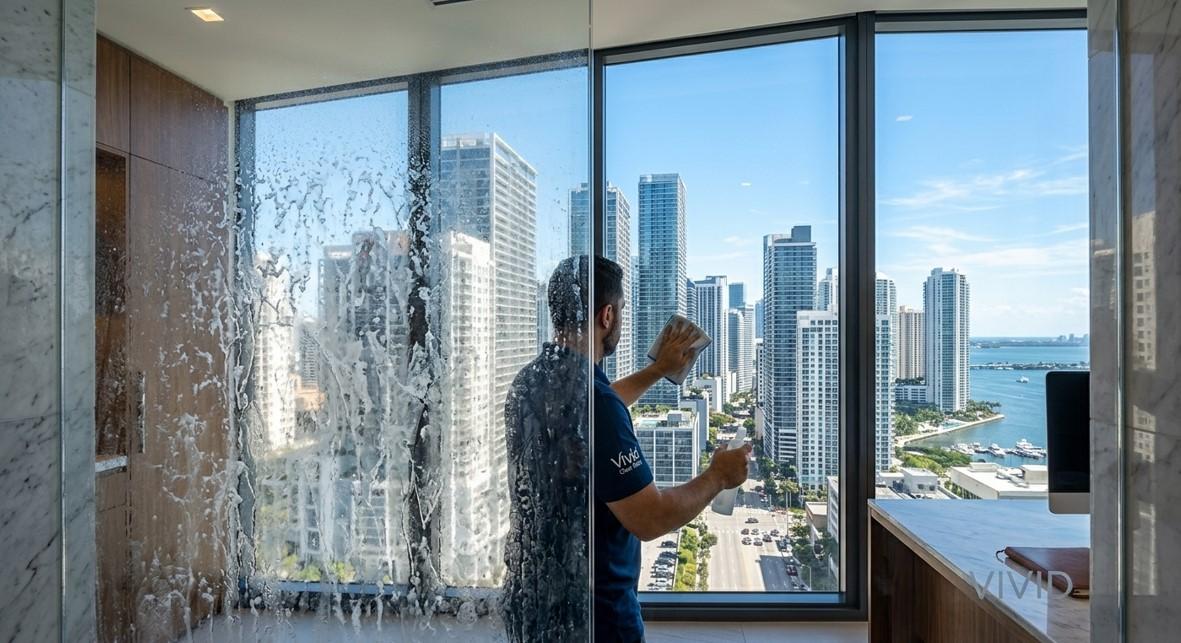
Glass surfaces are frequently exposed to water through rain, showers, sprinklers, and routine cleaning. Although water may appear clear, it can contain dissolved minerals that remain behind after the moisture evaporates. Over time, these minerals can create white spots, cloudy patches, and stubborn marks on windows, shower doors, and other glass installations.
Regular cleaning may remove loose dirt and fresh water spots, but older mineral deposits can be more difficult to manage. Hard water spot removal and mineral buildup on glass require suitable cleaning methods based on the age and condition of the deposits. Using the wrong products or excessive pressure can affect the glass finish, so identifying the source of the marks is a useful first step.
How Do Hard Water Stains Form on Glass?
Hard water contains dissolved minerals, commonly calcium and magnesium. When water reaches a glass surface and evaporates, these minerals can remain behind as visible residue.
Repeated exposure can cause deposits to build up in layers. Areas near faucets, showerheads, sprinklers, and exterior water sources may develop noticeable staining because they come into contact with water frequently.
Several conditions contribute to this problem:
-
Frequent water exposure: Repeated splashes and evaporation leave mineral residue behind.
-
Sprinkler overspray: Outdoor irrigation systems may direct mineral-rich water toward windows.
-
Delayed cleaning: Deposits become harder to remove when they remain on the surface for extended periods.
-
Inadequate drying: Water left on glass can evaporate and create additional spots.
-
Environmental conditions: Heat and direct sunlight can speed up evaporation, leaving mineral residue behind.
These stains may appear as small white dots at first. With continued exposure, they can spread across larger sections of the glass.
Where Are Mineral Stains Most Commonly Found?
Hard water deposits can develop on almost any glass surface that regularly comes into contact with water. However, certain areas experience more frequent exposure.
Shower Doors and Enclosures
Shower doors are exposed to water splashes, soap residue, and moisture every day. When the surface is not dried regularly, mineral deposits can create cloudy patches that affect transparency.
Exterior Windows
Windows near irrigation systems may receive repeated sprinkler spray. In areas with mineral-rich water, this can lead to visible spotting and buildup.
Glass Railings
Balcony and outdoor glass railings are exposed to rain, cleaning water, and environmental residue. Their horizontal edges may also collect water and dirt.
Commercial Glass Entrances
Glass doors and storefront panels are frequently cleaned and handled. Water used during maintenance can leave marks if it is not removed properly.
Recognizing the affected areas helps property owners identify whether the problem comes from indoor water use, outdoor irrigation, or routine cleaning.
Why Is Ordinary Glass Cleaner Sometimes Ineffective?
Standard glass cleaners are designed mainly to remove fingerprints, dust, grease, and light surface residue. Mineral deposits may require a different approach because they contain substances that ordinary cleaning products are not designed to dissolve.
Repeatedly wiping the same area may spread residue without removing the underlying buildup. Using stronger household chemicals without checking their compatibility can also damage certain glass coatings or nearby materials.
The appearance of a stain does not always reveal how deeply it has affected the surface. Some marks are deposits sitting on top of the glass, while others may involve permanent surface changes. A proper assessment can help distinguish between these conditions.
What Should Be Considered Before Treating Hard Water Stains?
Before selecting a cleaning or restoration method, property owners should examine the glass and the surrounding installation.
Age of the deposits: Fresh water spots may be easier to remove than mineral buildup that has remained for months.
Glass type: Coated, tinted, laminated, and specialty glass may have specific maintenance requirements.
Surface condition: Existing scratches, chips, or damaged coatings can affect which treatment methods are appropriate.
Stain distribution: Small isolated spots may require a different approach from widespread cloudy areas.
Nearby materials: Window frames, seals, stone surfaces, and metal fittings may react differently to cleaning products.
Testing a compatible product on a small, inconspicuous area may help identify unwanted reactions, provided the manufacturer's instructions allow it.
Which Maintenance Practices Help Prevent Mineral Buildup?
Preventive care can reduce the amount of mineral residue that accumulates on glass. A simple routine is often more effective than waiting until deposits become widespread.
Useful practices include:
-
Dry shower doors after regular use with a suitable squeegee.
-
Wipe away water splashes before they evaporate.
-
Adjust sprinkler heads so they do not spray directly onto windows.
-
Use clean microfiber cloths for routine maintenance.
-
Follow product instructions when selecting glass cleaners.
-
Inspect exterior windows after irrigation or heavy water exposure.
-
Maintain suitable ventilation in bathrooms to reduce persistent moisture.
These practices help limit repeated mineral exposure and make regular cleaning easier.
When Should Property Owners Seek Specialized Treatment?
Some stains remain visible even after routine cleaning, particularly when mineral deposits have accumulated over a long period. In such cases, the condition of the surface should be evaluated before stronger treatment is attempted.
Property owners dealing with persistent deposits may consider Remove Hard Water Stains on Glass in Miami FL as a specialized maintenance concern. The appropriate approach depends on whether the marks are removable mineral deposits or signs of permanent surface damage. A careful assessment helps determine which cleaning or restoration method is suitable without unnecessarily affecting the glass finish.
How Can Regular Inspections Protect Glass Installations?
Periodic inspections help identify recurring water exposure and developing surface problems. This is especially useful for properties with large windows, outdoor glass railings, shower enclosures, and commercial entrances.
During routine checks, property owners can look for:
-
New white spots or cloudy areas
-
Mineral residue around glass edges
-
Repeated sprinkler marks on exterior windows
-
Changes in transparency
-
Damaged seals or nearby fittings
-
Areas where water regularly collects
If deposits keep returning in the same location, the source of water exposure may need attention. Correcting an irrigation issue or improving drying practices can reduce repeated staining.
Conclusion
Hard water stains develop when dissolved minerals remain on glass after water evaporates. Their appearance can range from small white spots to widespread cloudy patches. Identifying the type and age of the deposits helps determine the appropriate treatment. Consistent cleaning, proper drying, and regular inspections can also help maintain clear glass surfaces over time.
- Managerial Effectiveness!
- Future and Predictions
- Motivatinal / Inspiring
- Fitness and Wellness
- Medical & Health
- Manufacturing
- Education
- Real-Estate
- Food Industry
- Hospitality
- Online Games
- Sports
- Home Services
- Civil Engineering
- Safety and Protection
- Software Products & Services
- Fashion and Jewellery
- Artificial Intelligence
- Entrepreneurship
- Mentoring & Guidance
- Marketing
- Networking
- HR & Recruiting
- Literature
- Shopping
- Career Management & Advancement