

 SkillClick
Mole Removal in Dubai: Safety, Risks, and Aftercare
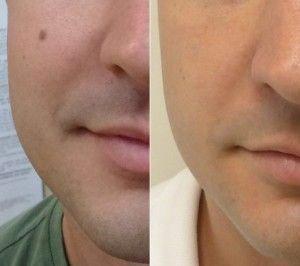
Safety is the question patients ask most often, usually in a slightly different form: "Is this going to cause a problem?" That concern is well placed. Mole removal is a common procedure, but common does not mean risk-free, and the difference between a smooth recovery and a troublesome scar often comes down to technique, patient selection, and aftercare discipline. This article examines what safe mole removal in Dubai actually involves — the realistic risks, the warning signs worth acting on, and the habits that protect healing skin.
What "Safe" Really Means in This Context
Safety in mole removal operates on two levels. The first is diagnostic safety: ensuring a lesion that should be tested is not destroyed without analysis. The second is procedural safety: minimising infection, scarring, and pigment changes during and after treatment.
Both matter, and they can pull in different directions. A quick laser treatment may feel lower-risk cosmetically, but if it destroys a lesion that needed histology, diagnostic safety has been compromised. A clinician's job is to balance these priorities for your specific mole rather than defaulting to the gentlest option.
Mole Removal in Dubai: Recognising the Realistic Risks
No procedure carries zero risk, and any clinic claiming otherwise is worth approaching with caution. The commonly discussed risks include:
-
Scarring — every removal leaves some mark; the question is how visible and how well it matures
-
Infection — uncommon with proper wound care but possible, particularly if aftercare instructions are ignored
-
Bleeding — usually minor, more relevant for patients on anticoagulants
-
Pigment changes — post-inflammatory hyperpigmentation is more common in darker skin tones and after laser or cautery
-
Incomplete removal — some moles, particularly deeper lesions, can recur if tissue is not adequately removed
-
Delayed healing — influenced by site, technique, and individual healing factors
These are possibilities, not predictions. Most patients heal uneventfully, and individual results vary considerably.
The Warning Signs That Deserve Prompt Attention
After any removal, certain symptoms should prompt a call to the clinic rather than a wait-and-see approach:
-
Spreading redness, warmth, or swelling around the site
-
Pus or foul-smelling discharge
-
Fever
-
Bleeding that does not stop with gentle pressure
-
Increasing pain rather than gradual improvement
None of these automatically mean something serious, but they warrant professional review. Patients sometimes delay reporting symptoms out of embarrassment; clinicians would rather see a minor issue early than a complication late.
Mole Removal in Dubai: Aftercare That Protects Healing Skin
Aftercare is where patients have the most control, and where small consistencies pay off.
Keep the site clean and covered as instructed. For surgical excision, keep stitches dry for the period advised, then follow the clinic's guidance on washing.
Do not pick or scratch. Scabs are part of healing; removing them prematurely increases scarring risk and can introduce infection.
Protect from sun exposure. Ultraviolet light darkens healing tissue and can leave a permanent pigment mark. Sun protection during the healing period is consistently emphasised for good reason.
Avoid strenuous activity and swimming until the site has closed, typically a period the clinician will specify based on the procedure.
Attend follow-up. Stitch removal timing and wound review are not formalities; they are part of the treatment.
Mole Removal in Dubai: How Technique Influences Safety
Different methods carry different risk profiles. Surgical excision with histology offers diagnostic certainty and often produces a fine linear scar, but requires stitches and slightly longer aftercare. Shave removal suits raised benign lesions but is less appropriate for flat or suspicious moles. Laser and cautery avoid stitches but destroy tissue and carry higher pigment-change risk in some skin types.
The safest method is the one matched to the lesion, the site, and the patient — not the one that sounds most modern. This is a clinical decision, and it should be explained to you clearly before you consent.
The Clinic's Contribution to Safety
Standards, assessment, and aftercare guidance are largely clinic-dependent. At Tajmeels Clinic in Dubai, the approach centres on examining the lesion before recommending any technique, discussing realistic risks, and providing clear aftercare instructions with follow-up review. Safe practice is less about equipment lists and more about whether the clinician asks the right questions, selects patients appropriately, and remains available if healing does not go to plan.
Questions Worth Asking About Safety
-
What are the specific risks for this mole at this site?
-
How should I care for the wound, and for how long?
-
Which symptoms should make me contact you immediately?
-
Will the tissue be tested, and who will explain the result?
-
What does follow-up involve?
A clinic that answers these without hesitation is demonstrating the transparency safety requires.
Closing Perspective
Mole removal is generally well tolerated, but it deserves the same seriousness as any minor surgical procedure. Understanding the realistic risks, following aftercare properly, and choosing a clinic that prioritises diagnosis alongside appearance will do more for your outcome than any single technique choice. If something during healing concerns you, raise it early — that conversation is part of safe care, not an inconvenience.
Ready to Begin Your Transformation?
Get in touch with us today to explore exclusive offers and find the right treatment for you!
WhatsApp: +971 56 203 8751
Phone: +971 4 373 9000
Social Media:
- Managerial Effectiveness!
- Future and Predictions
- Motivatinal / Inspiring
- Fitness and Wellness
- Medical & Health
- Manufacturing
- Education
- Real-Estate
- Food Industry
- Hospitality
- Online Games
- Sports
- Home Services
- Civil Engineering
- Safety and Protection
- Software Products & Services
- Fashion and Jewellery
- Artificial Intelligence
- Entrepreneurship
- Mentoring & Guidance
- Marketing
- Networking
- HR & Recruiting
- Literature
- Shopping
- Career Management & Advancement