

 SkillClick
What Should Washington, DC Homeowners Consider When Choosing Bedroom Light-Blocking Blinds?
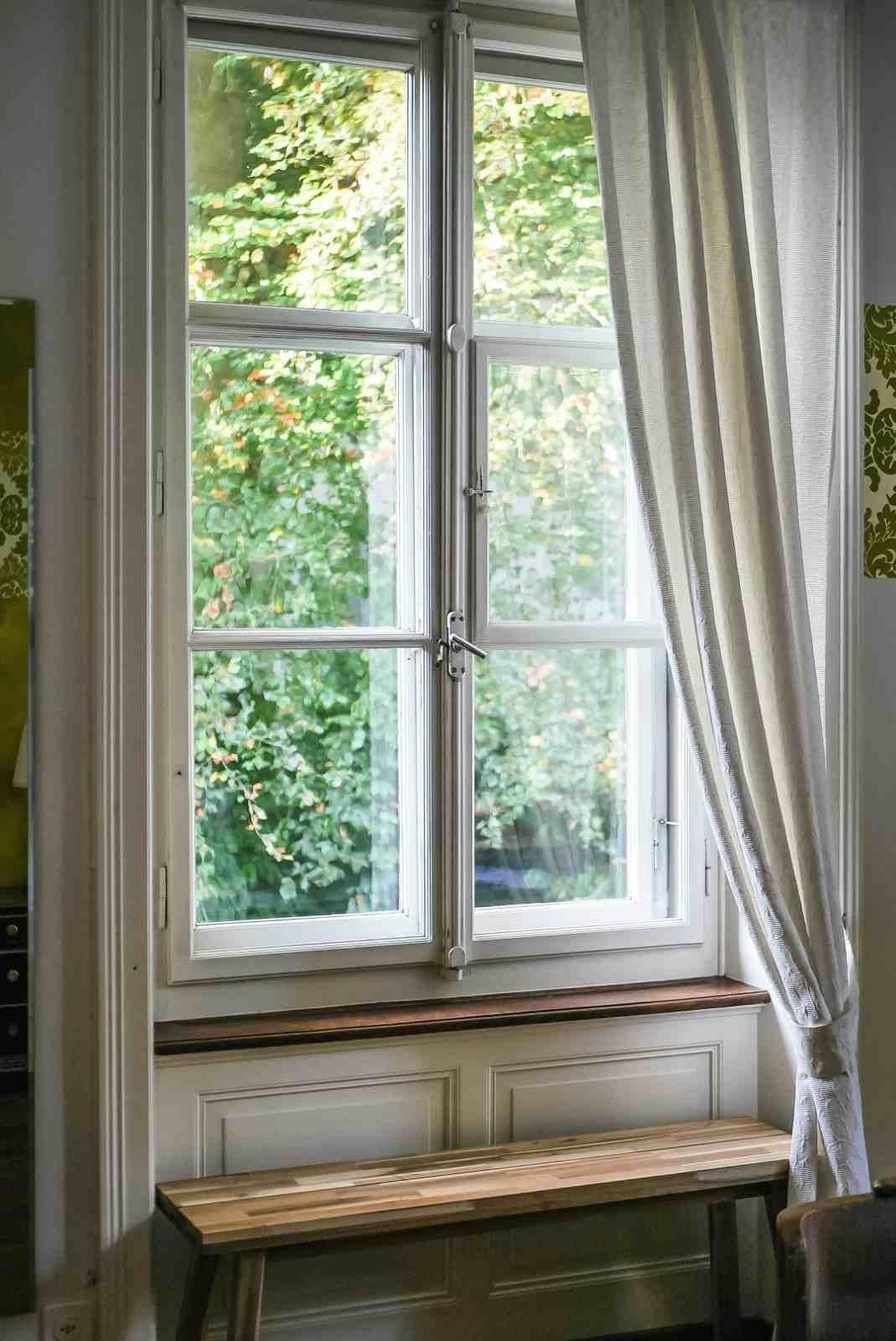
A comfortable bedroom depends on more than attractive furniture, coordinated colors, and a well-designed layout. The way natural and artificial light enters the room can also influence how relaxing and functional the space feels. Windows that allow excessive sunlight, expose the interior to neighboring properties, or let outdoor lighting disturb the room can make it difficult to create a comfortable sleeping environment.
For homeowners and apartment residents in Washington, DC, choosing suitable bedroom window coverings requires balancing appearance, privacy, and everyday functionality. Different window styles, room layouts, and lighting conditions can influence which solution works best.
Bedroom blinds are particularly useful when controlling unwanted light is a priority. However, selecting the right option involves considering more than simply choosing a dark-colored material.
Why Bedroom Windows Require Special Attention
Bedrooms serve a different purpose from dining rooms and living rooms. While shared spaces often benefit from natural daylight and an open atmosphere, bedrooms generally require greater control over incoming light and visibility.
A bedroom facing a nearby building may need additional privacy, particularly when windows are positioned close to neighboring apartments. Street-facing bedrooms can also experience unwanted illumination from streetlights, passing vehicles, and nearby commercial properties.
Morning sunlight creates another consideration. Windows receiving direct sunlight can become excessively bright early in the day, which may be inconvenient for people who work different schedules or prefer a darker sleeping environment.
These concerns make window covering selection an important part of bedroom planning. A suitable treatment should address the room's actual requirements rather than being selected entirely for decorative purposes.
What Makes Blackout Blinds Different?
Blackout blinds are designed to block a substantial amount of incoming light through their opaque materials and appropriate installation.
Unlike standard light-filtering blinds, which soften sunlight while allowing some illumination to pass through, blackout options are intended for spaces where darkness is more important.
Their usefulness depends on several factors:
-
Material opacity: Dense materials prevent much of the sunlight from passing through the covering.
-
Window coverage: Correct dimensions help minimize uncovered areas around the edges.
-
Mounting position: Inside or outside mounting can influence how much light enters around the window.
-
Operating mechanism: The lifting system should allow convenient everyday adjustments.
-
Room appearance: Colors, textures, and finishes should complement the existing bedroom design.
It is important to understand that blackout fabric does not automatically guarantee complete darkness. Light may still enter through gaps around the sides, top, or bottom of an improperly fitted treatment.
How to Choose the Right Option for Different Bedroom Windows
Not every bedroom has the same window configuration. A small apartment bedroom, a spacious primary suite, and a guest bedroom may require different solutions.
Standard Residential Windows
Standard rectangular windows generally provide flexibility when selecting blinds. Homeowners can consider different fabric colors, mounting arrangements, and operating systems.
For rooms where darkness is a priority, opaque materials are worth considering. Neutral shades can also maintain a balanced appearance without making the bedroom feel visually crowded.
Large Bedroom Windows
Large windows introduce additional considerations because their dimensions can make light control more challenging.
A properly measured covering should accommodate the entire opening while remaining practical to operate. Wider windows may benefit from carefully selected systems that provide smooth operation and consistent coverage.
Homeowners should also consider how the treatment looks when fully raised. Maintaining a clear view and allowing natural light into the bedroom during the day may be equally important.
Street-Facing Apartment Windows
Privacy becomes especially important when bedroom windows face sidewalks, busy streets, or nearby residential buildings.
A suitable covering should allow residents to control visibility without making the room unnecessarily dark throughout the day.
Layering can also be considered. For example, a blackout blind can provide nighttime coverage while decorative curtains add softness and visual interest.
How Do Blackout Blinds Fit Into a Complete Window Treatment Plan?
A bedroom should feel connected to the overall design of the home. Selecting window coverings independently for every room can sometimes create an inconsistent appearance, particularly when several spaces are visible from the same hallway or open living area.
This is where broader Window Treatments in Washington, DC planning becomes useful. Instead of choosing coverings based only on individual product features, homeowners can consider how different treatments work together throughout the property.
For example, a bedroom may benefit from opaque blinds, while a living room may require softer light-filtering shades that preserve daylight. A dining room might look better with decorative curtains or a combination of fabric shades and drapery.
The objective is not to install identical products everywhere. It is to create a coordinated interior where every room receives a treatment suited to its function.
When considering Blackout Blinds in Washington, DC, homeowners should evaluate the bedroom's specific light exposure, privacy requirements, window dimensions, and existing décor before deciding on a particular solution.
Important Measurements Before Selecting Bedroom Blinds
Incorrect measurements can affect both the appearance and performance of a window covering. Even an attractive product may disappoint if it leaves substantial uncovered spaces or interferes with nearby furniture.
Before selecting blinds, consider the following measurements and installation details.
Measure the Window Opening
Record the width and height at multiple points rather than assuming every part of the window is perfectly uniform.
For inside-mounted treatments, available frame depth is also important. The selected product must fit without interfering with handles, locks, or other window components.
Consider Inside and Outside Mounting
Inside mounting creates a clean, integrated appearance because the treatment sits within the window frame.
Outside mounting may provide better coverage when the frame does not offer enough depth or when minimizing light gaps is a priority.
The most suitable arrangement depends on the window structure and the desired appearance.
Check Nearby Furniture and Obstacles
Beds, headboards, bedside tables, and decorative accessories can affect how easily a blind operates.
Consider whether the covering can be raised and lowered without obstruction. Also check whether the selected installation position interferes with window access.
Choosing Colors, Textures, and Materials
Functionality is important, but bedroom blinds should also complement the surrounding interior.
Light neutral colors can help maintain an airy appearance, while darker tones may create a more dramatic design. The best choice depends on wall colors, flooring, bedding, furniture, and the amount of natural light available.
Texture is another consideration. A simple fabric finish may suit a contemporary bedroom, while a more decorative material can complement traditional furnishings.
Homeowners should also think about maintenance. Bedroom coverings collect ordinary household dust, so selecting materials that can be cleaned according to their care requirements makes ongoing upkeep easier.
The goal is to choose a practical covering that remains visually appropriate as the room's furnishings and decorative preferences change.
Should You Consider Layered Bedroom Window Coverings?
Layering can provide additional flexibility when one window treatment cannot satisfy every requirement.
For example, blackout blinds can manage incoming light, while decorative curtains provide another design element. Depending on the fabric and arrangement, the curtain layer can also contribute to a softer appearance around the window.
This approach is useful for homeowners who want a bedroom to feel comfortable rather than overly functional or plain.
Layered treatments can also help coordinate bedroom windows with nearby living spaces. Using complementary colors, related textures, and consistent hardware finishes creates visual continuity without requiring every room to use identical products.
However, layering should be planned around available window space. Excessively heavy materials or poorly positioned hardware can make smaller bedrooms feel crowded.
When Is Professional Window Treatment Guidance Worth Considering?
Some window projects are straightforward, but others involve unusual dimensions, limited mounting depth, difficult access, or several different window styles throughout the home.
Professional guidance can help homeowners evaluate these conditions before selecting products.
A consultation can involve reviewing window measurements, discussing privacy preferences, comparing material options, and determining which operating systems suit the room.
It can also help establish a consistent design approach across bedrooms, dining rooms, and living rooms.
For Washington, DC properties with distinctive window frames or layouts, considering the actual architecture before choosing a product can help avoid unsuitable purchases and installation complications.
Create a More Comfortable and Functional Bedroom
Choosing bedroom window coverings is ultimately about finding the right balance between light management, privacy, appearance, and everyday convenience.
Blackout materials can be useful when unwanted illumination interferes with a bedroom's intended purpose. However, the best results depend on accurate measurements, appropriate mounting, suitable materials, and a design that complements the surrounding interior.
Washington, DC homeowners can make more informed decisions by evaluating each window individually and considering how bedroom treatments relate to the rest of the home.
With thoughtful planning, bedroom blinds can become more than a basic covering. They can contribute to a comfortable sleeping environment while supporting a cohesive and attractive interior design.
- Managerial Effectiveness!
- Future and Predictions
- Motivatinal / Inspiring
- Fitness and Wellness
- Medical & Health
- Manufacturing
- Education
- Real-Estate
- Food Industry
- Hospitality
- Online Games
- Sports
- Home Services
- Civil Engineering
- Safety and Protection
- Software Products & Services
- Fashion and Jewellery
- Artificial Intelligence
- Entrepreneurship
- Mentoring & Guidance
- Marketing
- Networking
- HR & Recruiting
- Literature
- Shopping
- Career Management & Advancement