

 SkillClick
How Can Pool Weekly Service in Midlothian, TX Keep Your Swimming Pool Ready for Every Season?
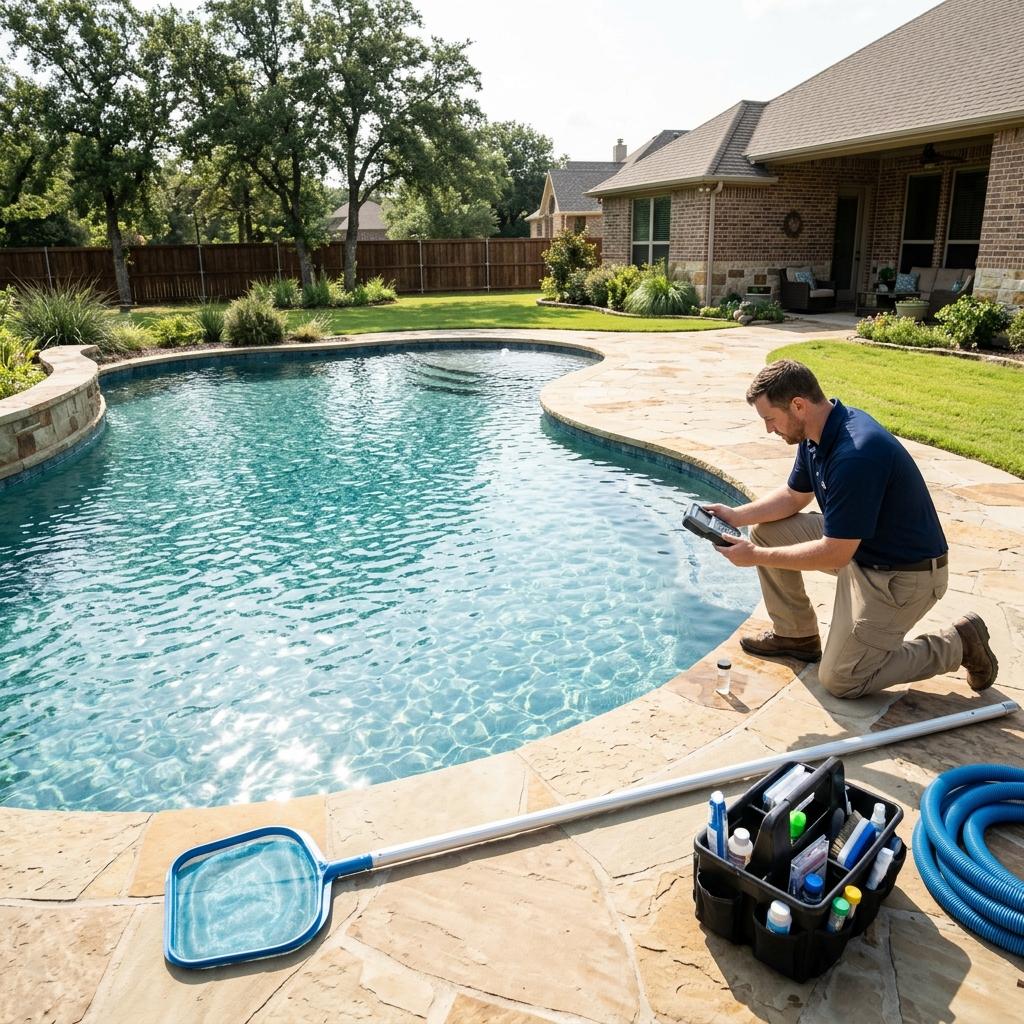
A swimming pool can be one of the most enjoyable features of a home, especially during the warmer months in Texas. However, keeping the water clean, balanced, and comfortable requires more than occasional skimming or adding chlorine when the water starts looking cloudy. Regular maintenance helps protect water quality, supports proper equipment operation, and makes swimming more enjoyable throughout the year.
For homeowners in Midlothian, maintaining a swimming pool can present several challenges. High temperatures, windblown debris, changing weather conditions, and frequent use can all affect water quality. Without a consistent maintenance routine, small problems may gradually develop into more complicated cleaning or equipment issues.
Establishing a dependable weekly maintenance schedule is one practical way to manage these responsibilities. Understanding what regular pool care involves can help property owners make better decisions about maintaining their swimming environments.
Why Is Consistent Swimming Pool Maintenance Important?
Swimming pools require ongoing attention because several factors influence water quality simultaneously. Sunlight can affect chlorine levels, while leaves, insects, dust, and other organic materials introduce contaminants into the water. Swimmers also contribute oils, perspiration, and other substances that can interfere with water balance.
When maintenance is postponed, these conditions can create an environment where algae develops, surfaces become slippery, and water clarity deteriorates. The filtration system may also experience additional strain as debris accumulates in baskets and filters.
A consistent maintenance routine addresses these issues before they become more difficult to manage. Regular inspections and cleaning help identify developing problems early, allowing appropriate corrective measures to be taken.
For many homeowners, Comprehensive Pool Care Services in Midlothian, TX provide a useful approach to managing different aspects of pool ownership, including water chemistry, physical cleaning, circulation, and equipment condition.
What Should a Weekly Pool Maintenance Routine Include?
Effective pool maintenance involves several interconnected tasks. Cleaning the visible surfaces is important, but maintaining healthy water also requires attention to circulation, filtration, and chemical balance.
1. Removing Floating Debris and Surface Contaminants
Leaves, insects, pollen, and other airborne materials can collect on the water surface. If these materials remain in the pool, they may eventually sink, making cleaning more difficult.
Skimming the water regularly removes floating debris before it reaches the bottom. Emptying skimmer baskets also helps maintain proper water movement and prevents unnecessary obstructions.
This task is particularly relevant in outdoor swimming pools surrounded by trees, landscaping, or open spaces where wind can carry organic material into the water.
2. Brushing Pool Walls, Steps, and Corners
Automatic cleaners can collect many types of debris, but they may not adequately reach every surface. Pool walls, steps, benches, corners, and waterline areas can accumulate dirt and microscopic organic material.
Brushing these surfaces helps loosen buildup so that filtration and sanitizing processes can work more effectively. The appropriate brush should match the pool's surface material to avoid unnecessary scratching or damage.
Regular brushing also helps prevent stubborn deposits from developing in areas where water circulation is limited.
3. Vacuuming Dirt and Sediment
Fine dust, sand, leaves, and other particles can settle on the pool floor. Even when the water appears relatively clear, sediment may remain underneath the surface.
Vacuuming removes this accumulated material and improves overall cleanliness. Depending on the pool's condition and equipment, maintenance may involve manual vacuuming or an appropriate automatic cleaning system.
Paying attention to corners, floor transitions, and steps helps prevent debris from collecting in areas that ordinary circulation may not reach.
How Does Water Chemistry Affect Pool Maintenance?
Physical cleaning is only one part of keeping a swimming pool in good condition. Water chemistry also plays an important role in maintaining a comfortable and properly sanitized swimming environment.
Maintaining Appropriate Chlorine Levels
Chlorine helps control microorganisms and supports pool sanitation. However, sunlight, temperature, swimmer activity, and organic contaminants can influence how quickly sanitizer levels change.
Testing the water regularly helps determine whether chlorine adjustments are necessary. Adding chemicals without testing can create imbalances, so measurements should guide treatment decisions.
Monitoring pH and Total Alkalinity
pH influences how pool water interacts with sanitizing chemicals and swimming pool surfaces. Water that is excessively acidic or alkaline can contribute to maintenance problems and discomfort.
Total alkalinity helps stabilize pH and reduce sudden fluctuations. Monitoring both measurements provides a more complete understanding of water conditions.
Checking Calcium Hardness
Calcium hardness is another important consideration, particularly in areas where mineral content in the water can contribute to scale formation.
Improper calcium levels may increase the likelihood of deposits or surface-related problems. Regular testing allows pool owners and maintenance professionals to identify imbalances before they become more difficult to address.
When Should Homeowners Consider Professional Weekly Pool Care?
Some homeowners prefer to manage basic pool cleaning themselves. However, regular maintenance can become time-consuming when it involves several cleaning tasks, chemical measurements, equipment inspections, and seasonal adjustments.
A professional maintenance routine can help organize these responsibilities into a consistent schedule.
Homeowners looking for Pool Weekly Service in Midlothian, TX can consider a service arrangement that addresses recurring cleaning, water testing, chemical balancing, and equipment-related maintenance.
The right maintenance plan should reflect the pool's size, usage patterns, surrounding environment, and equipment requirements. A pool used frequently by several family members may require different attention than one used occasionally.
Consistency is particularly valuable because routine visits make it easier to identify changes in water clarity, circulation, and equipment performance.
What Problems Can Develop When Pool Maintenance Is Delayed?
Skipping maintenance occasionally may not create an immediate problem, but repeated delays can make pool ownership more challenging.
Algae Growth and Cloudy Water
Algae can develop when sanitation and circulation are inadequate. Depending on the severity, restoring water clarity may require additional testing, chemical treatment, brushing, filtration, and debris removal.
Green water should not automatically be treated as a simple cleaning issue. The underlying conditions should be assessed before choosing an appropriate treatment method.
Blocked Baskets and Reduced Circulation
Leaves and other debris can accumulate inside skimmer and pump baskets. Excessive buildup can restrict water movement and place additional demands on the circulation system.
Regular basket cleaning helps maintain a more consistent flow through the filtration equipment.
Mineral Deposits on Pool Tiles
Evaporation can leave minerals behind along the waterline. Over time, these deposits may form noticeable white or chalky marks.
Routine cleaning and appropriate water management can help limit accumulation. Existing calcium deposits may require specialized cleaning methods suited to the particular tile material.
Increased Equipment Maintenance Needs
Pumps, filters, valves, and chlorination equipment all contribute to normal pool operation. Unusual noises, pressure changes, leaks, or inconsistent circulation may indicate developing problems.
Regular inspections provide an opportunity to identify these warning signs and determine whether further attention is necessary.
How Can Midlothian Weather Influence Pool Care?
Outdoor pools in Midlothian experience changing environmental conditions throughout the year. Summer heat increases evaporation and can influence sanitizer consumption. Wind and seasonal storms introduce leaves, dirt, and other contaminants.
Cooler weather also changes pool usage and maintenance requirements. Although swimming activity may decrease during certain months, water quality and equipment conditions still deserve attention.
A seasonal maintenance approach should account for these differences rather than treating every month identically.
During warmer periods, homeowners may need closer attention to water testing, debris removal, and circulation. Following storms, checking baskets, water clarity, and equipment operation can help identify problems caused by incoming debris.
During colder conditions, appropriate precautions can help protect plumbing, pumps, and other vulnerable equipment from temperature-related damage.
How Can Homeowners Choose a Suitable Weekly Maintenance Schedule?
The best maintenance schedule depends on several practical considerations.
First, consider how frequently the swimming pool is used. Greater swimmer activity generally introduces more contaminants and may increase cleaning requirements.
Second, evaluate the surrounding environment. Pools located near trees, gardens, or dusty outdoor areas may collect debris more frequently than pools in sheltered locations.
Third, consider the pool's filtration and sanitation systems. Different systems have different operating and maintenance requirements, so a suitable routine should account for the equipment already installed.
Finally, pay attention to recurring problems. Frequent algae development, cloudy water, mineral deposits, or inconsistent circulation may indicate that the existing maintenance approach needs adjustment.
Homeowners should also keep basic records of water testing, chemical adjustments, cleaning activities, and equipment observations. These records make it easier to recognize recurring issues and understand how pool conditions change over time.
Make Regular Pool Maintenance Part of Responsible Pool Ownership
A clean swimming pool requires ongoing attention to more than its appearance. Water chemistry, physical cleaning, circulation, filtration, and equipment condition all contribute to maintaining a suitable swimming environment.
For Midlothian homeowners, a structured weekly maintenance routine can reduce the burden of managing these responsibilities independently. It also provides a practical opportunity to identify developing issues before they require more extensive attention.
By understanding the essential elements of pool maintenance and choosing a schedule that reflects actual usage and environmental conditions, property owners can make pool care more manageable throughout the year. Consistent attention helps preserve the enjoyment of swimming while supporting the long-term condition of the pool and its equipment.
More details are available at: Local Business Directory
- Managerial Effectiveness!
- Future and Predictions
- Motivatinal / Inspiring
- Fitness and Wellness
- Medical & Health
- Manufacturing
- EĞİTİM BİLGİLERİ
- Real-Estate
- Food Industry
- Hospitality
- Online Games
- Sports
- Home Services
- Civil Engineering
- Safety and Protection
- Software Products & Services
- Fashion and Jewellery
- Artificial Intelligence
- Entrepreneurship
- Mentoring & Guidance
- Marketing
- Networking
- HR & Recruiting
- Literature
- Shopping
- Career Management & Advancement