

 SkillClick
What Happens to Business Data When It Is No Longer Needed? Understanding the Hidden Value of Information Lifecycle Management
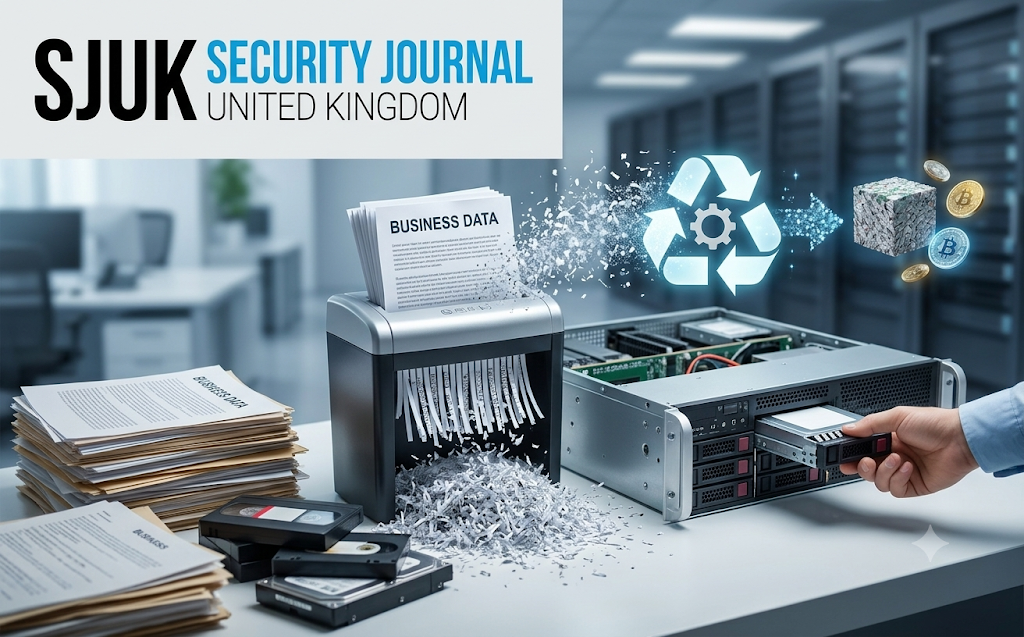
Businesses often concentrate on protecting information while it is actively being used. They invest in cybersecurity systems, access controls and storage infrastructure to safeguard important digital records. However, one important question frequently receives less attention: what happens when business information is no longer required?
Outdated documents, completed project records, old customer files and temporary digital records can remain stored long after their original purpose has disappeared. Although retaining information may appear harmless, unnecessary records can create privacy concerns, increase storage expenses and expand the amount of data exposed during a security incident.
This makes information lifecycle management an important part of responsible business information governance. It encourages organisations to consider the entire existence of their information, including the final stage when records must be archived or securely disposed of.
Why Outdated Information Creates Hidden Risks
Information does not automatically become harmless when it loses its operational value.
Historical customer records may still contain personal details, financial information or confidential communications. Old employee documents might include sensitive employment information, while previous project files could reveal internal processes and commercial strategies.
If these records remain accessible without appropriate controls, they can become potential targets for unauthorised access.
Another challenge is that businesses may not know exactly where outdated information is stored. Records can remain across shared drives, cloud platforms, backup environments and individual devices.
This makes it difficult to identify unnecessary information and establish consistent disposal procedures.
Understanding the Final Stages of the Data Lifecycle
A structured information lifecycle management strategy recognises that information eventually reaches a point where it no longer needs to remain in active storage.
Before disposal, organisations should determine whether records must be retained for legal, regulatory, contractual or operational reasons.
Some documents may need to be preserved for several years, while others can be removed once their original purpose has been completed.
This requires clear information retention schedules that define the appropriate period for different record categories.
Businesses should also establish approval procedures to ensure that important information is not accidentally deleted.
The final stages of the data lifecycle should therefore involve reviewing retention requirements, identifying eligible records, authorising disposal and maintaining appropriate evidence of completed actions.
The Importance of Data Classification
Data classification helps businesses understand the sensitivity and importance of their information.
Without classification, organisations may struggle to determine which records require stronger protection or which information can be safely disposed of.
A practical classification framework can divide information into categories such as public, internal, confidential and highly restricted.
Each category should have clearly defined access permissions, storage requirements and retention rules.
For example, publicly available documents may require relatively limited controls, while confidential financial or personal records may need encryption and restricted access.
Classification also supports information lifecycle management by helping businesses apply different handling procedures throughout the existence of each record.
Secure Data Disposal and Information Protection
Deleting an ordinary file does not always mean that the underlying information has been permanently removed.
Depending on the storage environment, deleted records may remain recoverable through temporary storage areas, backup systems or other technical processes.
Businesses handling sensitive information should therefore introduce secure data disposal procedures that reflect the technology being used.
Depending on the circumstances, appropriate measures may include secure erasure, cryptographic erasure or physical destruction of storage media.
The selected method should consider the sensitivity of the information, the storage technology and applicable requirements.
It is also important to verify that disposal procedures cover relevant copies and replicas rather than focusing only on the primary storage location.
Managing Data Retention and Regulatory Responsibilities
Information retention is not simply a matter of choosing how long to keep records. Businesses must consider the legal and regulatory obligations that apply to their operations.
Certain records may need to remain available for financial reporting, contractual responsibilities, employment matters or legal proceedings.
At the same time, retaining personal information indefinitely can create unnecessary privacy risks.
Organisations should establish retention policies that balance these responsibilities. The policies should identify record categories, retention periods, responsible departments and approved disposal methods.
Regular reviews help ensure that retention schedules remain aligned with changing operational and regulatory requirements.
A well-structured information lifecycle management framework makes these responsibilities easier to monitor and document.
Preventing Information Exposure Through Better Governance
Effective information governance connects policies with everyday business activities.
Employees should understand which records they can access, where information should be stored and how unnecessary documents should be handled.
Businesses can strengthen governance through role-based access controls, regular permission reviews and monitoring of sensitive information.
They should also maintain clear procedures for responding to disposal requests and identifying records that must be preserved during legal or regulatory investigations.
Automation can support these activities by identifying outdated files, highlighting approaching retention deadlines and generating disposal notifications.
However, automated deletion should always operate within approved policies and appropriate oversight.
Building a Responsible Data Disposal Strategy
A practical disposal strategy begins with identifying information that has reached the end of its approved retention period.
Businesses should review records against established schedules and confirm that no legal hold or continuing operational requirement prevents disposal.
The next step involves selecting an appropriate destruction method. Sensitive digital records may require verified erasure, while obsolete physical storage devices may need specialist destruction procedures.
Organisations should maintain disposal logs that record relevant details, including the information category, approval and completion date.
These records can provide evidence that information has been handled according to established governance requirements.
By incorporating secure disposal into information lifecycle management, businesses can reduce unnecessary data exposure while maintaining accountability.
Why Responsible Information Management Matters
Responsible information handling supports more than cybersecurity. It also demonstrates that an organisation understands the value, sensitivity and limitations of the information it collects.
As digital records continue expanding, businesses must recognise that storing everything indefinitely is neither practical nor necessarily responsible.
The wider security discussions covered by Security Journal UK highlight the importance of treating information as an asset that requires continuous oversight.
Organisations that establish clear retention and disposal practices can reduce storage complexity, improve privacy protection and strengthen their overall governance framework.
Conclusion
The end of an information record's useful life should not be overlooked. Outdated and unnecessary information can create security vulnerabilities, regulatory complications and additional storage responsibilities when it remains unmanaged.
Through information lifecycle management, businesses can establish clear processes for reviewing, retaining, archiving and securely disposing of information. Responsible disposal ensures that records are maintained when necessary and removed when there is no longer a valid reason to keep them.
Frequently Asked Questions
1. What happens when business data is no longer needed?
It should be reviewed against retention requirements and either archived for future reference or securely disposed of when retention is no longer necessary.
2. What is secure data disposal?
Secure data disposal involves removing information in a way that prevents unauthorised recovery or access, using methods appropriate to the storage technology.
3. Why are data retention policies important?
They establish how long different records should be maintained and help businesses balance legal obligations, operational needs and privacy responsibilities.
4. What is the difference between data deletion and secure data destruction?
Ordinary deletion may leave recoverable information behind, whereas secure destruction uses appropriate methods to make the information inaccessible or irretrievable.
5. How can businesses manage outdated information effectively?
They can introduce data classification, retention schedules, regular audits, disposal approvals and verified destruction procedures.
- Managerial Effectiveness!
- Future and Predictions
- Motivatinal / Inspiring
- Fitness and Wellness
- Medical & Health
- Manufacturing
- Education
- Real-Estate
- Food Industry
- Hospitality
- Online Games
- Sports
- Home Services
- Civil Engineering
- Safety and Protection
- Software Products & Services
- Fashion and Jewellery
- Artificial Intelligence
- Entrepreneurship
- Mentoring & Guidance
- Marketing
- Networking
- HR & Recruiting
- Literature
- Shopping
- Career Management & Advancement