

 SkillClick
# What Are the Benefits of Professional Sod Installation in Alpharetta, GA for a Healthy, Beautiful Lawn?
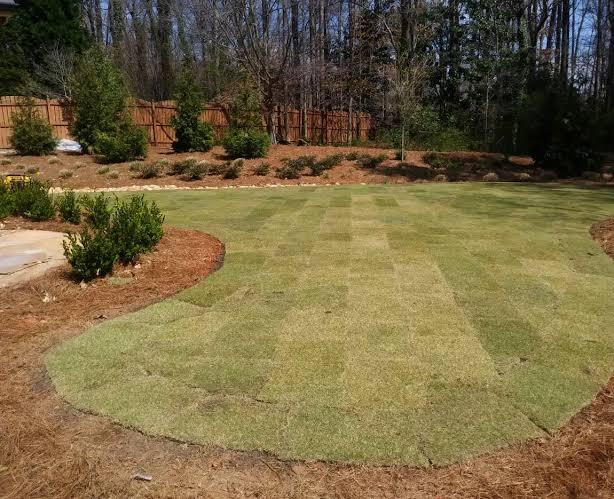
A healthy, green lawn can improve the appearance, functionality, and overall value of a residential or commercial property. However, achieving a beautiful lawn requires more than simply placing grass over bare soil. Proper ground preparation, suitable grass selection, accurate measurements, and consistent watering all contribute to successful results. Professional Sod Installation Alpharetta GA is an effective way to establish an attractive lawn without waiting months for grass seeds to grow.
Sod provides an established layer of grass with roots and soil attached, making it a practical option for homeowners, property managers, and business owners who want faster lawn coverage. Whether installing grass in a newly constructed property, replacing damaged turf, or improving an existing outdoor space, understanding the installation process helps property owners make informed decisions.
In Alpharetta, Georgia, lawn installation should account for seasonal temperatures, rainfall, soil conditions, sunlight exposure, and drainage. Selecting suitable grass varieties and preparing the ground correctly can help sod establish strong roots and remain healthy.
This guide explains the installation process step by step, compares residential and commercial projects, discusses different sod options, and highlights important maintenance practices.
What Is Professional Sod Installation in Alpharetta GA?
Professional Sod Installation in Alpharetta GA involves preparing the ground, selecting appropriate turf, placing grass sections, and following proper watering and establishment procedures.
Unlike traditional seeding, sod installation provides an immediate layer of established grass. Each sod piece contains grass blades, roots, and a thin layer of soil that helps it connect with the prepared ground.
Professional installation generally includes:
- Evaluating existing soil and lawn conditions.
- Removing weeds, old grass, and unwanted vegetation.
- Preparing and leveling the installation area.
- Selecting suitable grass varieties.
- Installing sod pieces with properly aligned edges.
- Watering the newly installed lawn.
- Providing maintenance recommendations.
The quality of preparation is particularly important because even premium sod can struggle when installed over compacted, uneven, or poorly drained soil.
Why Do Property Owners Choose New Sod Installation Alpharetta GA?
New Sod Installation Alpharetta GA is a practical option for properties that need immediate lawn coverage. It can also help address problems associated with bare soil, patchy grass, and damaged outdoor areas.
Some important benefits include:
1. Immediate Lawn Appearance
One of the biggest advantages of sod is its immediate visual impact. Instead of waiting for grass seed to germinate and fill empty spaces, property owners receive an established layer of green grass.
2. Faster Ground Coverage
Sod covers exposed soil quickly, helping reduce erosion and limiting the amount of bare ground exposed to rainfall.
3. More Consistent Grass Coverage
Properly installed sod creates a relatively uniform lawn. This can be especially useful when replacing an old lawn with thin, uneven, or damaged grass.
4. Reduced Initial Weed Competition
Established sod can help limit open spaces where weeds might otherwise grow. However, it does not eliminate weeds completely, so regular lawn maintenance remains necessary.
5. Improved Outdoor Functionality
A properly established lawn creates a more comfortable outdoor environment for walking, recreation, landscaping, and everyday property use.
Step-by-Step Process for Expert Sod Installation Services Alpharetta GA
Understanding each installation stage helps property owners evaluate the quality of the work and prepare their outdoor spaces.
Step 1: Evaluate the Property and Lawn Conditions
The first step is examining the installation area. A proper evaluation helps identify conditions that could affect grass growth.
Important factors include:
- Total lawn measurements.
- Existing grass and weed conditions.
- Soil texture and compaction.
- Sunlight exposure throughout the day.
- Drainage patterns and low spots.
- Slopes and uneven ground.
For example, an area receiving direct sunlight most of the day may require a different grass variety than a shaded backyard beneath mature trees.
Step 2: Select the Appropriate Grass Variety
Choosing suitable grass is essential for long-term lawn health. Different turf varieties have different sunlight, watering, maintenance, and temperature requirements.
Common warm-season grasses used in Georgia include:
|
Grass Variety |
Main Characteristics |
Suitable Conditions |
|
Bermuda Grass |
Dense growth and good wear tolerance |
Sunny lawns |
|
Zoysia Grass |
Dense appearance and moderate shade tolerance |
Residential and commercial landscapes |
|
Centipede Grass |
Relatively low-maintenance growth |
Suitable acidic soils and moderate maintenance needs |
|
St. Augustine Grass |
Broad blades and better shade tolerance than Bermuda |
Warmer, suitable locations with partial shade |
The best selection depends on the specific property. Soil conditions, shade, intended lawn use, and maintenance expectations should all be considered.
Step 3: Remove Existing Grass and Weeds
Before installing new turf, the existing vegetation should be removed where necessary.
This process may include:
- Removing old grass and dead vegetation.
- Eliminating unwanted weeds.
- Clearing rocks, roots, and debris.
- Removing unsuitable organic material.
- Preparing a clean surface for soil improvement.
Skipping this step can create uneven growth and interfere with proper root establishment.
Step 4: Prepare and Improve the Soil
Soil preparation is one of the most important stages of professional installation.
The ground may need loosening, grading, and amendments depending on its condition. Compacted soil can prevent roots from spreading, while poorly drained soil may cause water to accumulate beneath the sod.
A proper preparation process may involve:
- Loosening compacted soil.
- Adding suitable topsoil or organic amendments when needed.
- Adjusting soil grading.
- Addressing drainage concerns.
- Creating a consistent planting surface.
A soil test can also help determine whether pH adjustments or specific nutrients are necessary.
Step 5: Measure and Level the Installation Area
Accurate measurements help determine how much sod is required.
The installer calculates the lawn's square footage and accounts for irregular shapes, curves, and reasonable material allowances.
Leveling is equally important. Low areas can collect water, while high spots may dry out more quickly.
The finished surface should have a smooth, consistent grade that directs water away from buildings and other vulnerable structures.
Step 6: Install the Sod Properly
Once the ground is ready, the sod can be placed.
Important installation practices include:
- Begin laying sod along a straight edge.
- Position each section tightly against the previous piece.
- Stagger seams like bricks to avoid continuous joints.
- Avoid stretching or overlapping sod pieces.
- Cut sections carefully around trees, pathways, and landscape features.
- Keep the sod evenly positioned against the prepared soil.
The roots should have good contact with the underlying soil. Large gaps between pieces can dry out and create visible lines in the finished lawn.
Step 7: Water the Newly Installed Lawn
New sod needs consistent moisture while its roots establish contact with the soil.
Initial watering should thoroughly moisten the sod and the soil underneath it. During the establishment period, watering frequency should be adjusted according to weather, soil drainage, and grass conditions.
Avoid allowing newly installed sod to dry out completely. At the same time, excessive watering can create soggy soil and increase the risk of root problems.
Step 8: Monitor Root Establishment and Begin Maintenance
After installation, the lawn needs regular observation.
Property owners should check whether:
- Sod sections remain moist.
- Edges are not curling or drying.
- Roots are connecting with the soil.
- Water is draining properly.
- Grass color and growth remain consistent.
Once the sod is firmly rooted, mowing can begin when the grass reaches an appropriate height for its variety. Avoid removing too much grass during the first mowing.
Residential Sod Installation Alpharetta GA vs. Commercial Sod Installation Alpharetta GA
Residential and commercial projects may use similar installation techniques, but their planning requirements can differ considerably.
Residential Sod Installation Alpharetta GA generally focuses on creating attractive, comfortable outdoor spaces for households. Commercial Sod Installation Alpharetta GA often involves larger areas, higher foot traffic, and specific property management requirements.
|
Comparison Factor |
Residential Sod Installation |
Commercial Sod Installation |
|
Project Size |
Small to medium lawns |
Medium to large properties |
|
Main Purpose |
Home appearance and outdoor enjoyment |
Professional property appearance and usability |
|
Grass Selection |
Based on household needs and yard conditions |
Based on traffic, sunlight, and maintenance requirements |
|
Installation Planning |
Backyard, front yard, and garden areas |
Business grounds, entrances, and common areas |
|
Maintenance |
Homeowner-managed or professional care |
Often scheduled property maintenance |
|
Traffic Requirements |
Typical household activity |
Potentially heavier pedestrian activity |
Both types of projects require proper preparation, appropriate grass selection, and consistent establishment care.
How to Find Affordable Sod Installation Alpharetta GA Without Compromising Quality
Affordable Sod Installation Alpharetta GA does not necessarily mean choosing the lowest installation price. A better approach is to evaluate the overall value of the project.
Several factors influence sod installation costs:
1. Lawn Size: Larger areas generally require more sod, labor, transportation, and preparation.
2. Soil Condition: Compacted soil, weeds, uneven surfaces, and drainage problems may increase preparation requirements.
3. Grass Variety: Different grass varieties have different material costs and availability.
4. Site Accessibility: Difficult access can make transporting and placing sod more time-consuming.
5. Additional Services: Grading, soil amendments, old lawn removal, and drainage improvements may affect the overall estimate.
Before selecting an installer, property owners should request a detailed estimate that explains material quantities, preparation work, installation, and any additional services.
Common Sod Installation Mistakes to Avoid
Even good-quality sod can fail when installation or maintenance is handled incorrectly.
Some common mistakes include:
- Skipping soil preparation: Poor soil conditions can prevent roots from establishing.
- Installing unsuitable grass: A shade-sensitive variety may struggle in areas with limited sunlight.
- Leaving gaps between sod pieces: Open seams can dry out and affect lawn appearance.
- Ignoring drainage: Standing water can damage roots and create unhealthy growing conditions.
- Insufficient watering: Dry sod may fail to establish properly.
- Mowing too early: Cutting before roots establish can disturb the new lawn.
- Heavy foot traffic: Walking repeatedly over fresh sod can disrupt root-to-soil contact.
Avoiding these problems improves the chances of successful establishment.
When Is the Best Time for Sod Installation in Alpharetta, GA?
The ideal installation period depends on the grass variety.
Warm-season grasses such as Bermuda and Zoysia generally establish best during active growing periods when soil temperatures are sufficiently warm.
Spring through early summer is often a suitable period for installing warm-season turf in Alpharetta. Early fall may also work depending on the grass variety, local weather, and remaining growing season.
Extreme heat, drought, frozen ground, and excessively wet soil can make installation more challenging.
Property owners should consider the following before scheduling:
- Soil moisture and temperature.
- Expected rainfall.
- Upcoming temperature changes.
- Grass variety requirements.
- Availability of consistent irrigation.
Choosing an appropriate installation window gives new turf a better opportunity to establish healthy roots.
How to Maintain a Newly Installed Sod Lawn
Installation is only the beginning. Regular maintenance helps protect the investment and maintain a healthy appearance.
|
Maintenance Activity |
Recommended Approach |
Main Purpose |
|
Watering |
Keep soil consistently moist during establishment |
Encourage root growth |
|
Mowing |
Wait until roots establish and follow grass-specific height guidance |
Maintain healthy growth |
|
Fertilizing |
Follow soil test results and grass requirements |
Support appropriate nutrition |
|
Weed Control |
Monitor weeds and use suitable treatments |
Protect turf quality |
|
Drainage Checks |
Watch for standing water |
Prevent root problems |
|
Lawn Inspection |
Check for dry patches and uneven growth |
Identify problems early |
After establishment, watering can gradually transition toward a deeper, less frequent schedule based on rainfall, soil type, and grass requirements.
How to Choose the Right Sod Installation Professional
Selecting an experienced installer is important for achieving a consistent result.
Before hiring a service provider, consider these factors:
- Installation Experience: Ask about experience with the grass varieties suitable for your property.
- Preparation Process: Confirm that soil preparation and grading are included in the proposed work.
- Material Quality: Ask about sod freshness, grass variety, and material sourcing.
- Project Estimate: Request a clear breakdown of labor, materials, and additional services.
- Maintenance Guidance: Choose a provider who explains watering and establishment requirements.
- Project Planning: Make sure the installation schedule accounts for property conditions and weather.
A professional approach should address the entire installation process rather than focusing only on laying grass.
Frequently Asked Questions
1. How long does professional sod installation take?
The installation time depends on lawn size, soil conditions, accessibility, and preparation requirements. A small residential lawn may take a day, while larger or more complicated projects may require additional time.
2. How long does new sod take to establish roots?
Root establishment varies by grass type, temperature, watering, and soil conditions. Many warm-season sod varieties begin establishing within the first few weeks, although complete establishment can take longer.
3. Which grass is suitable for Alpharetta, GA?
Bermuda, Zoysia, Centipede, and St. Augustine are possible options depending on sunlight, soil conditions, and maintenance requirements. The best choice depends on the specific property.
4. Is residential sod installation different from commercial installation?
Yes. Residential projects generally focus on home appearance and everyday outdoor use, while commercial projects may require larger-scale planning, greater durability, and maintenance considerations for higher-traffic areas.
5. Can sod be installed over existing grass?
Installing sod directly over existing grass is generally not recommended. Existing vegetation can interfere with root contact, create uneven surfaces, and reduce establishment success. Proper removal and preparation are usually necessary.
6. How often should newly installed sod be watered?
New sod needs frequent moisture during its initial establishment period. The exact schedule depends on temperature, rainfall, soil drainage, and grass variety. The objective is to keep the sod and underlying soil moist without creating waterlogged conditions.
7. When can I mow my newly installed sod?
Wait until the roots have established sufficiently to hold the sod in place. Before mowing, check that the grass cannot be easily lifted from the soil. Use a sharp mower blade and follow the recommended cutting height for the selected variety.
Conclusion
A healthy lawn starts with proper planning, suitable grass selection, and careful installation. Professional Sod Installation Alpharetta GA offers property owners an effective way to improve outdoor spaces with established grass and faster lawn coverage.
From soil evaluation and preparation to sod placement, watering, and ongoing maintenance, every step contributes to the final result. Residential and commercial properties may have different requirements, but both benefit from quality materials and appropriate installation practices.
Article Written By: Rank Business Listings
- Managerial Effectiveness!
- Future and Predictions
- Motivatinal / Inspiring
- Fitness and Wellness
- Medical & Health
- Manufacturing
- Education
- Real-Estate
- Food Industry
- Hospitality
- Online Games
- Sports
- Home Services
- Civil Engineering
- Safety and Protection
- Software Products & Services
- Fashion and Jewellery
- Artificial Intelligence
- Entrepreneurship
- Mentoring & Guidance
- Marketing
- Networking
- HR & Recruiting
- Literature
- Shopping
- Career Management & Advancement