

 SkillClick
When Does Tile Roof Restoration Make More Sense Than Repeated Repairs in Las Vegas, NV?
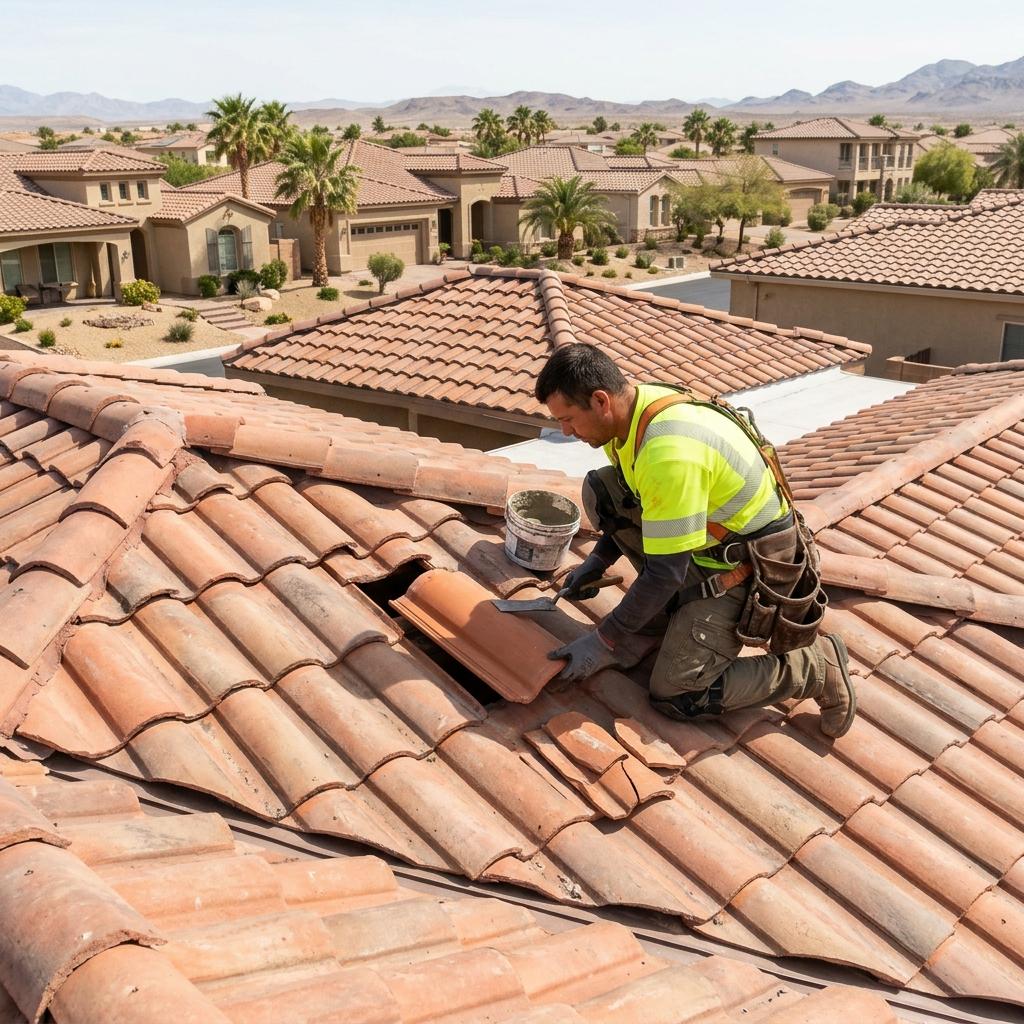
Tile roofs are a familiar feature of residential architecture throughout Las Vegas. Their distinctive appearance, substantial construction and ability to withstand demanding outdoor conditions make them an appealing roofing choice. However, even durable clay and concrete tiles cannot protect a property indefinitely without attention to the materials beneath them.
Many homeowners initially respond to roofing problems by replacing individual broken tiles or sealing visible trouble spots. While this approach can be appropriate for isolated damage, recurring leaks and widespread deterioration may indicate a deeper problem. In these situations, understanding the difference between localized repairs and comprehensive restoration can help property owners make more informed decisions.
Why Do Tile Roofs Require Attention in the Las Vegas Climate?
Las Vegas experiences prolonged sunshine, intense summer temperatures, seasonal winds and occasional heavy rain. These environmental conditions place continuous demands on roofing materials.
Clay tiles are designed to provide a protective exterior layer, but the roofing assembly involves more than the visible surface. Underlayment, battens, flashing, valleys and ridge details all contribute to managing moisture and directing water away from vulnerable areas.
Over time, the protective materials beneath roof tiles can deteriorate. Older felt underlayment may become brittle, lose flexibility or develop openings that allow moisture to reach the roof deck. Temperature fluctuations and exposure to environmental conditions can also contribute to wear around transitions and roof penetrations.
This explains why a roof can appear relatively attractive from the street while experiencing problems beneath its tile covering. Paying attention to the entire roofing system is therefore important when evaluating its condition.
What Are the Warning Signs That a Tile Roof Needs Restoration?
Recognizing early warning signs can help property owners determine whether their roofing system needs more than occasional maintenance.
1. Recurring Roof Leaks
A roof leak that returns after previous repairs deserves closer attention. Water may enter through deteriorated underlayment, damaged flashing or vulnerable areas around valleys and roof penetrations.
Replacing one visibly damaged tile might address the immediate opening without correcting the underlying source of moisture intrusion. An inspection should consider the surrounding materials and potential water pathways.
2. Multiple Cracked or Displaced Tiles
Individual broken tiles can sometimes be replaced without disturbing the entire roofing system. However, widespread cracking, movement or repeated displacement may indicate that additional components require evaluation.
Damaged tiles can expose the protective layers underneath to direct environmental exposure. Loose materials may also allow debris and moisture to enter vulnerable roof sections.
3. Deteriorating Underlayment
Underlayment is an important part of a tile roof because it provides a secondary protective barrier beneath the exterior tiles.
When this material becomes brittle, deteriorated or compromised, replacing individual tiles may not provide a dependable long-term solution. A professional evaluation can help determine whether the existing underlayment remains serviceable or needs renewal.
4. Problems Around Valleys and Ridge Caps
Roof valleys collect and direct water toward drainage areas. If debris accumulates or metal valley flashing deteriorates, water management can become less effective.
Ridge caps also deserve attention because their mortar and surrounding connections can develop cracks or other signs of wear. These details should be assessed as part of a complete roof inspection.
How Does Tile Roof Restoration Differ From Individual Repairs?
The main difference is the scope of work.
Individual repairs concentrate on specific damaged areas. A contractor may replace broken tiles, secure displaced materials, repair flashing or address a localized leak. This approach can be suitable when the surrounding roofing assembly remains in reasonable condition.
Restoration takes a broader approach. Depending on the roof's condition, it may involve carefully lifting existing tiles, evaluating the roof deck, removing deteriorated underlayment, installing new protective materials and reinstalling suitable tiles.
For property owners considering Clay Tile Roof Repair in Las Vegas, NV, understanding this distinction is particularly important. The visible damage does not always reveal the full condition of the roofing system.
A thorough assessment helps establish whether a targeted repair is sufficient or whether more extensive work deserves consideration.
What Happens During a Professional Tile Roof Restoration?
A properly planned restoration involves several stages. The exact process depends on the existing roof construction, material condition and project requirements.
Initial Roof Inspection
The first step is evaluating the accessible roofing surfaces and identifying areas of concern. Contractors examine cracked or displaced tiles, flashing, valleys, ridge details and other vulnerable transitions.
The inspection should also consider evidence of moisture intrusion and the condition of accessible supporting materials.
Careful Tile Removal and Organization
When restoration requires access to the underlying roof assembly, existing tiles may need to be lifted and organized for reuse.
Careful handling matters because serviceable clay tiles can often remain part of the finished roofing system. Their condition, compatibility and suitability for reinstallation must be evaluated rather than automatically assuming every tile can be reused.
Underlayment and Supporting Material Evaluation
Once the tiles have been removed from the necessary sections, the underlying materials become easier to assess.
Deteriorated underlayment may require replacement. Depending on the findings, contractors may also evaluate batten boards, roof decking and other supporting components.
Flashing and Waterproofing Details
Valley flashing, roof edges, penetrations and ridge areas are important parts of the waterproofing system.
These locations require appropriate detailing to help direct water away from vulnerable openings. The materials and installation methods should match the roof design and existing assembly.
Tile Reinstallation and Final Review
Suitable tiles can be positioned again after the necessary protective layers and supporting details have been addressed.
The final review should consider tile placement, securement, ridge details, flashing integration and overall workmanship. The objective is to restore the roofing assembly rather than simply improve its visible appearance.
How Can Property Owners Evaluate Restoration Options?
Choosing between repair and restoration should involve more than comparing the immediate cost of two estimates.
Property owners should consider the extent of deterioration, the age and condition of the underlayment, the number of damaged tiles and the likelihood of additional problems developing in other roof sections.
A few broken tiles with otherwise serviceable supporting materials may justify a focused repair. Conversely, repeated leaks across different areas could suggest that the underlying protective layer has reached a condition requiring more extensive attention.
Homeowners exploring Tile Roof Restoration in Las Vegas, NV should look for an inspection process that explains the condition of existing materials and identifies the work actually needed.
Written estimates are also useful. Ask contractors to distinguish between tile replacement, underlayment renewal, flashing work and any additional structural repairs. Understanding these details makes it easier to compare proposals accurately.
What Questions Should You Ask Before Hiring a Roofing Contractor?
Selecting a roofing contractor is an important part of protecting a property. Before approving a project, consider asking several practical questions.
-
What is causing the roofing problem? Ask whether the damage is limited to individual tiles or involves the underlayment and supporting materials.
-
Can existing tiles be reused? Find out which materials remain suitable and which require replacement.
-
What will the project include? Request a clear explanation of removal, underlayment installation, flashing work and tile reinstallation.
-
How will the property be protected? Discuss material storage, debris management and protection during the project.
-
What is included in the estimate? Review labor, materials, additional repairs and any applicable workmanship terms.
-
Can you verify your qualifications? Check the contractor's applicable Nevada licensing status and request relevant project documentation.
Clear answers can help property owners understand the proposed work before making a commitment.
Why Is Early Roof Evaluation Important in Las Vegas?
Waiting until water becomes visible inside a property can allow an existing roofing problem to develop further. Moisture intrusion may affect insulation, ceiling materials, roof decking and other building components.
An early inspection provides an opportunity to identify vulnerable areas and understand whether maintenance, localized repairs or restoration is appropriate.
This is particularly relevant for older tile roofs where the exterior covering may remain usable while the underlayment requires attention.
Rather than assuming that every roof needs complete replacement, property owners should seek recommendations based on actual material conditions. A well-defined project scope can help avoid unnecessary work while addressing genuine roofing concerns.
Making an Informed Decision About Your Tile Roof
A tile roof's long-term performance depends on the condition of the complete roofing assembly, not simply the appearance of its exterior tiles. Cracks, displaced materials and recurring leaks should be evaluated carefully to identify their underlying causes.
For Las Vegas property owners, understanding when individual repairs are sufficient and when comprehensive restoration deserves consideration can make roofing decisions more practical.
The best starting point is a detailed professional inspection that evaluates the tiles, underlayment, flashing, valleys, and supporting materials. With a clear understanding of the roof's actual condition, homeowners can choose an appropriate solution that addresses existing problems and supports the property's future protection.
More details are available at: Local Business Directory
- Managerial Effectiveness!
- Future and Predictions
- Motivatinal / Inspiring
- Fitness and Wellness
- Medical & Health
- Manufacturing
- Education
- Real-Estate
- Food Industry
- Hospitality
- Online Games
- Sports
- Home Services
- Civil Engineering
- Safety and Protection
- Software Products & Services
- Fashion and Jewellery
- Artificial Intelligence
- Entrepreneurship
- Mentoring & Guidance
- Marketing
- Networking
- HR & Recruiting
- Literature
- Shopping
- Career Management & Advancement