

 SkillClick
Backwoods Cigars in Canada: Varieties, Formats and Product Characteristics
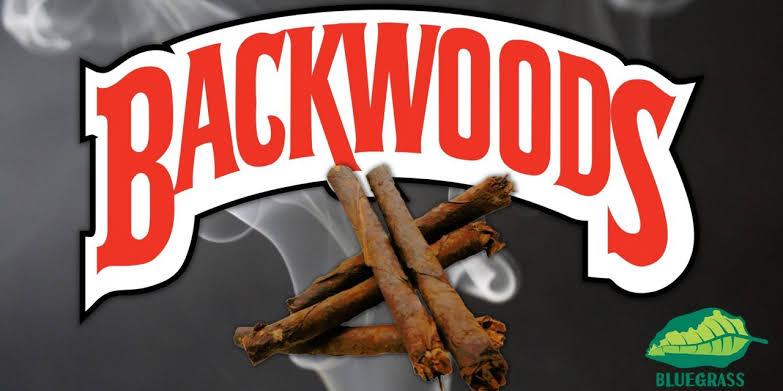
Cigars are often grouped together as though they all follow the same design principles. In reality, differences in construction, tobacco selection, dimensions and outer wrapping can make two products within the same category quite distinct. Backwoods is an interesting example because its products have a recognisable rustic appearance that differs considerably from the polished presentation associated with many traditional premium cigars.
The Distinctive Construction Behind Backwoods Cigars
One of the most noticeable characteristics of Backwoods cigars is their irregular appearance. Unlike conventional cigars, which are generally associated with carefully defined cylindrical shapes, Backwoods products have a deliberately rustic presentation.
Their outer wrapping is an important part of this identity. The tobacco-leaf wrapper gives the product a natural, uneven surface rather than the smooth finish commonly associated with traditional cigar wrappers.
The ends also contribute to the recognisable design. Their appearance is less uniform than the neatly finished ends found on many conventional cigar formats.
These physical details are not simply decorative. They reflect a different approach to cigar construction, where the overall presentation is part of the product's established identity.
Understanding the Different Backwoods Varieties
Backwoods has developed a range of named varieties over time. Product names and packaging designs can differ between markets, and not every variation is necessarily available in every country.
Some recognised varieties include:
-
Original: Associated with the brand's traditional product identity and rustic presentation.
-
Honey: A named variety distinguished by its product designation and packaging.
-
Russian Cream: A recognised variety within the brand's broader range.
-
Grape: A variety identified by its distinctive product name.
-
Honey Berry: Another named variation found in discussions of the Backwoods range.
-
Dark Stout: A variety associated with a darker visual presentation.
It is important to distinguish between a product's name, its actual ingredients and its physical characteristics. A flavour-related name, for example, should not automatically be interpreted as a complete description of the tobacco blend or manufacturing process.
Packaging can also change between production runs and markets, so product identification should rely on the actual manufacturer information rather than photographs alone.
Product Formats and Physical Dimensions
Format is another useful way to understand the Backwoods range. Cigars are not defined exclusively by their tobacco content. Their dimensions, construction and presentation also determine how they are classified.
Backwoods products are generally recognised for their relatively compact, irregular format. This sets them apart visually from long, traditionally shaped cigars.
Several physical characteristics are worth examining when comparing product descriptions:
Overall length: Length is one of the basic measurements used to distinguish cigar formats. It provides a more reliable point of comparison than packaging appearance alone.
Diameter: The width of a cigar affects its physical classification and is commonly expressed through ring gauge measurements in the cigar industry.
Wrapper appearance: Backwoods is particularly recognisable for its natural-looking tobacco-leaf exterior. Variations in appearance are possible, making individual product identification important.
Construction: The way the wrapper and tobacco components are assembled contributes to the finished product's shape and consistency.
Packaging quantity: Individual retail packaging and larger distribution cartons are separate specifications. The number of units per pack or carton should always be confirmed using the relevant market's product information.
These details are useful when comparing product listings because two items carrying similar brand names may not necessarily share identical dimensions or packaging specifications.
How Backwoods Differs From Traditional Cigars
The distinction between Backwoods and traditional cigars becomes clearer when their construction is considered side by side.
Traditional premium cigars are commonly associated with carefully selected tobacco leaves, defined shapes and more controlled finishing. Their production may involve considerable attention to wrapper selection, filler composition and the consistency of the finished cigar.
Backwoods has a different visual identity. Its rustic wrapper, irregular edges and compact presentation make it readily distinguishable from many conventional cigar formats.
There are also differences in how products are presented to consumers. Traditional cigar manufacturers frequently organise their collections around dimensions, tobacco origins and established cigar lines. Backwoods product identification is more closely associated with its named varieties and recognisable packaging.
Neither category should be treated as a single uniform product type. Construction and specifications can vary considerably within each category.
Packaging and Product Identification in the Canadian Market
The Canadian market has particular considerations when it comes to tobacco product identification. Packaging, labelling and product presentation are subject to federal and provincial requirements, and imported products may have additional considerations.
This means that packaging seen in another country should not automatically be assumed to represent the version distributed in Canada.
For example, differences may exist in:
-
Mandatory health warnings and packaging presentation.
-
Manufacturer and importer identification.
-
Product descriptions and declared quantities.
-
Applicable tax markings and retail requirements.
-
The information provided for products intended for different markets.
These distinctions are especially relevant when examining online product photographs or comparing descriptions from international sources.
A product's visual appearance alone is not sufficient to establish whether it is legally packaged or authorised for sale in Canada. Current requirements should be checked against official Canadian tobacco legislation and applicable provincial rules.
What Makes Accurate Product Descriptions Important?
Product descriptions can sometimes rely too heavily on brand names and packaging photographs. This leaves out details that are actually more useful for identifying a particular item.
A well-prepared description should distinguish between the product's name, format, packaging configuration and verified manufacturer specifications.
For Backwoods, this is particularly important because named varieties can be confused with descriptions of ingredients or characteristics that have not been independently established.
A useful product reference should therefore include the exact variety name, the packaging shown, the stated quantity and any available manufacturer specifications. Where information is unavailable, it is better to identify that limitation than to introduce assumptions.
When examining Backwoods Cigars in Canada, it helps to look beyond the packaging and consider the physical features that distinguish the brand. Its product identity is closely connected to its unconventional shape, tobacco-leaf exterior and compact format. These characteristics also provide a useful starting point for understanding how machine-made cigars differ from other cigar categories.
The Continuing Recognition of the Backwoods Brand
Backwoods occupies a distinct position in the cigar category because its identity is built around a recognisable combination of appearance, construction and product naming.
Its rustic wrapper and irregular shape make it visually different from many traditional cigar brands, while its named varieties provide a straightforward way to distinguish products within the range.
For anyone researching the brand in Canada, understanding these differences offers a more complete picture than relying on packaging or variety names alone. Physical specifications, accurate product identification and the Canadian regulatory environment all form part of a meaningful product overview.
Ultimately, Backwoods demonstrates how construction and presentation can become defining elements of a cigar brand. Looking at these characteristics separately makes it easier to understand the range without confusing product appearance, variety names and verified specifications.
- Managerial Effectiveness!
- Future and Predictions
- Motivatinal / Inspiring
- Fitness and Wellness
- Medical & Health
- Manufacturing
- Education
- Real-Estate
- Food Industry
- Hospitality
- Online Games
- Sports
- Home Services
- Civil Engineering
- Safety and Protection
- Software Products & Services
- Fashion and Jewellery
- Artificial Intelligence
- Entrepreneurship
- Mentoring & Guidance
- Marketing
- Networking
- HR & Recruiting
- Literature
- Shopping
- Career Management & Advancement