

 SkillClick
What Makes a Vehicle Detailing Routine More Effective?
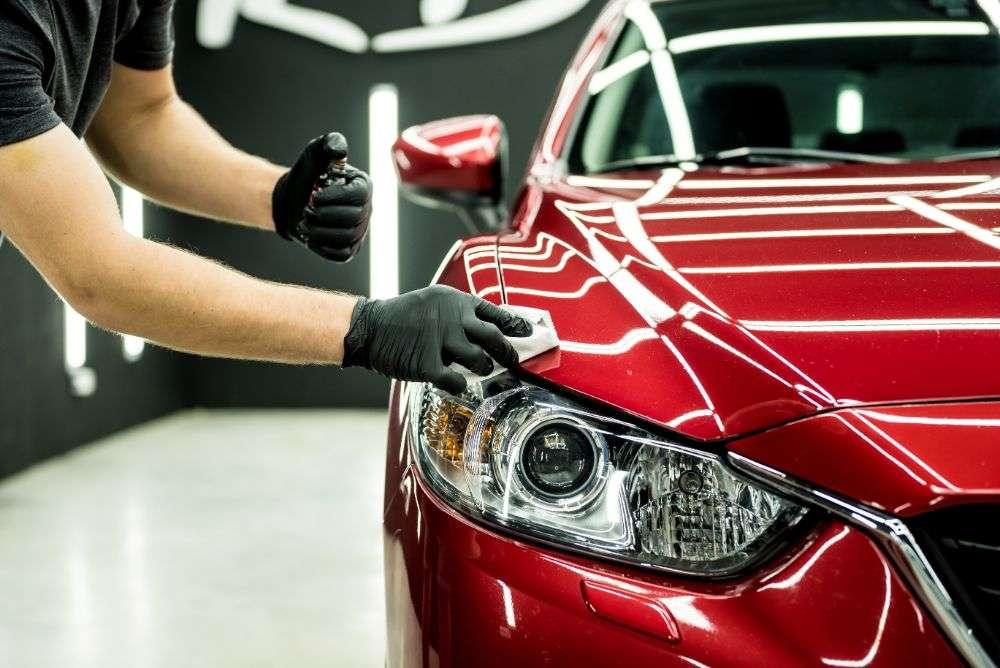
A vehicle can look clean from a distance while still carrying dust, fingerprints, stains, and residue across its surfaces. Door panels may collect muddy marks, cup holders can develop sticky buildup, and exterior paint may lose its shine because of road grime. These issues often develop gradually, making them easy to overlook until the vehicle needs more attention.
A well-planned car detailing routine focuses on more than a quick wash. It combines interior surface cleaning, exterior paint care, and vehicle maintenance to keep different areas in good condition. Knowing which tasks need regular attention and which require specialized treatment helps drivers avoid unnecessary work while maintaining a comfortable and presentable vehicle.
Start by Assessing the Vehicle's Condition
Before choosing cleaning products or setting aside time for detailing, inspect the vehicle carefully. Every car develops different cleaning needs depending on its age, usage, parking conditions, and the number of people who travel in it.
Look at the seats, carpets, dashboard, windows, wheels, and painted panels. Check for food stains, embedded dirt, water spots, and areas where dust has accumulated. This inspection helps identify the most important tasks instead of spending time repeatedly cleaning areas that are already in good condition.
It is also useful to separate routine cleaning from restorative work. Loose dust and ordinary road grime can usually be addressed through standard cleaning methods. Deep upholstery stains, paint defects, and stubborn mineral deposits may need more specialized products or professional attention.
Organize Cleaning Tasks in the Right Order
The order of cleaning affects both efficiency and the final result. A simple plan prevents clean areas from becoming dirty again during the same session.
Remove Personal Belongings First
Take out rubbish, shopping bags, unnecessary paperwork, and other loose items. Check door pockets, cup holders, seat gaps, and the trunk for belongings that can be removed before cleaning begins.
This creates better access to the surfaces that need attention. It also helps prevent personal items from becoming wet or accidentally damaged by cleaning products.
Clean the Interior Before Finishing the Exterior
For a thorough detailing session, begin with the cabin. Remove floor mats, vacuum loose dirt, and clean the dashboard, door panels, and other suitable surfaces. Address stains with products designed for the material being treated.
Once the interior is complete, move to the exterior wash. This sequence provides a practical workflow and makes it easier to check that each area has been cleaned properly.
Finish With a Final Inspection
After cleaning, inspect the vehicle in good lighting. Look for streaks on windows, residue around door handles, missed areas near seat rails, and remaining dirt around wheels.
A final check is useful because small details can affect the overall appearance even when the main surfaces look clean. Correcting these areas immediately is usually easier than discovering them after the vehicle has been put back into daily use.
Choose Products That Match Each Surface
Modern vehicles contain a range of materials, including painted metal, plastic trim, vinyl, fabric, leather, glass, and electronic displays. These materials do not always respond well to the same cleaning products.
Automotive interior cleaners are formulated for particular surfaces, while car shampoo is intended for exterior washing. A suitable glass cleaner can help remove fingerprints and film without leaving unnecessary streaks.
Always check product labels and test unfamiliar cleaners on a small, inconspicuous area when appropriate. Avoid mixing chemicals or applying products to surfaces that the manufacturer excludes.
Electronic screens require particular care. Use the cleaning method recommended by the vehicle manufacturer, and avoid spraying liquid directly onto displays, buttons, or electrical controls.
Using the right product for each area helps reduce the risk of discoloration, residue, and accidental damage.
Pay Attention to Commonly Missed Areas
Some parts of a vehicle receive less attention during ordinary cleaning because they are difficult to reach or do not immediately appear dirty.
Seat Gaps and Floor Edges
Crumbs, dust, and small pieces of debris often collect between seats and along carpet edges. A vacuum with an appropriate narrow attachment can help remove loose material from these spaces.
Move seats only when it is safe to do so, and avoid disturbing wiring or electrical connections beneath them. Do not force tools into narrow gaps where they could damage upholstery or trim.
Door Jambs and Storage Compartments
Door jambs can collect dust and moisture, while glove compartments and center consoles may accumulate small items and loose debris. Wipe suitable surfaces with a lightly dampened cloth and dry them as needed.
Avoid allowing water to collect around seals, switches, or electrical components. Gentle cleaning is preferable to soaking these areas.
Wheels and Exterior Trim
Wheels encounter brake dust, road film, and grime that ordinary body washing may not remove effectively. Use suitable wheel-cleaning products and separate brushes to prevent contamination from spreading to painted surfaces.
Exterior trim should also be cleaned according to its material. Avoid using products that leave an excessively slippery finish on surfaces where secure contact is necessary.
Understand When Routine Cleaning Is Not Enough
A regular wash is useful for removing everyday dirt, but it cannot resolve every cosmetic problem. Some stains penetrate upholstery, some contaminants remain bonded to paint, and certain scratches extend beyond the surface layer.
Fabric seats may need targeted stain treatment, while leather or vinyl surfaces require compatible cleaners. Excessive moisture can cause problems in carpets and upholstery, so use products according to their instructions and allow cleaned areas to dry thoroughly.
Exterior paint may need decontamination if it remains rough after washing. Swirl marks or certain light scratches may respond to suitable polishing, but deeper damage can require paint repair.
Recognizing these differences helps prevent unnecessary scrubbing or polishing. The correct treatment depends on the material, the type of defect, and the condition of the vehicle.
When Professional Detailing Can Be Useful
Some vehicle owners prefer to manage routine cleaning themselves but arrange a more thorough service when dirt becomes difficult to remove. Others have limited time and want a comprehensive cleaning process carried out by an experienced provider.
For drivers researching an auto detail service in Inglewood, CA, it helps to begin with the vehicle's actual needs. A basic detailing appointment may include exterior washing, interior vacuuming, glass cleaning, and wiping appropriate interior surfaces. More extensive packages may cover upholstery treatment, paint decontamination, polishing, or protective products.
Before arranging a service, confirm which tasks are included and whether additional treatments cost extra. Ask about the products used on delicate materials and explain any existing stains, damaged trim, or previous paint repairs.
It is also useful to discuss the expected outcome. A detailer may be able to improve a stain or reduce the appearance of a surface defect, but complete removal is not always possible. Setting realistic expectations helps ensure that the selected service matches the vehicle's condition.
A professional assessment is particularly useful when ordinary cleaning has not produced the desired result or when the appropriate treatment is unclear.
Maintain the Results Between Cleaning Sessions
A thorough detailing session can make a vehicle more pleasant to use, but everyday habits determine how quickly dirt returns.
Remove rubbish after trips, keep food and drinks organized, and clean fresh spills promptly. Use floor mats to catch loose dirt and vacuum them regularly. If the vehicle carries pets or sports equipment, additional cleaning may be necessary because hair, sand, and debris can accumulate quickly.
For exterior care, rinse away loose dirt before washing and use clean microfiber tools. Avoid wiping dry dust across painted panels, as trapped particles can create fine scratches.
Parking under cover when practical can reduce exposure to sunlight, falling debris, and bird droppings. Even with protective products, regular washing remains necessary to remove contaminants.
A simple schedule based on driving conditions is more useful than following a rigid timetable. Inspect the vehicle regularly and address problems before they become harder to manage.
Final Thoughts
Effective detailing begins with assessing the vehicle, selecting suitable products, and following a sensible cleaning order. Giving attention to overlooked areas and recognizing the limits of ordinary washing can improve the results without adding unnecessary steps.
By combining consistent daily habits with occasional deeper cleaning, drivers can maintain a cleaner interior, a better-presented exterior, and a more comfortable driving environment. The most useful routine is one that fits the vehicle's condition and can be maintained over time.
- Managerial Effectiveness!
- Future and Predictions
- Motivatinal / Inspiring
- Fitness and Wellness
- Medical & Health
- Manufacturing
- Education
- Real-Estate
- Food Industry
- Hospitality
- Online Games
- Sports
- Home Services
- Civil Engineering
- Safety and Protection
- Software Products & Services
- Fashion and Jewellery
- Artificial Intelligence
- Entrepreneurship
- Mentoring & Guidance
- Marketing
- Networking
- HR & Recruiting
- Literature
- Shopping
- Career Management & Advancement