

 SkillClick
Professional Paid Social Media Advertising: Strategies to Maximize Reach and Return on Investment
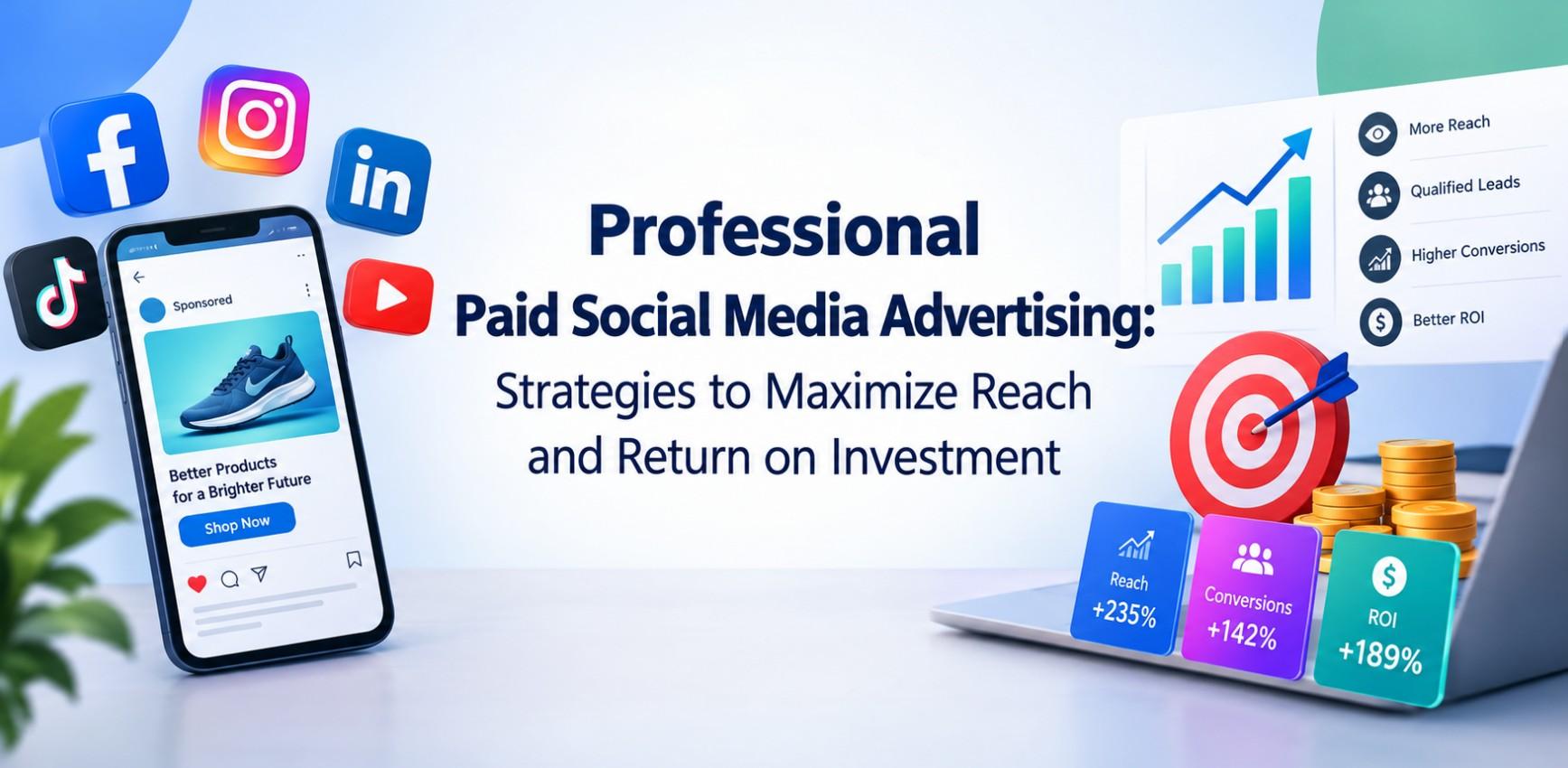
Social media has become one of the most effective channels for businesses looking to reach potential customers, strengthen brand awareness, and increase sales. However, simply publishing content and hoping people will notice it is rarely enough to achieve consistent growth.
Businesses need a well planned advertising strategy that connects the right message with the right audience at the right time. Professional paid social media advertising helps businesses turn social platforms into measurable growth channels.
By combining audience research, compelling creative content, strategic budget allocation, and continuous performance analysis, companies can attract qualified prospects and improve their return on investment.
Understanding Professional Paid Social Media Advertising
Professional paid social media advertising involves creating, managing, and optimizing sponsored campaigns across platforms such as Facebook, Instagram, TikTok, LinkedIn, and YouTube.
Unlike organic content, which depends largely on unpaid distribution, paid advertising allows businesses to increase visibility among carefully selected audiences. The real value of professional campaign management goes beyond generating impressions or collecting likes.
A successful campaign supports specific business objectives, whether that means increasing website traffic, generating leads, encouraging purchases, or building long term customer relationships.
Experienced advertisers use audience insights, creative testing, and campaign analytics to make informed decisions. This structured approach helps businesses spend their advertising budgets more efficiently while creating opportunities for sustainable growth.
Set Clear Advertising Goals Before Launching Campaigns
Every effective advertising strategy begins with a clear objective. Without a defined goal, businesses may spend money on campaigns that generate attention but deliver little commercial value.
For example, an online retailer might focus on purchases and revenue, while a professional service provider may prioritize qualified leads and consultation bookings. A newly established business could initially concentrate on awareness and audience discovery before investing more heavily in conversion campaigns.
Defining measurable targets makes it easier to evaluate performance. Businesses should identify relevant indicators such as cost per lead, conversion rate, customer acquisition cost, and return on advertising spend. These metrics provide a more realistic picture of campaign effectiveness than impressions or engagement alone.
Target the Right Audience With Precision
One of the biggest advantages of paid social media advertising is the ability to reach people based on relevant characteristics, interests, behaviors, and previous interactions. Professional advertisers begin by developing a clear understanding of their ideal customers.
They consider purchasing motivations, common challenges, preferred platforms, and the factors influencing buying decisions. This information helps shape audience segments and advertising messages.
Retargeting can also play an important role. People who have visited a website, watched a video, or interacted with previous content may already be familiar with a business. Relevant follow up advertisements can encourage these users to take the next step.
However, effective targeting requires balance. Overly narrow audiences can limit campaign delivery, while broad targeting without a clear strategy may waste budget. Regular testing helps identify the audience segments that generate meaningful results.
Create Engaging Ads That Encourage Action
Even a carefully targeted campaign can struggle if its creative content fails to capture attention. Social media users scroll quickly, making clear messaging and engaging visuals essential. Strong advertising creative communicates its main benefit within seconds.
It addresses a customer need, explains why the offer matters, and provides a clear call to action. Depending on the audience, this might involve short videos, product demonstrations, customer testimonials, educational graphics, or compelling lifestyle imagery.
Authenticity also matters. Advertisements that feel relevant and relatable often create stronger connections than content filled with exaggerated promises or generic sales language.
Businesses should test different headlines, visuals, formats, and calls to action rather than assuming one creative approach will work for everyone. These experiments reveal which messages attract attention and which encourage customers to convert.
Optimize Advertising Budgets and Campaign Performance
Successful paid social media advertising requires continuous monitoring. Launching a campaign is only the beginning; performance data must guide decisions throughout its lifecycle. Advertisers should review spending, audience response, conversion activity, and the quality of incoming leads.
If a campaign generates clicks but few conversions, the problem may involve the landing page, offer, audience, or messaging rather than the advertisement itself. Budget allocation should reflect actual performance.
Campaigns demonstrating profitable results may deserve additional investment, while underperforming advertisements may require adjustments or replacement. Changes should be made thoughtfully, allowing sufficient time and data to assess their impact.
Accurate conversion tracking is equally important. When measurement systems are configured correctly, businesses can better understand which campaigns contribute to meaningful outcomes and make decisions based on evidence instead of assumptions.
Why Professional Campaign Management Matters
Managing paid advertising effectively requires strategic planning, creative development, technical knowledge, and analytical thinking. Professional campaign management brings these elements together within a consistent process.
Specialists can identify opportunities, reduce inefficient spending, test new approaches, and adapt campaigns as customer behavior changes. They can also coordinate paid advertising with organic social media content, helping businesses maintain consistent messaging across customer touchpoints.
For growing companies, this expertise can save valuable time while creating a clearer path toward measurable marketing objectives. Nevertheless, results depend on factors such as competition, offer quality, audience demand, and available budget. No advertising strategy can guarantee success without ongoing evaluation and improvement.
Conclusion
Professional paid social media advertising is most effective when creativity and data work together. Clear objectives, precise audience targeting, engaging advertisements, and consistent optimization help businesses transform advertising expenditure into meaningful opportunities for growth.
Rather than focusing exclusively on visibility, companies should measure the outcomes that matter to their business. With a thoughtful strategy and a commitment to continuous improvement, paid social campaigns can support stronger customer relationships, more efficient spending, and sustainable commercial performance.
Frequently Asked Questions
1. What is professional paid social media advertising?
It is the strategic planning, creation, management, and optimization of sponsored campaigns on social media platforms to achieve objectives such as brand awareness, lead generation, website traffic, and sales.
2. Which social media platform is best for paid advertising?
The best platform depends on the target audience, industry, campaign objectives, and advertising budget. Facebook and Instagram can support consumer marketing, TikTok can help brands reach audiences through short videos, and LinkedIn is often useful for business to business campaigns.
3. How can businesses improve their return on advertising spend?
Businesses can improve returns by refining audience targeting, testing creative variations, strengthening landing pages, tracking conversions accurately, and reallocating budgets toward campaigns that produce profitable outcomes.
4. How long does it take to see results from paid social media campaigns?
Some campaigns generate clicks and leads shortly after launch, while reliable performance insights usually require additional testing and sufficient conversion data. The timeline depends on the campaign objective, budget, competition, and customer purchasing journey.
- Managerial Effectiveness!
- Future and Predictions
- Motivatinal / Inspiring
- Fitness and Wellness
- Medical & Health
- Manufacturing
- Education
- Real-Estate
- Food Industry
- Hospitality
- Online Games
- Sports
- Home Services
- Civil Engineering
- Safety and Protection
- Software Products & Services
- Fashion and Jewellery
- Artificial Intelligence
- Entrepreneurship
- Mentoring & Guidance
- Marketing
- Networking
- HR & Recruiting
- Literature
- Shopping
- Career Management & Advancement