

 SkillClick
How Protective Coatings Help Maintain a Car’s Finish
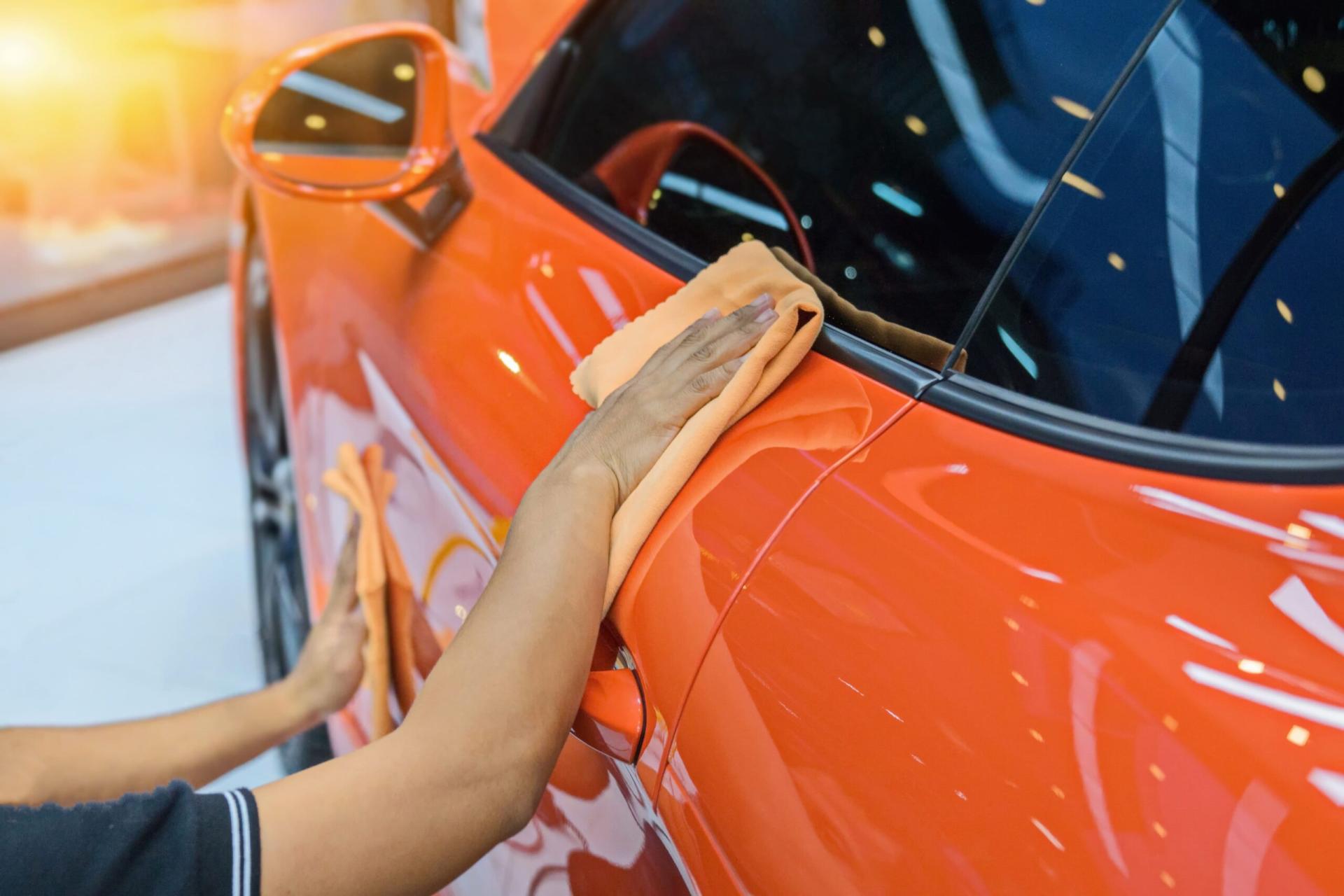
A vehicle's exterior finish is exposed to sunlight, dust, rain, road grime, and many other environmental factors. Over time, these elements can reduce the shine of painted surfaces and make routine cleaning more difficult. Regular washing helps remove dirt, but some drivers look for additional ways to protect their vehicle's paint and maintain its appearance for longer.
Protective treatments can provide an extra layer of care when selected and applied correctly. Different options offer different benefits, so understanding how they work can help vehicle owners choose an approach that suits their driving habits, parking conditions, and maintenance preferences.
What Happens to Car Paint Over Time?
Automotive paint consists of several layers that work together to provide color, gloss, and protection. The clear coat is the outermost layer on many modern vehicles, and it helps shield the underlying paint from everyday exposure.
Although clear coats are designed to withstand normal use, they are not completely resistant to damage. Ultraviolet radiation, abrasive dirt, harsh chemicals, and improper washing techniques can gradually affect the surface. Fine scratches may become visible under direct sunlight, while neglected contaminants can leave stubborn marks.
Vehicles parked outdoors often experience more exposure than those kept in covered garages. Dust can settle on the paint throughout the day, and tree sap or bird droppings may require prompt removal. Consistent cleaning and suitable protection can help reduce some of these problems.
Why Surface Preparation Matters
Protective treatments work best when the vehicle's surface is properly prepared. Applying a coating over accumulated dirt, oily residue, or existing contamination can affect the final result.
The preparation process generally begins with a thorough wash. This removes loose dirt and grime from the exterior. Depending on the vehicle's condition, additional cleaning methods may be needed to remove bonded contaminants that ordinary washing cannot eliminate.
A careful inspection should follow. Paint may contain water spots, swirl marks, scratches, or oxidation that affect its appearance. These imperfections should be evaluated before a protective product is applied.
Surface preparation also helps identify areas that require special attention, including plastic trim, badges, and panel edges. Taking the time to prepare the vehicle properly can contribute to a more consistent finish.
How Ceramic Protection Works
Ceramic coatings are liquid products designed to form a protective layer on a vehicle's exterior after application and curing. Many professional products use silicon-based chemistry, often involving silica compounds, to create a durable surface layer.
One of their most noticeable features is water behavior. A suitable coating may cause water to bead or move more easily across the surface. This can make certain types of dirt easier to remove during routine washing, although it does not mean the vehicle will remain completely clean.
Ceramic protection can also help reduce the adhesion of some contaminants. However, its performance depends on the product, preparation, application technique, and maintenance routine. No coating makes paint completely resistant to scratches, stone chips, or all chemical damage.
Drivers should also recognize that coatings vary considerably. Consumer products and professional-grade systems may have different application requirements and durability claims. Reviewing the manufacturer's instructions is useful before selecting a treatment.
Ceramic Coatings Compared With Wax and Sealants
Wax, paint sealants, and ceramic coatings are commonly used to maintain automotive paint, but they do not provide identical results.
Traditional wax is often selected for its shine and relatively simple application. Depending on the product and conditions, its protection may last for a shorter period than more durable alternatives.
Paint sealants use synthetic formulations designed to provide a protective layer and improve water behavior. They can be a practical option for drivers who want easier maintenance without committing to a more involved coating process.
Ceramic coatings are often chosen by owners seeking longer-lasting surface protection and easier routine cleaning. However, they typically require careful preparation and application, especially when professional-grade products are involved.
The best option depends on the vehicle's condition, the owner's budget, and the amount of maintenance they are willing to perform. A more expensive product is not automatically the right choice for every driver.
Preparing a Vehicle for Long-Lasting Protection
A clean surface is only one part of preparing a vehicle for protective treatment. Paint condition, environmental exposure, and previous maintenance can all influence the final result.
For example, a car with visible swirl marks may benefit from appropriate paint refinement before a coating is applied. A vehicle with relatively new paint may need less corrective work, provided the surface is already in good condition.
During Ceramic Coating in Westchester, CA, proper preparation is particularly relevant for vehicles exposed to regular sunshine, airborne dust, and outdoor parking conditions. The goal is to prepare the surface carefully and apply a suitable product according to its requirements.
Paint correction, when needed, should be assessed separately from coating application. A coating may preserve the prepared appearance, but it does not automatically remove existing scratches or restore damaged paint.
Owners should also discuss curing requirements before the vehicle returns to normal use. Some products need a specific period of protection from moisture and environmental exposure after application.
Maintaining a Coated Vehicle
A ceramic coating still needs routine care. Although it may make cleaning easier, it does not eliminate the need for washing or inspections.
Using a suitable automotive shampoo and clean microfiber materials helps remove dirt without introducing unnecessary scratches. Strong household cleaners and abrasive brushes should generally be avoided unless the product manufacturer specifically approves them.
Washing frequency depends on how the vehicle is used. Cars parked outside or driven regularly through dusty areas may need more frequent attention. Bird droppings, tree sap, and other stubborn contaminants should be removed promptly with compatible products.
After washing, drying the vehicle can help minimize water spots, particularly in areas with mineral-rich water. Owners should also follow the coating manufacturer's recommendations for maintenance products and periodic inspections.
A coated vehicle may eventually require a maintenance treatment, depending on the product and environmental conditions. Reduced water beading does not always mean the coating has completely failed; accumulated contamination can also affect how water behaves on the surface.
Common Mistakes to Avoid
Even a quality coating may perform poorly when the vehicle is prepared or maintained incorrectly. Avoiding common mistakes helps owners get more value from their chosen treatment.
One frequent mistake is expecting a coating to prevent every scratch. Ceramic protection may improve resistance to certain forms of surface contamination, but it cannot guarantee protection against keys, sharp objects, flying stones, or careless contact.
Another mistake is neglecting regular washing. Dirt can still accumulate on coated paint, particularly around lower panels, wheel arches, and the rear of the vehicle.
Applying incompatible products can also interfere with the coating's surface characteristics. Drivers should avoid experimenting with aggressive chemicals or abrasive compounds without checking whether they are suitable.
Finally, advertised durability should be treated as an estimate rather than a guarantee. Actual performance depends on the formulation, application, driving conditions, and ongoing maintenance.
Choosing the Right Protection for Your Driving Habits
Different drivers have different priorities. Someone who drives long distances every day may care most about convenient cleaning, while an owner of a weekend vehicle may place greater emphasis on maintaining a glossy finish.
Parking conditions are another consideration. Vehicles kept outdoors experience more direct environmental exposure, while covered parking can reduce some of the challenges associated with sunlight and falling debris.
Budget also matters. The initial cost of a professional coating may be higher than applying wax or a consumer sealant. Owners should consider the cost of preparation, application, maintenance products, and future care rather than comparing the price of the coating product alone.
It is sensible to ask about surface preparation, expected maintenance, curing time, and realistic durability before choosing a service. Clear answers can help owners compare options based on actual needs rather than marketing claims.
Other Ways to Preserve Exterior Appearance
Protective coatings are only one part of vehicle maintenance. Regular washing, careful drying, sensible parking, and prompt removal of stubborn contaminants remain useful practices regardless of the protection method selected.
Paint protection film is another option for certain high-impact areas, such as the front bumper, hood, or side mirrors. Unlike a ceramic coating, which primarily provides a surface layer, paint protection film is a physical film designed to help shield paint from some minor impacts and abrasion. The two products serve different purposes and may sometimes be used together.
Owners should also pay attention to exterior trim, glass, wheels, and headlights. These areas have their own cleaning and protection requirements, and a paint coating may not be suitable for every material.
A balanced maintenance routine considers the whole vehicle rather than focusing exclusively on paint gloss.
Conclusion
Protective coatings can help maintain a vehicle's finish by making routine cleaning easier and reducing the adhesion of certain contaminants. Ceramic coatings are one option among several, and their results depend on suitable preparation, correct application, and regular maintenance.
Before choosing a treatment, drivers should consider their vehicle's current paint condition, typical driving environment, parking arrangements, and long-term maintenance preferences. Realistic expectations are equally important because no coating can prevent every type of surface damage.
With appropriate care and a suitable protection method, vehicle owners can maintain a cleaner exterior and preserve its appearance more effectively over time.
- Managerial Effectiveness!
- Future and Predictions
- Motivatinal / Inspiring
- Fitness and Wellness
- Medical & Health
- Manufacturing
- Education
- Real-Estate
- Food Industry
- Hospitality
- Online Games
- Sports
- Home Services
- Civil Engineering
- Safety and Protection
- Software Products & Services
- Fashion and Jewellery
- Artificial Intelligence
- Entrepreneurship
- Mentoring & Guidance
- Marketing
- Networking
- HR & Recruiting
- Literature
- Shopping
- Career Management & Advancement