

 SkillClick
Acoustic Ceiling Tiles Market Accelerators: Key Forces Driving Innovation and Construction Demand
Introduction
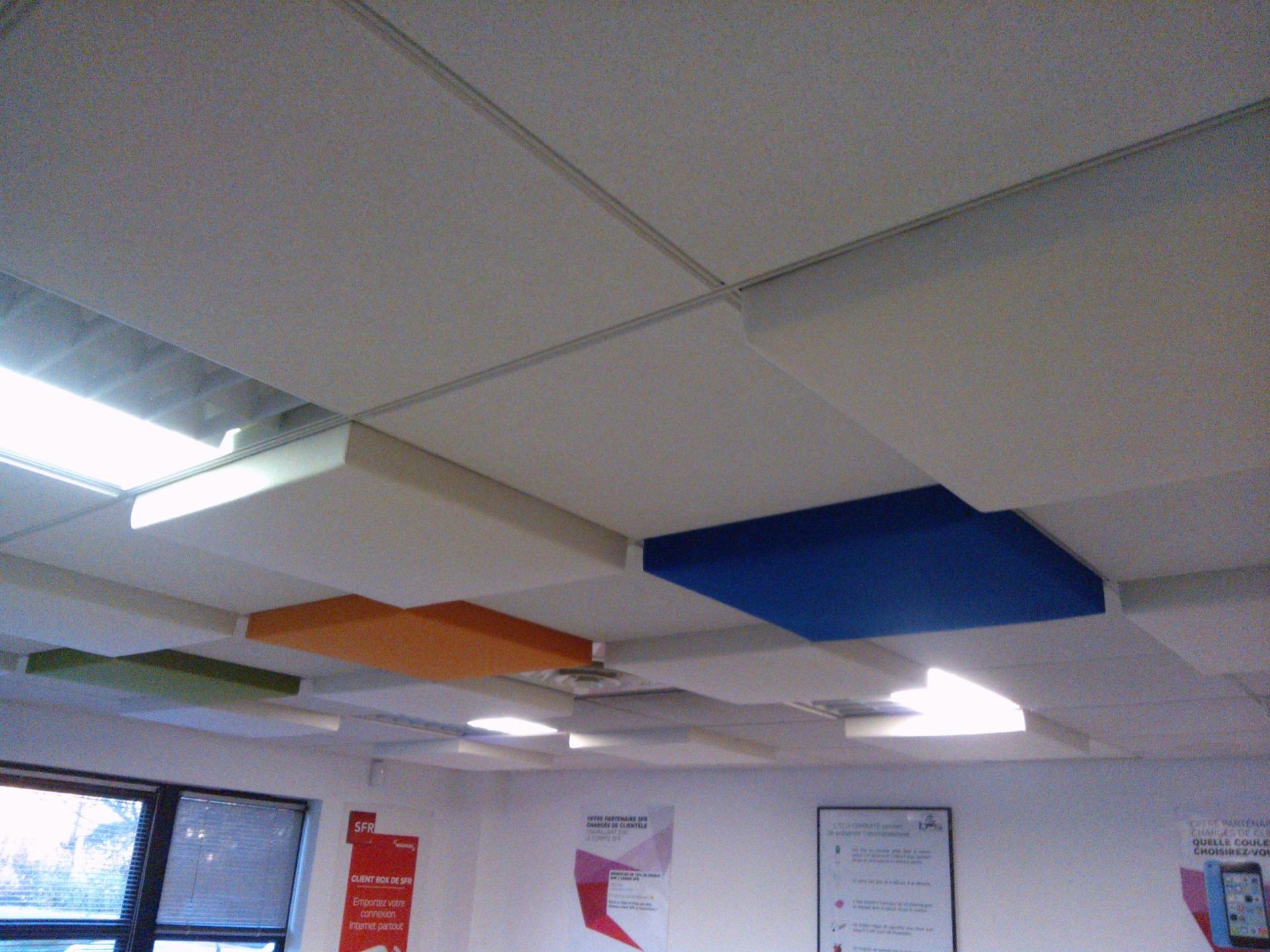
The Acoustic Ceiling Tiles Market is gaining momentum as commercial construction, modern interior design, and sound management requirements reshape building environments. Acoustic ceiling tiles are widely used in offices, educational institutions, hospitals, hotels, shopping centers, entertainment venues, and residential properties. These products help reduce unwanted noise, improve speech clarity, and create comfortable indoor spaces while concealing electrical wiring, ventilation systems, and other building infrastructure.
Several factors are accelerating market development, including urbanization, infrastructure investment, workplace modernization, and increasing awareness of indoor environmental quality. Manufacturers are also introducing sustainable materials, improved acoustic performance, and attractive designs to meet evolving customer expectations. Understanding the major Acoustic Ceiling Tiles Market Accelerators helps explain how construction trends, technological advancements, and changing building standards are creating opportunities across the industry.
Rising Demand for Commercial Construction
Commercial construction remains one of the strongest accelerators for the acoustic ceiling tiles industry. Offices, retail complexes, hotels, conference centers, and mixed-use developments require ceiling systems that combine sound absorption with visual appeal and practical functionality.
Modern commercial buildings frequently feature open-plan layouts. Although these designs encourage collaboration and make efficient use of floor space, they can create excessive noise from conversations, electronic equipment, and movement. Acoustic ceiling tiles help manage reverberation and improve the overall sound environment.
The expansion of corporate offices, coworking spaces, and commercial facilities is encouraging architects and contractors to incorporate acoustic solutions earlier in the design process. As developers prioritize occupant comfort and building functionality, acoustic ceiling systems are becoming an important component of interior construction.
Urbanization and Infrastructure Development
Rapid urbanization is another significant factor supporting market expansion. Growing cities require additional schools, hospitals, transportation facilities, residential complexes, shopping destinations, and public buildings. These projects create demand for ceiling materials that provide dependable acoustic performance and straightforward installation.
Infrastructure modernization also contributes to market growth. Renovation projects involving government buildings, healthcare facilities, libraries, and educational campuses often include improvements to interior acoustics. Older structures may require ceiling replacements to address deteriorating materials, outdated designs, or changing building requirements.
In densely populated urban areas, noise management is particularly important. Acoustic ceiling tiles can help create more comfortable indoor environments in buildings exposed to traffic noise, mechanical equipment, and high levels of human activity.
Greater Emphasis on Workplace Productivity
Businesses increasingly recognize that indoor environments influence employee concentration, communication, and satisfaction. Excessive background noise can interfere with meetings, reduce speech intelligibility, and make collaborative work more difficult.
This awareness is encouraging employers to invest in better acoustic design. Acoustic ceiling tiles can absorb sound energy, reduce reverberation, and complement other noise-control measures, including wall panels, carpeting, and sound-insulating partitions.
Hybrid working arrangements have also changed how organizations use office space. Meeting rooms, video-conferencing areas, shared workstations, and collaborative zones require different acoustic characteristics. Manufacturers that offer ceiling tiles for varied room configurations can benefit from these changing workplace requirements.
Consequently, workplace modernization represents an important commercial accelerator, particularly for manufacturers serving office renovation projects and flexible working environments.
Expansion of Healthcare and Educational Facilities
Healthcare and education are important application segments because both depend on environments that support communication, concentration, and comfort.
Hospitals require acoustic solutions that help control noise from conversations, equipment, corridors, and other busy areas. Quieter environments can support patient comfort and improve communication between healthcare professionals. However, ceiling products in healthcare facilities must also satisfy relevant hygiene, cleaning, fire-safety, and installation requirements.
Educational buildings present similar opportunities. Classrooms, lecture halls, libraries, laboratories, and examination rooms benefit from improved speech clarity and reduced reverberation. Students may find it easier to follow lessons when background noise is controlled, especially in classrooms with large groups.
These application-specific requirements encourage manufacturers to develop specialized products with appropriate acoustic ratings, durable surfaces, and maintenance-friendly finishes.
Technological Advancements in Acoustic Materials
Product innovation is accelerating competition and expanding the potential applications of acoustic ceiling tiles. Manufacturers are developing materials that balance sound absorption, strength, appearance, weight, and installation convenience.
Mineral fiber tiles remain widely used in commercial interiors, while metal, gypsum, wood-based, and recycled-content options serve different functional and aesthetic requirements. Improvements in surface treatments, perforation patterns, material composition, and tile geometry can help manufacturers address diverse architectural needs.
Advanced manufacturing techniques also support more consistent product quality and broader design flexibility. Designers can select from different textures, colors, edge profiles, and panel dimensions to coordinate ceilings with contemporary interiors.
Another development is the integration of acoustic performance with other building requirements. Depending on the product, ceiling systems may offer fire resistance, moisture resistance, light reflectance, or compatibility with building service installations. These combinations can increase the value of acoustic tiles in projects where space, cost, and performance must be balanced.
Sustainability and Green Building Practices
Environmental considerations are becoming an increasingly influential market accelerator. Developers and building owners are paying greater attention to material sourcing, recycled content, product durability, indoor air quality, and construction waste.
Manufacturers are responding by exploring recycled materials, reducing production waste, improving energy efficiency, and designing products that support responsible building practices. Ceiling tiles that contribute to relevant green building objectives may become more attractive to developers seeking environmental certifications or improved sustainability performance.
Low-emission materials are also important in offices, schools, and healthcare facilities, where indoor air quality can influence occupant comfort. Product transparency, environmental documentation, and responsible manufacturing practices can help suppliers differentiate themselves.
However, sustainability claims must be supported by credible product information. Manufacturers that demonstrate measurable environmental benefits while maintaining acoustic effectiveness and competitive pricing are better positioned to meet evolving purchasing expectations.
Renovation and Replacement Activities
The renovation market provides another consistent source of demand. Commercial buildings require periodic upgrades to maintain functionality, improve appearance, and accommodate changing occupancy patterns.
Acoustic ceiling tiles are particularly suitable for many renovation projects because modular systems can allow individual tiles to be replaced without removing the entire ceiling. This can simplify maintenance and help reduce disruption when compared with more extensive interior reconstruction, depending on the existing system.
Property owners may also replace aging ceiling materials to improve lighting conditions, address damaged surfaces, or update building interiors. Office conversions, hotel refurbishments, and educational facility upgrades create additional opportunities for suppliers.
The ability to offer compatible replacement tiles, reliable availability, and convenient installation can therefore become an important competitive advantage.
E-Commerce and Distribution Improvements
Changes in distribution are helping manufacturers and suppliers reach a wider customer base. Digital product catalogs, technical specifications, online quotation systems, and virtual design resources make it easier for contractors, architects, and smaller buyers to compare available options.
Improved inventory management and distribution networks can also reduce procurement delays. This is especially valuable for projects that require consistent tile dimensions, coordinated finishes, and timely delivery across multiple locations.
Specialized distributors remain important because customers often need assistance with acoustic ratings, suspension systems, installation procedures, and building code requirements. Combining digital convenience with technical support can strengthen supplier relationships and encourage repeat purchases.
Challenges That May Limit Market Acceleration
Despite favorable conditions, several obstacles could moderate growth. Fluctuating raw material costs, transportation expenses, and construction delays may affect project budgets. Lower-priced alternatives can also influence purchasing decisions, particularly in cost-sensitive markets.
Additionally, acoustic ceiling tiles must compete with alternative sound-control products, including wall panels, suspended baffles, and integrated architectural systems. Performance expectations vary by application, meaning that a standard ceiling tile may not meet every project's acoustic requirements.
Manufacturers must also address installation quality, moisture exposure, maintenance needs, and compliance with applicable safety standards. Clear technical guidance and product differentiation can help overcome these barriers.
Future Outlook
The future of the Acoustic Ceiling Tiles Market will depend on the interaction of construction activity, renovation demand, workplace design, and material innovation. Healthcare, education, hospitality, and commercial office projects are likely to remain important areas of application, while sustainability and adaptable interior design will influence product development.
Manufacturers that combine dependable acoustic performance with attractive designs, responsible material choices, and efficient distribution can strengthen their market position. Continued investment in research, application-specific solutions, and customer support will also be essential.
Overall, the main Acoustic Ceiling Tiles Market Accelerators reflect a broader shift toward buildings that prioritize occupant comfort, functional interiors, and resource efficiency. As these priorities become more firmly established in construction and renovation decisions, acoustic ceiling systems will continue to play an important role in modern building design.
- Managerial Effectiveness!
- Future and Predictions
- Motivatinal / Inspiring
- Fitness and Wellness
- Medical & Health
- Manufacturing
- Education
- Real-Estate
- Food Industry
- Hospitality
- Online Games
- Sports
- Home Services
- Civil Engineering
- Safety and Protection
- Software Products & Services
- Fashion and Jewellery
- Artificial Intelligence
- Entrepreneurship
- Mentoring & Guidance
- Marketing
- Networking
- HR & Recruiting
- Literature
- Shopping
- Career Management & Advancement