

 SkillClick
How to Price Your Property in Dubai to Sell Quickly Without Losing Value
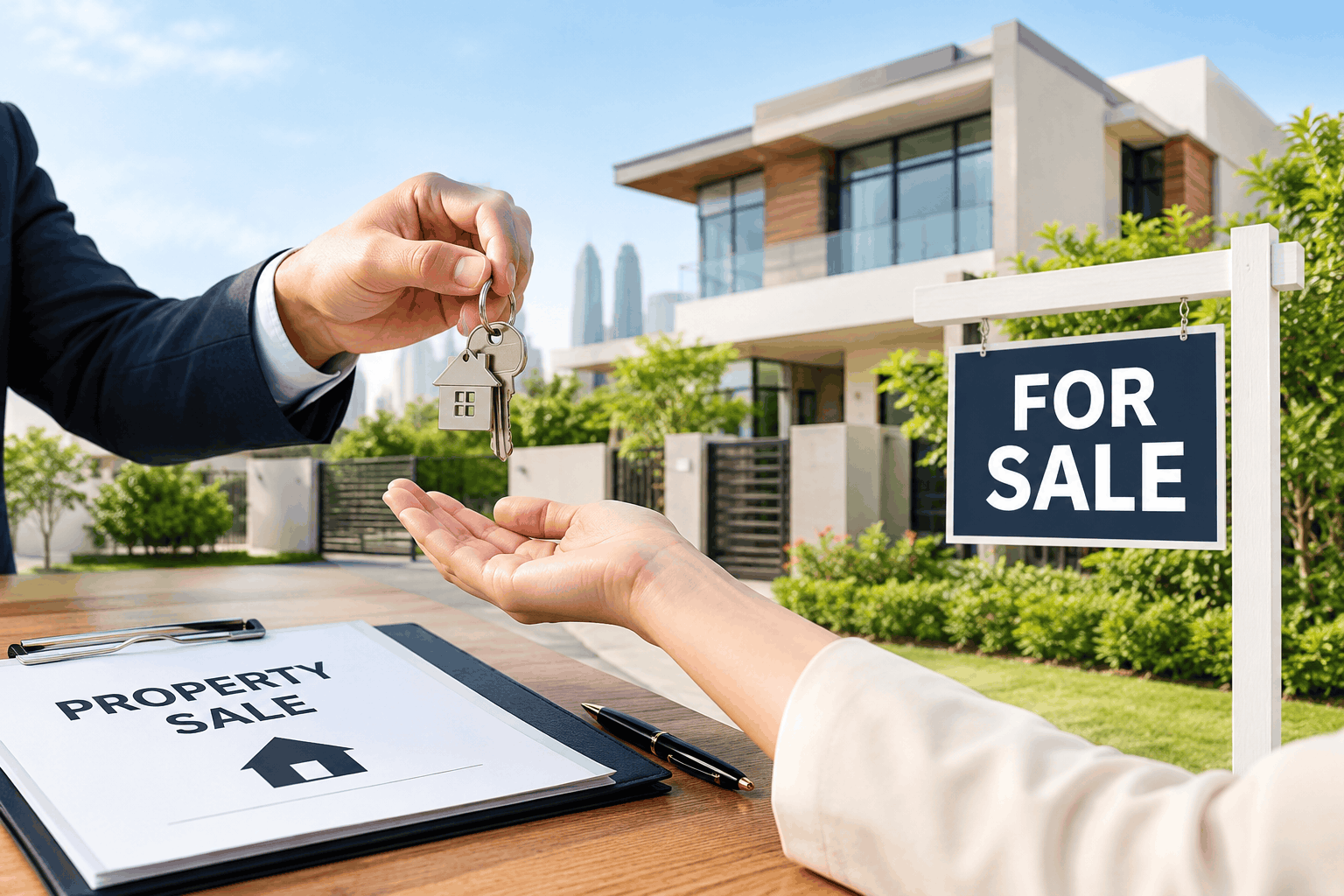
If you want to sell my property fast in Dubai, the single most important decision you will make is the asking price. Price it too high and your listing can sit unnoticed for months, collecting fewer viewings and eventually forcing a larger discount. Price it too low and you may sell quickly but leave real money on the table. The goal is to find the level that attracts serious buyers early while protecting the value of your investment.
Pricing is part data, part strategy, and part honest assessment of your property’s strengths and weaknesses. This guide, prepared by the team at Takween AlDar, explains how sellers in Dubai can set a realistic price, what information to gather, and which mistakes to avoid. Where we mention fees, procedures, or market conditions, please confirm the latest details with official sources such as the Dubai Land Department (DLD) and the Real Estate Regulatory Agency (RERA), because regulations and figures can change. No guide can guarantee a sale time or a specific price, since results depend on the property, the location, and the market at the time.
Why Pricing Matters So Much
In the first few weeks after a property is listed, it typically receives the most attention from buyers and agents. A well-priced listing can make the most of that window. An overpriced one often misses it.
-
Buyers compare quickly: Most buyers research several similar properties online before booking viewings. If yours looks expensive next to comparable units, it may be skipped.
-
Stale listings lose appeal: A property that stays on the market for a long time can raise questions in buyers’ minds, even when the reason is simply the price.
-
Late reductions can cost more: Repeated price drops can signal weakness and weaken your negotiating position.
-
Underpricing has a cost too: Selling much below market value may be quick, but it reduces your return.
Understand What Drives Property Value in Dubai
Before choosing a number, understand the factors that buyers and valuers consider.
-
Location and community: The area, the specific building or street, and proximity to transport, schools, and shopping all matter.
-
Size and layout: Efficient layouts and usable space can matter as much as total square footage.
-
View and floor level: Sea, skyline, or park views, and higher floors, often command a premium.
-
Condition and finishes: Well-maintained or upgraded units may justify a higher price than those needing repairs.
-
Building quality and service charges: High service charges or poor management can reduce buyer interest.
-
Tenancy status: A property with a tenant in place appeals to investors, while a vacant one often appeals to end-users who want to move in.
-
Off-plan or ready: Ready properties and off-plan resales are priced differently, and off-plan resales depend on how much has already been paid.
-
Market conditions: Supply, demand, interest rates, and buyer sentiment all influence what buyers are willing to pay.
Step-by-Step: How to Price Your Property
1. Research Comparable Sales
Look at recent sales of similar properties in the same building or community. Focus on units with a similar size, layout, floor, view, and condition. Recent actual transaction prices are more reliable than advertised asking prices, which may not reflect what buyers actually paid. Ask your agent to share official transaction data and verify it where possible.
2. Review Current Competing Listings
See what is currently listed near you. These are the properties your buyer will compare against yours. If several similar units are priced lower, you will need a strong reason, such as a better view or upgraded finishes, to justify a higher price.
3. Get a Professional Valuation
A valuation from a qualified, accredited valuer or a reputable agent gives you an objective starting point. If a buyer plans to use a mortgage, the bank will also carry out its own valuation, and a sale price that is much higher than the valuation can create a financing gap. Pricing in line with realistic valuations can help avoid delays later.
4. Be Honest About Your Property’s Condition
Walk through your property as a buyer would. Note anything that needs repair, repainting, or deep cleaning. Small improvements often cost less than the discount a buyer would request for the same issues.
5. Decide Your Selling Goal
Your priorities shape your pricing strategy:
-
Speed first: Price slightly below or at the lower end of the market range to attract quick offers.
-
Value first: Price at the upper end and accept a longer time on the market.
-
Balanced approach: Price at a realistic market level, supported by strong presentation and marketing.
6. Leave Sensible Room for Negotiation
Most buyers expect to negotiate. Some sellers add a small buffer to their asking price, but too much can discourage viewings. Discuss with your agent how much flexibility is realistic for your type of property and the current market.
7. Set a Review Plan
Agree in advance when you will review the price. If you receive few viewings, the price or presentation may need adjusting. If you receive many viewings but no offers, buyers may be seeing something they dislike. If offers come in quickly and are close to your asking price, you may have priced at or slightly under the market.
Pricing Strategies Compared
-
Pricing at market value: Attracts steady interest and typically leads to reasonable offers.
-
Pricing slightly below market: Can generate quick interest and sometimes multiple offers, but you risk leaving value behind.
-
Pricing above market: May work in a rising market or for unique properties, but often leads to longer listing times and later reductions.
Special Situations That Affect Pricing
Selling a Mortgaged Property
If you still owe money to a bank, your sale price should cover the outstanding balance and any early settlement charges. Ask your bank for a settlement statement before you set a price, so you know your minimum acceptable figure.
Selling a Tenanted Property
A tenant in place may limit viewings but can appeal to investors who want immediate rental income. Pricing should reflect the current rent and the remaining contract period.
Selling an Off-Plan Property
Off-plan resale pricing usually reflects the amount already paid to the developer plus any premium the market will support. The developer may also require certain payments or permissions before a resale, so check the terms of your contract.
Selling as a Non-Resident
Non-resident owners can sell remotely, often through a power of attorney, but timing and documents need careful planning. Allow for this when setting your expectations on how quickly a sale can complete.
Costs to Consider When Setting Your Price
Your net proceeds matter more than the headline price. Consider the following:
-
Agent commission: Commonly around 2 percent of the sale price, plus VAT where applicable. Confirm the agreed rate in writing.
-
DLD transfer fee: Typically 4 percent of the property value, and who pays it is often negotiated between buyer and seller. Confirm the current rules and the agreement in your contract.
-
Mortgage settlement and early repayment fees: If you have a loan, ask your bank for details.
-
No Objection Certificate (NOC) fees: The developer or owners association may charge a fee to issue the NOC.
-
Trustee office fees: Charged for processing the transfer.
-
Repairs or preparation costs: Cleaning, painting, and small fixes.
Common Pricing Mistakes to Avoid
-
Using emotional or purchase price as the benchmark: Buyers pay for current market value, not what you paid or what you spent on renovations.
-
Relying only on advertised prices: Asking prices are not the same as closing prices.
-
Ignoring service charges and building condition: Buyers factor in ongoing costs.
-
Starting too high with the plan to reduce later: This can lose early momentum.
-
Skipping presentation: Clean spaces, good lighting, and professional photos support your price.
-
Using unlicensed agents: Always verify the agent’s RERA registration and Broker Card, and make sure the listing carries the proper advertising permit.
How Takween AlDar Can Help
Setting the right price is easier with a team that understands the local market and explains each step clearly. At Takween AlDar, we help owners review comparable sales, understand their costs, and decide on a pricing approach that fits their goals. If you are planning to sell my property fast in Dubai, our team can discuss your situation, explain the selling process, and help you prepare your property for the market.
Frequently Asked Questions
Q: How can I sell my property fast in Dubai without cutting the price too much?
A: Price it in line with recent comparable sales, present the property well, and use professional marketing. A realistic price at launch usually attracts more attention than a high price that needs to be reduced later. No approach can guarantee a specific timeline or price.
Q: How do I find out the right price for my property in Dubai?
A: Start with recent transaction data for similar units, review current competing listings, and consider a professional valuation. Your agent can help you interpret the data and adjust for views, floor level, and condition.
Q: Should I price my property slightly above market to leave room for negotiation?
A: A small buffer can be reasonable, but overpricing can reduce early interest and lead to longer listing times. Discuss with your agent how much flexibility suits your property and current market conditions.
Q: Does a bank valuation affect my sale price?
A: If the buyer is using a mortgage, the bank will carry out a valuation. If it comes in lower than the agreed price, the buyer may need to cover the difference or the price may need to be renegotiated. Pricing realistically can help avoid delays.
Q: What costs will reduce my final proceeds when selling?
A: Common costs include agent commission, any mortgage settlement fees, NOC fees, trustee office fees, and preparation costs. The DLD transfer fee is often negotiated between buyer and seller. Ask for a written breakdown before you accept an offer.
Q: Can I sell a mortgaged property in Dubai?
A: Yes. The outstanding loan is usually settled from the sale proceeds, and your bank can provide a settlement statement. Check the process and any early repayment charges with your bank before listing.
Q: How long does it take to sell a property in Dubai?
A: It varies depending on the price, location, property type, and market conditions. Well-priced and well-presented properties often attract interest sooner, but no one can guarantee a timeline. The paperwork and transfer stage also take time after an offer is accepted.
Conclusion
Pricing is the foundation of a successful sale. By researching comparable sales, getting an objective valuation, being honest about your property’s condition, and understanding your net costs, you can set a price that attracts serious buyers without sacrificing value. If you want to sell my property fast in Dubai and would like clear, practical guidance, contact Takween AlDar to discuss your plans and explore your options.
- Managerial Effectiveness!
- Future and Predictions
- Motivatinal / Inspiring
- Fitness and Wellness
- Medical & Health
- Manufacturing
- Education
- Real-Estate
- Food Industry
- Hospitality
- Online Games
- Sports
- Home Services
- Civil Engineering
- Safety and Protection
- Software Products & Services
- Fashion and Jewellery
- Artificial Intelligence
- Entrepreneurship
- Mentoring & Guidance
- Marketing
- Networking
- HR & Recruiting
- Literature
- Shopping
- Career Management & Advancement