

 SkillClick
Create Lasting Business Appeal With Expert Commercial Hardscape Installation
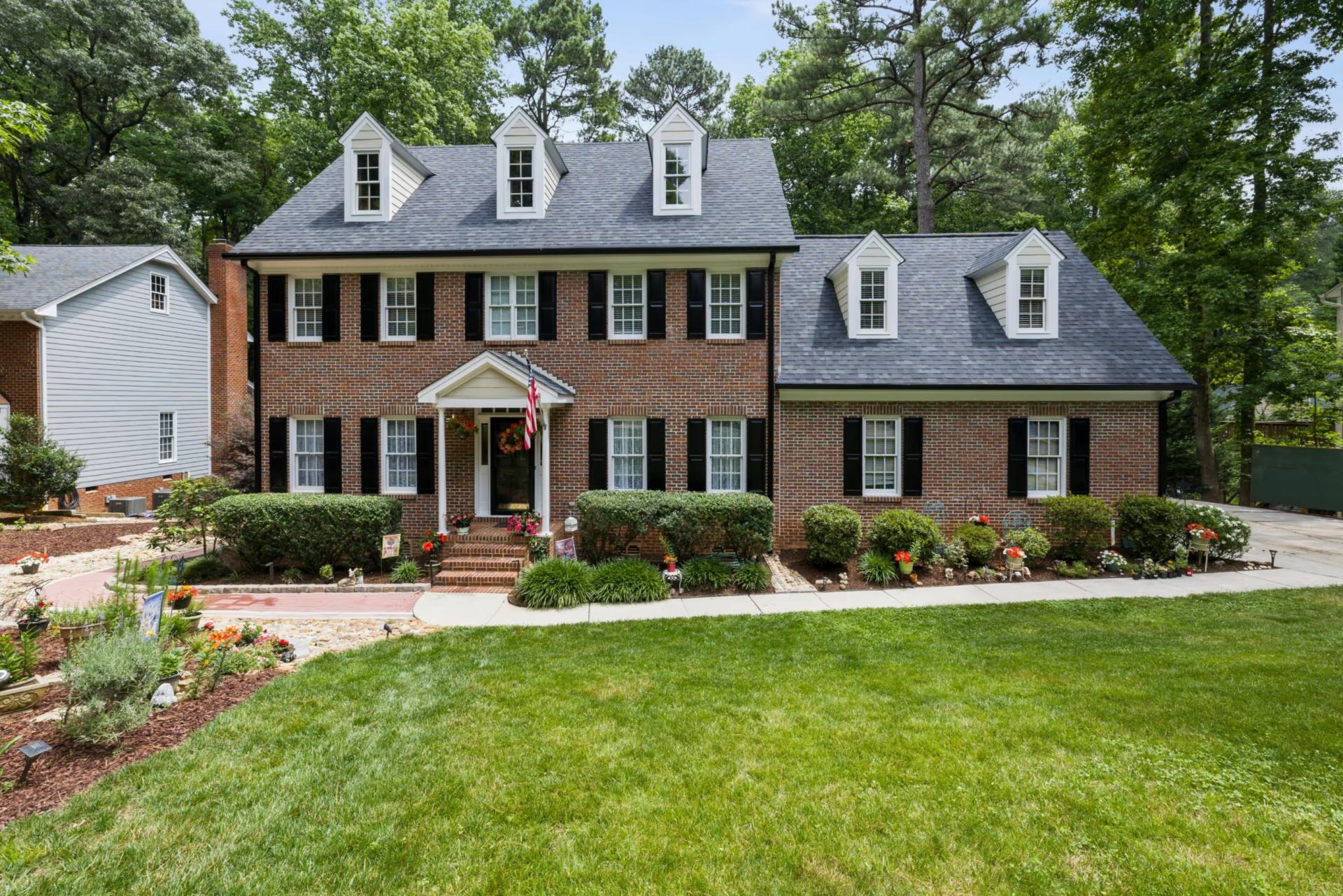
A commercial property's outdoor space plays an important role in how people experience the business. Clear walkways, attractive entrances, paved courtyards, and comfortable outdoor areas can make a property easier to navigate and more welcoming to visitors. When these features are planned carefully, they can also support daily operations and reduce common maintenance concerns.
Professional hardscape build and installation helps businesses turn ordinary outdoor areas into useful, organized spaces. From installing new paving to building retaining walls and creating outdoor gathering areas, hardscaping combines practical construction with thoughtful design.
For commercial property owners, the goal is not simply to improve appearance. A successful project should also consider safety, drainage, accessibility, durability, and the needs of people who use the property every day.
What Makes Commercial Hardscaping Important?
Hardscaping refers to the solid features of an outdoor landscape. These may include concrete surfaces, brick pathways, stone patios, retaining walls, steps, paved entrances, and outdoor seating areas. Unlike grass and plants, these features provide structure and create defined spaces for different activities.
Commercial properties often experience regular foot traffic, deliveries, and vehicle movement. Their outdoor features must be designed to handle these demands while remaining safe and presentable.
For example, a shopping center may need wide walkways that connect parking areas to store entrances. An office building may benefit from a paved courtyard where employees can take breaks. A restaurant may require a durable patio that provides additional seating during suitable weather.
The best design depends on how the property operates. By identifying the main purpose of each area before construction begins, property owners can invest in features that offer practical value.
Benefits of Professional Hardscape Build and Installation
Improve the First Impression
The exterior of a business can influence how visitors view the property. Broken pavement, uneven paths, and poorly defined entrances may create an impression of neglect. Clean surfaces and organized outdoor features can make the property look more professional.
Hardscaping can also help establish a consistent appearance. Materials that complement the building's exterior can connect the entrance, walkways, and outdoor seating areas into one coordinated design.
A welcoming entrance should be attractive without making movement difficult. Clear paths, suitable lighting, and enough room for pedestrians can help visitors reach their destination comfortably.
Make Outdoor Areas More Useful
Some commercial properties have outdoor spaces that receive little attention because they lack a clear purpose. Hardscaping can help turn these areas into useful extensions of the building.
A paved courtyard can provide room for outdoor meetings, while a designated seating area can offer employees a place to relax during breaks. Businesses with larger properties may use hardscape features to separate pedestrian areas from service routes or vehicle access points.
Planning these spaces around real activities helps prevent wasted space. It also makes the property easier to manage as the needs of the business change.
Support Safety and Accessibility
Safe outdoor movement is essential for employees, customers, delivery workers, and other visitors. Loose pavers, damaged concrete, sudden changes in surface height, and standing water can create hazards.
Professional installation helps address these concerns through proper preparation, stable surfaces, and carefully planned transitions. Ramps, entrances, slopes, and accessible routes should follow applicable local codes and accessibility standards.
Hardscape layouts should also consider the relationship between pedestrians and vehicles. Separating walking routes from loading or parking areas where practical can make busy commercial spaces easier to navigate.
Choosing the Right Materials for Commercial Projects
Material selection affects appearance, durability, maintenance, and project costs. Before choosing a surface, property owners should consider how the area will be used, the amount of traffic it receives, and the weather conditions it must withstand.
Concrete for Everyday Business Needs
Concrete is often used for sidewalks, entrances, service paths, and larger paved sections. It provides a simple, clean appearance and can support many types of commercial activity when properly designed and installed.
The finished surface depends on the condition of the ground, the required thickness, and correct placement of joints. Concrete can crack when the supporting ground moves or when installation is unsuitable for the conditions.
Drainage should also be considered during planning. Water that collects around concrete surfaces may contribute to damage and create slippery conditions.
Pavers for Flexible Design
Pavers offer a range of shapes, colors, patterns, and textures. They can be used to create distinctive walkways, patios, courtyards, and entrance areas.
Another advantage is that individual pavers can often be removed and replaced if a section becomes damaged or access to underground utilities is required. However, the supporting base must be prepared properly to reduce shifting and uneven surfaces.
For commercial properties, the selected pavers should be suitable for the expected traffic and provide adequate traction for their intended use.
Natural Stone for a Distinctive Appearance
Natural stone can bring texture and visual interest to outdoor spaces. It may be suitable for decorative pathways, gathering areas, entrance features, and selected seating spaces.
Different types of stone vary in strength, surface texture, and resistance to weather. Some finishes are more suitable for wet areas than others, so material selection should reflect local conditions and safety requirements.
Property owners should also consider cleaning needs and replacement costs before making a final decision.
Planning a Commercial Landscape Hardscaping Service
A commercial landscape hardscaping service should begin with a clear understanding of the property's layout and the owner's goals. Proper planning helps reduce construction problems and ensures that the finished space serves a practical purpose.
Start With a Detailed Site Assessment
The site assessment should examine ground conditions, slopes, drainage patterns, existing structures, and access points. Utility locations may also need to be identified before excavation begins.
This stage can reveal issues that may affect the project. For instance, a low section of ground may collect rainwater, while an existing narrow path may not provide enough room for regular foot traffic.
Identifying these concerns early allows the design to address them before construction starts.
Create a Practical Layout
A good layout connects important areas without making the property feel crowded. Walkways should lead naturally toward entrances, seating areas should allow comfortable movement, and paved spaces should be large enough for their intended use.
The design should also consider landscaping features such as trees, shrubs, and planted beds. Combining hard surfaces with greenery can create a balanced outdoor environment while preserving room for movement and maintenance.
Property owners should discuss their priorities with the service provider before approving the final plan.
Prepare the Ground and Manage Water
Ground preparation is one of the most important parts of hardscape build and installation. Depending on the project, the work may include removing old surfaces, grading the site, compacting the soil, and installing a suitable base.
Drainage needs careful attention throughout the process. Water should flow away from building foundations and should not collect along walkways or entrances. Poor drainage can weaken the ground beneath paved surfaces, cause erosion, and lead to repairs.
Complete Installation and Inspection
After the ground has been prepared, the selected materials can be installed according to the approved design. Surface levels, joints, edges, and transitions between different materials should be checked during construction.
A final inspection should identify uneven sections, drainage concerns, loose materials, and other problems that need correction. The property owner should also receive clear information about cleaning and maintenance requirements.
What to Look for When Hiring a Hardscaping Provider
Choosing a provider requires more than comparing prices. Businesses should understand what each proposal includes and whether the provider can meet the property's practical requirements.
Consider these factors when reviewing a commercial hardscaping proposal:
-
Commercial experience: Ask about previous projects involving similar property sizes, traffic levels, and construction requirements.
-
Clear pricing: Review the scope of work, material costs, site preparation, schedule, and possible additional expenses.
-
Material recommendations: Look for explanations of durability, maintenance, appearance, and suitability for the intended use.
-
Drainage and accessibility: Confirm that water management, safe pedestrian movement, and applicable requirements are part of the planning process.
-
Project communication: Discuss how construction may affect building access, customers, employees, and deliveries.
Written estimates make it easier to compare providers and understand what is included. Questions about warranties, repair responsibilities, and ongoing care should be addressed before work begins.
Avoiding Common Hardscaping Problems
Do Not Ignore Drainage
Poor drainage can affect both the appearance and stability of a hardscape. Standing water may create slippery surfaces, damage supporting materials, and contribute to erosion.
Drainage should be included in the original plan rather than treated as an issue to solve after construction.
Do Not Choose Materials Based Only on Cost
A low initial price may not provide the best value if the selected materials are unsuitable for heavy use or local weather. Property owners should compare expected durability, installation quality, and maintenance requirements.
Establish a Regular Maintenance Routine
Even properly installed surfaces require care. A simple maintenance routine should include these tasks:
-
Sweep walkways and remove leaves, dirt, and loose debris.
-
Inspect paved areas for cracks, loose pavers, and uneven sections.
-
Keep drains and drainage channels clear.
-
Clean stains with products suitable for the installed material.
-
Repair damaged joints and address standing water promptly.
Regular inspections help property managers identify concerns before they develop into larger repair projects.
Maintaining Commercial Hardscape Features Over Time
Maintenance needs depend on the material, weather, traffic, and purpose of each area. Busy entrances may require frequent cleaning, while decorative courtyards may need less attention.
Property managers should schedule periodic inspections and review surfaces after heavy rainfall. Changes such as shifting pavers, new cracks, or standing water may indicate that repairs are necessary.
Following suitable cleaning methods and addressing minor damage early can help preserve the property's appearance. A consistent maintenance plan also makes it easier to budget for future repairs and keep outdoor areas ready for daily use.
Conclusion
Well planned commercial hardscaping can improve the appearance, safety, and usefulness of business properties. Careful design, suitable materials, proper site preparation, and effective drainage all contribute to outdoor spaces that support everyday activities.
Whether a property needs new walkways, a paved courtyard, an improved entrance, or a complete outdoor upgrade, choosing an experienced provider can help make the project more manageable. Kingswood Landscape can help businesses explore hardscape build and installation options and commercial landscape hardscaping service solutions that reflect their property's needs, intended use, and maintenance goals.
- Managerial Effectiveness!
- Future and Predictions
- Motivatinal / Inspiring
- Fitness and Wellness
- Medical & Health
- Manufacturing
- Education
- Real-Estate
- Food Industry
- Hospitality
- Online Games
- Sports
- Home Services
- Civil Engineering
- Safety and Protection
- Software Products & Services
- Fashion and Jewellery
- Artificial Intelligence
- Entrepreneurship
- Mentoring & Guidance
- Marketing
- Networking
- HR & Recruiting
- Literature
- Shopping
- Career Management & Advancement