

 SkillClick
Affordable Engagement Rings Under $1000: How to Compare Ring Profiles and Band Thickness
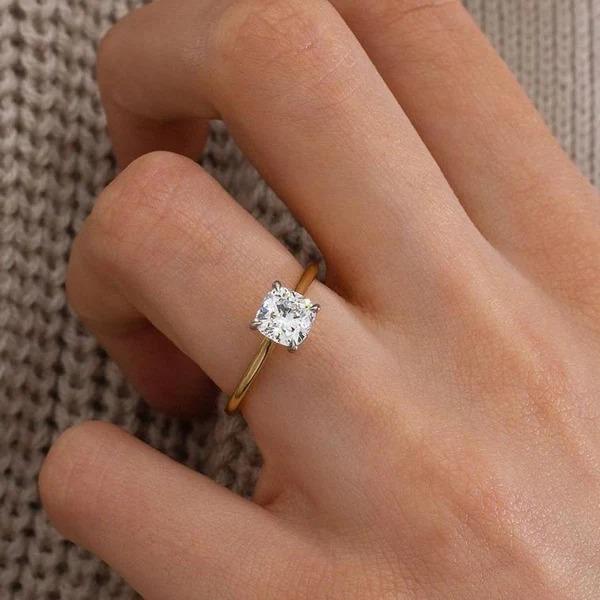
Why Ring Shape and Band Thickness Matter
Choosing an engagement ring involves more than picking a center stone. The way the ring sits on your finger and the thickness of its band can change how it looks, feels, and holds up during everyday activities. A ring may look beautiful in a product photo but feel uncomfortable when you wear it for several hours.
When shopping for a ring with a limited budget, these details deserve extra attention. You want something that suits your taste, feels comfortable, and fits your daily routine without requiring you to spend more than planned.
Understanding ring profiles and band thickness can also help you compare different designs with confidence. Instead of choosing a ring based only on its center diamond, you can look at the complete setting and decide which features matter most to you.
What Is a Ring Profile?
A ring profile describes the shape of the ring's band or how the setting sits above the finger. These details influence comfort, appearance, and the way the ring fits alongside other jewelry.
Low-Profile Rings
A low-profile ring sits closer to the finger, with the center stone positioned relatively near the band. This design can be practical for people who use their hands frequently or prefer jewelry that does not catch easily on clothing.
Low-profile settings can also feel convenient when putting on gloves or carrying out everyday tasks. However, the exact comfort depends on the setting, stone shape, and overall construction. Check whether the design leaves enough room for a wedding band if you plan to wear both rings together.
High-Profile Rings
A high-profile ring holds the center stone farther above the finger. This arrangement can make the diamond more noticeable from the side and provide space for certain setting styles.
The trade-off is that a raised stone may catch on sweaters, hair, or pockets. If you like this appearance, inspect the prongs and the structure supporting the center stone. A well-designed setting should hold the diamond securely without making the ring unnecessarily awkward to wear.
Curved and Rounded Band Profiles
Some bands have rounded outer surfaces, while others feature flatter tops and more defined edges. Rounded bands may feel smooth against the neighboring fingers, whereas flatter bands can create a more structured appearance.
Neither option is automatically better. Try to identify which shape feels natural on your hand, especially if you are buying a ring that you expect to wear every day.
How Band Thickness Changes a Ring's Appearance
Band thickness affects the balance between the center stone and the metal surrounding it. A narrow band can make a center diamond appear more prominent, while a wider band creates a stronger visual presence.
Thin Bands for a Delicate Look
Thin bands are often chosen by people who prefer a light, simple design. They can work well with solitaire settings and certain smaller center stones, allowing the diamond to remain the main focus.
However, a very thin band may be less suitable for someone who frequently puts pressure on their hands. Its durability depends on the metal, design, construction, and actual measurements. Before buying, check the listed band dimensions instead of relying on words such as thin or delicate.
Medium-Width Bands for Everyday Balance
A medium-width band offers a middle ground between a narrow appearance and a heavier design. It can provide enough visual presence to balance a larger center stone without making the ring look overly wide.
This option may suit people who want a ring that feels noticeable but remains easy to pair with other jewelry. Compare the band width near the center setting as well as along the bottom of the ring, because some designs taper from one area to another.
Wider Bands for a Stronger Appearance
Wider bands create a more substantial look and may appeal to people who prefer bold jewelry. They can also provide more room for decorative details, depending on the design.
Keep in mind that a wider band covers more of the finger and may feel different from a narrow band in the same ring size. If possible, try on similar widths before making your decision.
How to Compare Ring Profiles Within Your Budget
When comparing diamond engagement rings under $1000, start by deciding how you want the ring to feel during normal daily activities. Think about your work, hobbies, clothing, and the types of tasks you regularly perform.
Next, compare the setting height, band measurements, center stone, and metal type. These details can help you understand why two rings with similar prices may offer different practical benefits.
If you prefer a ring that stays close to the finger, focus on lower settings and designs with fewer exposed edges. If you like a raised center stone, check how securely it is supported and whether its height suits your routine.
It is also worth looking beyond the center diamond. The quality of the setting, the finish of the band, and the security of the stone all contribute to the ring's overall value.
Finding a Distinctive Ring Without Overspending
A limited budget does not mean you have to settle for a design that feels ordinary. Small details can give a ring its own character, even when the setting is relatively simple.
For example, a tapered band can draw attention toward the center stone. A bezel setting surrounds the diamond with metal, while side stones can add detail along the shoulders. Twisted bands and vintage-inspired settings offer other ways to create a different look.
When comparing unique engagement rings under $1000, decide which design feature matters most to you. You might prefer an unusual band shape, a distinctive diamond cut, or a setting that sits differently on the finger. Choosing one or two priorities can make the search easier and help you avoid paying for details you do not really want.
You can also compare lab-grown diamonds with other available diamond options, paying attention to the stone's specifications, setting materials, and certification where applicable. Look at the complete ring rather than judging its value from the center stone alone.
For shoppers who want to compare styles and prices in one place, Antiquecut offers engagement ring designs worth exploring as part of your research.
A Simple Checklist Before Buying
Before making your final choice, review these practical points:
-
Check the band width: Confirm the measurements in millimeters rather than relying on product descriptions alone.
-
Consider the setting height: Decide whether a low or raised profile suits your daily activities.
-
Review the metal: Compare the available metal types and their care requirements.
-
Inspect the stone setting: Look for clear information about prongs, bezels, and the way the center diamond is secured.
-
Think about a wedding band: Check whether another ring can sit comfortably beside the engagement ring.
-
Read the product details: Review the ring size, return policy, warranty terms, and available certification information before ordering.
These checks can prevent disappointment and make it easier to choose a ring that fits both your preferences and your budget.
Choose a Ring That Feels Right for You
The best engagement ring is not necessarily the one with the largest diamond or the thinnest band. It is the one that matches your personal taste, feels comfortable on your finger, and suits the way you live.
Take time to compare the ring's profile, band thickness, setting, and overall construction. A few careful checks can help you avoid a design that looks appealing online but feels inconvenient after a full day of wear.
When you are ready to compare styles, Explore Products for engagement rings under $1000 and focus on designs that balance appearance, comfort, and practical value.
- Managerial Effectiveness!
- Future and Predictions
- Motivatinal / Inspiring
- Fitness and Wellness
- Medical & Health
- Manufacturing
- Education
- Real-Estate
- Food Industry
- Hospitality
- Online Games
- Sports
- Home Services
- Civil Engineering
- Safety and Protection
- Software Products & Services
- Fashion and Jewellery
- Artificial Intelligence
- Entrepreneurship
- Mentoring & Guidance
- Marketing
- Networking
- HR & Recruiting
- Literature
- Shopping
- Career Management & Advancement