

 SkillClick
The Changing Role of Offices in Hybrid Workplaces
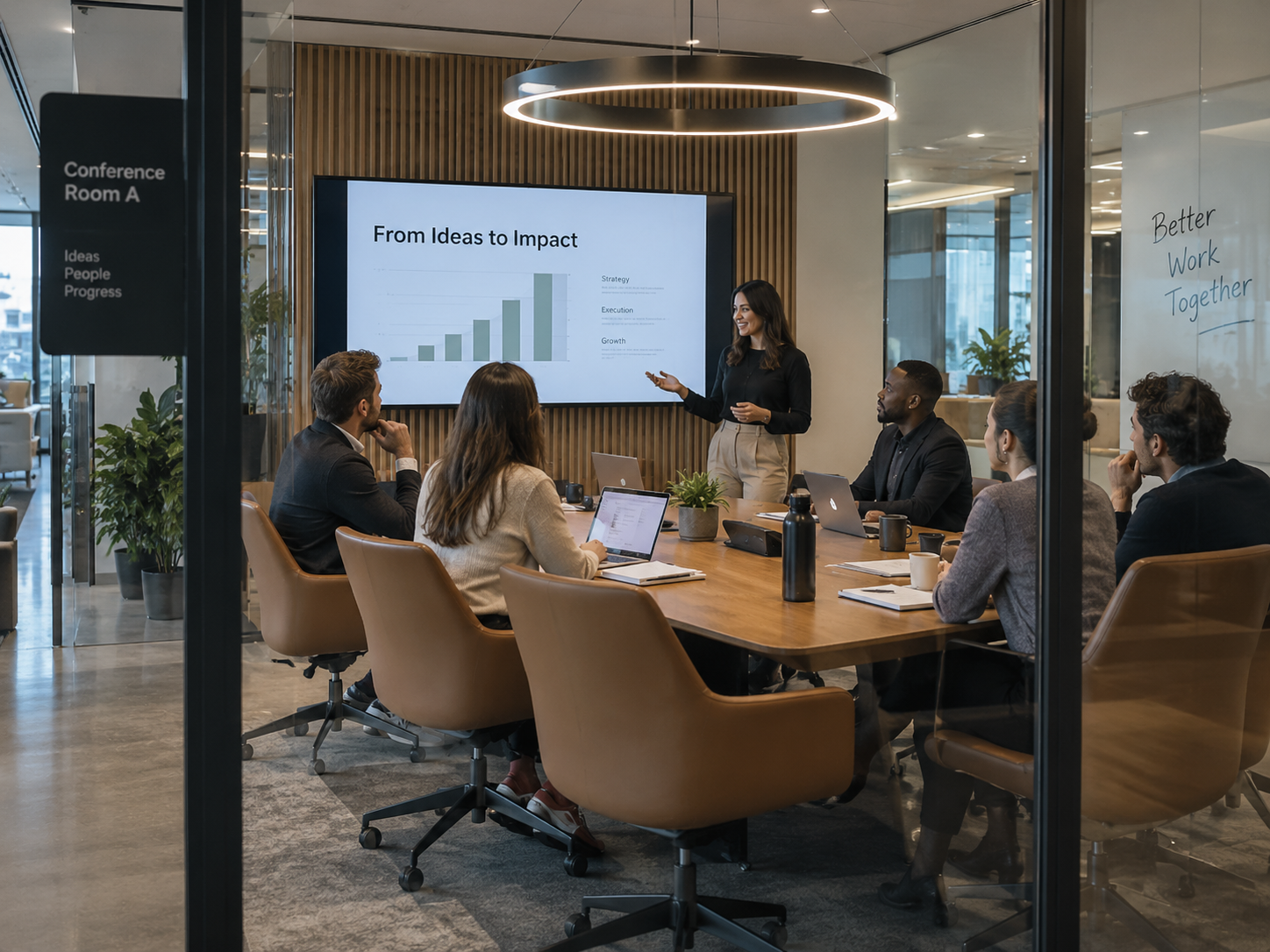
The traditional office was once the primary place where employees completed their daily tasks, attended meetings, and collaborated with colleagues. Hybrid work has changed that expectation. Many businesses now divide work between home and the office, making flexibility an important part of workplace planning.
Rather than serving as a place employees must visit every day, the modern office increasingly provides an environment for teamwork, client discussions, training, and activities that benefit from face-to-face interaction. This shift is changing how businesses design, manage, and use their workspaces.
Offices Are Becoming Collaboration Hubs
When employees can complete focused tasks remotely, office visits often become more purposeful. Teams may come together to discuss projects, solve problems, share ideas, or make decisions that are easier to handle through direct conversation.
Businesses can support this shift by creating spaces suited to different activities. Meeting rooms help teams discuss confidential matters, while open collaboration areas encourage informal conversations. Quiet zones can accommodate employees who need concentration during an office visit.
For example, a marketing team might work remotely for much of the week but meet in person to review campaign performance, plan upcoming projects, and coordinate responsibilities. An office designed around these activities can make shared time more productive.
Flexible Scheduling Requires Better Space Planning
Hybrid workplaces need to accommodate employees whose attendance varies throughout the week. If everyone has an assigned desk but only some employees visit on a given day, valuable office space may remain unused.
Businesses can respond by reviewing attendance patterns and matching workspace availability to actual demand. Desk-sharing systems, bookable meeting rooms, and flexible seating arrangements can help organizations use their facilities more efficiently.
Clear communication is equally important. Teams should know which days require in-person attendance, when meeting rooms are available, and how to reserve a workspace. Well-organized hybrid schedules can help employees coordinate office visits around collaborative tasks while preserving flexibility for individual work.
The objective is not simply to reduce office space. It is to make the available environment useful for the people who need it and the work they are expected to complete.
Technology Connects In-Person and Remote Employees
A hybrid workplace depends on technology that allows employees to participate regardless of location. Video conferencing, shared documents, project management platforms, and instant messaging help teams maintain continuity between office and remote work.
Meeting rooms should support both in-person discussions and remote participation. Reliable internet access, suitable audio equipment, cameras, and displays can reduce technical interruptions and help remote colleagues contribute equally.
Businesses should also establish consistent communication practices. Meeting notes, clear task assignments, and accessible project updates prevent important decisions from remaining limited to conversations held in the office.
Technology is most effective when employees understand how and when to use it. Regular training and straightforward guidelines can reduce confusion and support smoother collaboration.
Employee Experience Remains a Priority
Flexible work arrangements can give employees greater control over their time, but they also introduce challenges. Some workers may feel disconnected from colleagues, while others may struggle to separate professional responsibilities from home life.
The office can help address these concerns by providing opportunities for social interaction, mentoring, team discussions, and informal knowledge sharing. New employees, in particular, may benefit from in-person guidance and regular contact with experienced colleagues.
Businesses should also avoid treating physical attendance as the only measure of commitment. Clear goals, meaningful feedback, and fair performance assessments help employees understand how their contributions are evaluated, regardless of where they work.
A supportive workplace recognizes that different tasks and employees may require different arrangements.
Office Design Must Support Multiple Work Styles
Hybrid work has increased the importance of designing offices for varied activities instead of assigning every employee the same type of workstation.
A practical office may include private rooms for confidential calls, shared tables for collaborative projects, quiet areas for concentrated work, and comfortable spaces for informal discussions. The right balance depends on the size of the organization, its industry, and how employees use the office.
Businesses should gather employee feedback before making major design changes. Observing which spaces are frequently used and which remain empty can also reveal opportunities to improve the layout.
Smaller companies may benefit from flexible workspaces that provide access to desks and meeting facilities without requiring them to maintain a large permanent office. This can be especially useful when team sizes or attendance patterns change over time.
Measuring the Value of Office Space
As office use evolves, businesses need to evaluate whether their workspaces support their goals. Useful indicators include meeting room utilization, employee feedback, collaboration quality, attendance patterns, and the cost of maintaining facilities.
These measures should be considered together. Low daily attendance does not automatically mean an office lacks value if employees use it for important planning sessions, client meetings, or team development.
Regular reviews can help organizations adjust their workspace strategy as business needs change. Leaders should also consider accessibility, commuting demands, and the practical needs of employees before changing office policies.
The Office Will Continue to Evolve
Hybrid work has not removed the need for offices. Instead, it has changed the reasons employees use them. Modern workplaces increasingly need to provide reliable technology, flexible layouts, meaningful opportunities for collaboration, and an environment that supports different working styles.
Businesses that plan around employee needs and specific work activities can make better use of their office space. With thoughtful scheduling, suitable facilities, and clear communication, the office can remain an important part of a flexible and productive workplace.
- Managerial Effectiveness!
- Future and Predictions
- Motivatinal / Inspiring
- Fitness and Wellness
- Medical & Health
- Manufacturing
- Education
- Real-Estate
- Food Industry
- Hospitality
- Online Games
- Sports
- Home Services
- Civil Engineering
- Safety and Protection
- Software Products & Services
- Fashion and Jewellery
- Artificial Intelligence
- Entrepreneurship
- Mentoring & Guidance
- Marketing
- Networking
- HR & Recruiting
- Literature
- Shopping
- Career Management & Advancement