

 SkillClick
How Worn Garage Door Rollers Affect Daily Operation
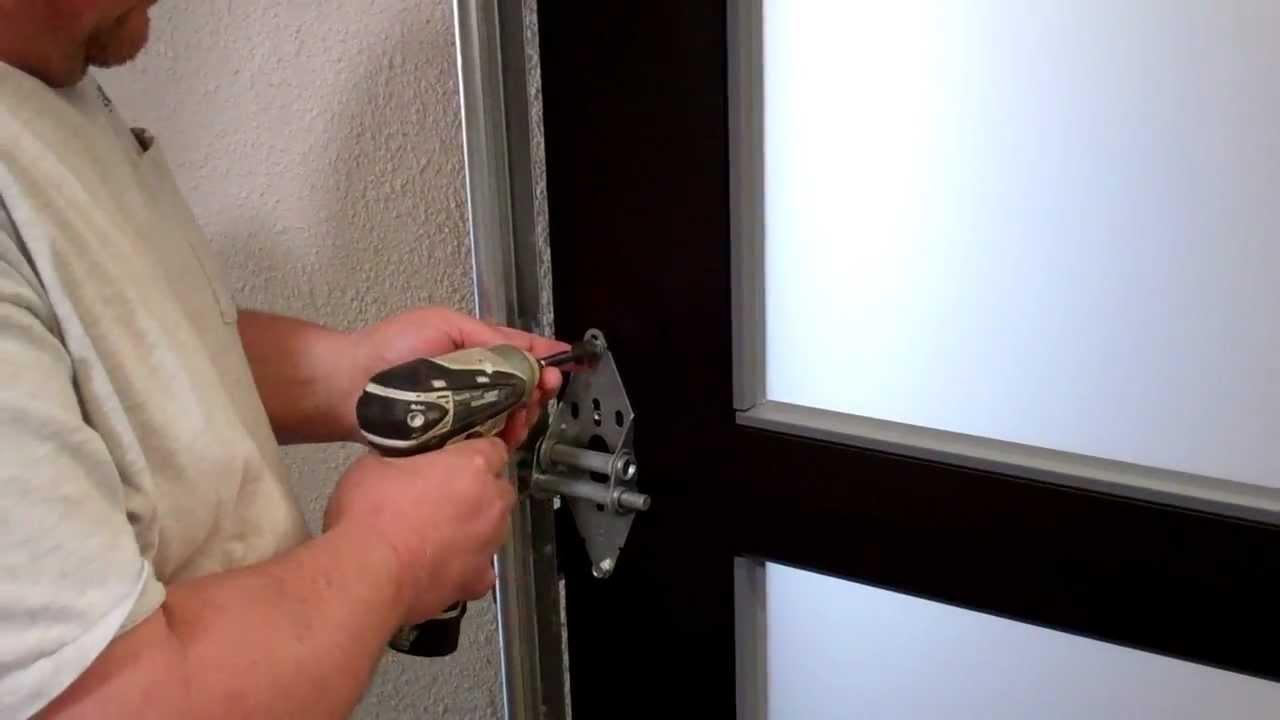
A garage door should open and close with steady movement and minimal noise. When it begins squeaking, shaking, or moving unevenly, worn rollers may be one of the causes. These small components play an important role in guiding the door along its tracks, and their condition can affect the performance of the entire system.
Rollers experience repeated movement every time a garage door operates. Over time, dirt, moisture, friction, and normal wear can affect how smoothly they turn. Recognizing early warning signs can help homeowners address problems before the door becomes difficult to use.
Regular garage door maintenance can also help identify damaged rollers and other worn components before they interfere with everyday routines.
What Garage Door Rollers Actually Do
Garage door rollers connect the door panels to the track system. As the door moves, the rollers travel through the tracks and help guide the door along its opening and closing path.
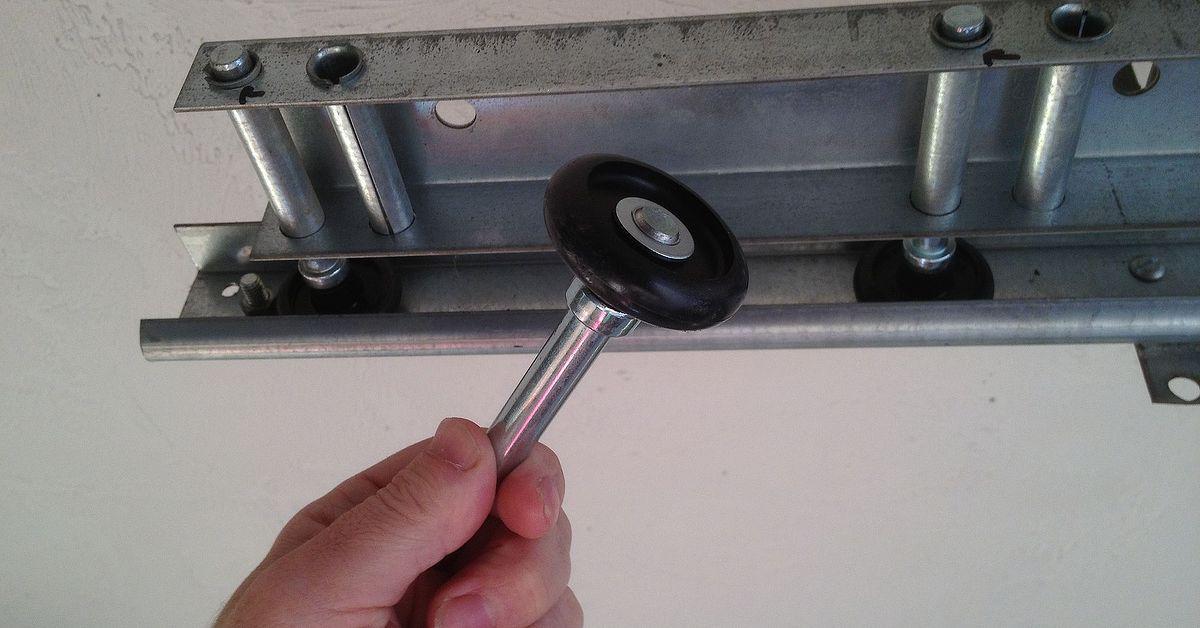
Most residential garage doors use rollers with wheels attached to stems. The wheels may be made from nylon or steel, depending on the door's design and the manufacturer's specifications.
Nylon rollers are often selected for their quieter operation, while steel rollers are known for their strength. However, the best option depends on the garage door system, its weight, track design, and compatibility requirements.
Rollers must fit correctly and move freely. If they become damaged or worn, the door may no longer travel smoothly through the tracks.
Warning Signs of Worn Rollers
Roller problems often develop gradually. Paying attention to changes in the door's movement can help homeowners recognize when an inspection may be necessary.
Unusual Noise During Operation
Squeaking, rattling, grinding, or repeated clicking may indicate worn rollers or another mechanical issue. Dirt buildup and insufficient lubrication on compatible moving parts can also contribute to noise.
Noise alone does not confirm that rollers need replacement. A technician can inspect the tracks, hinges, bearings, and other hardware to identify the source.
Shaking or Jerky Movement
A properly functioning garage door should move along its tracks without excessive shaking. Worn wheels, damaged bearings, or rollers that no longer turn freely can make the door move unevenly.
If the door suddenly jerks, tilts, or struggles to travel, stop operating it and arrange a professional inspection. Continuing to use a door with a mechanical fault may cause additional damage.
Visible Wear or Cracks
A visual inspection from a safe distance may reveal chipped wheels, cracks, corrosion, or rollers that appear badly worn. These signs suggest that the components should be checked by a qualified technician.
Never place your hands near moving rollers or attempt to remove them while the door is connected to its lifting system.
Slower Opening and Closing
Roller problems may increase friction and interfere with normal movement. However, slow operation can also result from opener issues, track damage, or problems with the door's balance.
A full-system inspection is more reliable than replacing parts based on a single symptom.
Why Rollers Wear Out Over Time
Garage door rollers are exposed to repeated movement and environmental conditions. Their lifespan depends on the material, frequency of use, maintenance, and overall condition of the door system.
Frequent Daily Use
A household that opens and closes its garage door several times a day puts more operating cycles on its rollers than a household that uses it occasionally. Repeated movement gradually wears down wheels and bearings.
High usage does not automatically mean rollers need immediate replacement. Regular inspections can help determine whether the components remain in suitable condition.
Dirt and Debris
Dust, small particles, and debris around the tracks may interfere with smooth movement. Dirt can also collect around accessible roller surfaces and contribute to noise or friction.
Keeping the track area clear helps reduce unnecessary interference. Avoid applying grease or other products directly inside the tracks unless the manufacturer specifically recommends it.
Moisture and Corrosion
Garages exposed to moisture may experience corrosion on metal components. Rust can affect roller stems, bearings, and related hardware, depending on the material and exposure.
Maintaining a reasonably dry garage and addressing water intrusion can help protect the overall door system.
Incorrect Installation or Alignment
Rollers that are unsuitable for the door or installed incorrectly may not travel as intended. Track alignment and door balance also influence how much stress the rollers experience.
If a door repeatedly develops roller problems, a technician should examine the wider system instead of focusing only on the damaged parts.
Different Types of Garage Door Rollers
Choosing replacement rollers requires more than selecting a wheel that appears to fit. The component must match the door's design and operating requirements.
Nylon rollers: These are commonly used when quieter operation is preferred. Quality and construction vary, so compatibility and load requirements matter.
Steel rollers: These provide a durable option for many systems but may produce more operating noise depending on their design and the condition of the surrounding hardware.
Sealed-bearing rollers: Some rollers include sealed bearings designed to protect internal components from contaminants and reduce maintenance needs. Their suitability depends on the specific garage door system.
Homeowners should check the manufacturer's specifications or ask a technician to recommend a compatible replacement. Roller diameter, stem dimensions, bearing design, and load capacity may all affect the choice.
When Replacement Is Better Than Continued Use
Not every noisy roller requires immediate replacement, but visibly damaged or poorly functioning components should not be ignored. A technician can determine whether cleaning, appropriate maintenance, adjustment, or replacement is the safest option.
Professional Garage Door Roller Replacement in Rowlett TX may be appropriate when rollers are cracked, excessively worn, seized, or no longer travel smoothly through the tracks.
During an inspection, a technician may also check:
-
Track alignment and condition.
-
Door hinges and mounting hardware.
-
Roller stems and bearings.
-
Spring and cable condition.
-
Opener performance and door movement.
This wider inspection helps identify related problems that could affect the performance of newly installed rollers.
Garage door systems use heavy panels and high-tension lifting components. Removing rollers can be hazardous when the door is under load or its position is unstable. Replacement should therefore be handled by a trained professional rather than attempted as a casual home repair.
How Professional Replacement Helps
A professional replacement service begins by examining the door's condition and confirming which rollers are suitable for the system. The technician can identify whether the problem is limited to the rollers or connected to track alignment, hinges, or other hardware.
After the appropriate components are installed, the system can be checked for smooth travel, unusual noise, and proper operation. Any related issues may need separate attention before the door is considered safe to use.
Replacing worn rollers may reduce operating noise and improve movement when the rollers are the source of the problem. However, it will not correct every cause of poor performance. Damaged tracks, unbalanced doors, and faulty openers require their own diagnosis.
Homeowners should ask which components need attention and whether any additional repairs are recommended. Clear explanations make it easier to prioritize necessary work and avoid replacing parts without a confirmed reason.
Simple Habits That Help Extend Roller Life
Routine observation and basic maintenance can help homeowners notice wear before it becomes disruptive.
-
Listen for changes in noise during normal operation.
-
Keep stored items away from the door tracks.
-
Remove loose debris from the surrounding area.
-
Follow the manufacturer's maintenance instructions.
-
Arrange an inspection if the door shakes or moves unevenly.
-
Avoid operating the door when a roller appears displaced or damaged.
Do not try to straighten a bent track, remove a roller, or adjust the spring system without appropriate training. If the door becomes crooked, jams, or starts moving unpredictably, stop using it and contact a qualified technician.
Conclusion
Garage door rollers may be small, but they are essential to smooth and consistent door movement. Wear, dirt, moisture, and alignment problems can gradually affect their performance and create additional strain on the system.
Recognizing unusual noise, visible damage, or uneven movement gives homeowners an opportunity to arrange an inspection before the problem worsens. With compatible replacement parts, professional installation, and routine maintenance, a garage door can continue operating more smoothly and reliably.
- Managerial Effectiveness!
- Future and Predictions
- Motivatinal / Inspiring
- Fitness and Wellness
- Medical & Health
- Manufacturing
- Education
- Real-Estate
- Food Industry
- Hospitality
- Online Games
- Sports
- Home Services
- Civil Engineering
- Safety and Protection
- Software Products & Services
- Fashion and Jewellery
- Artificial Intelligence
- Entrepreneurship
- Mentoring & Guidance
- Marketing
- Networking
- HR & Recruiting
- Literature
- Shopping
- Career Management & Advancement