

 SkillClick
Giving an Older Home a Fresh Start With Smart Renovation Choices
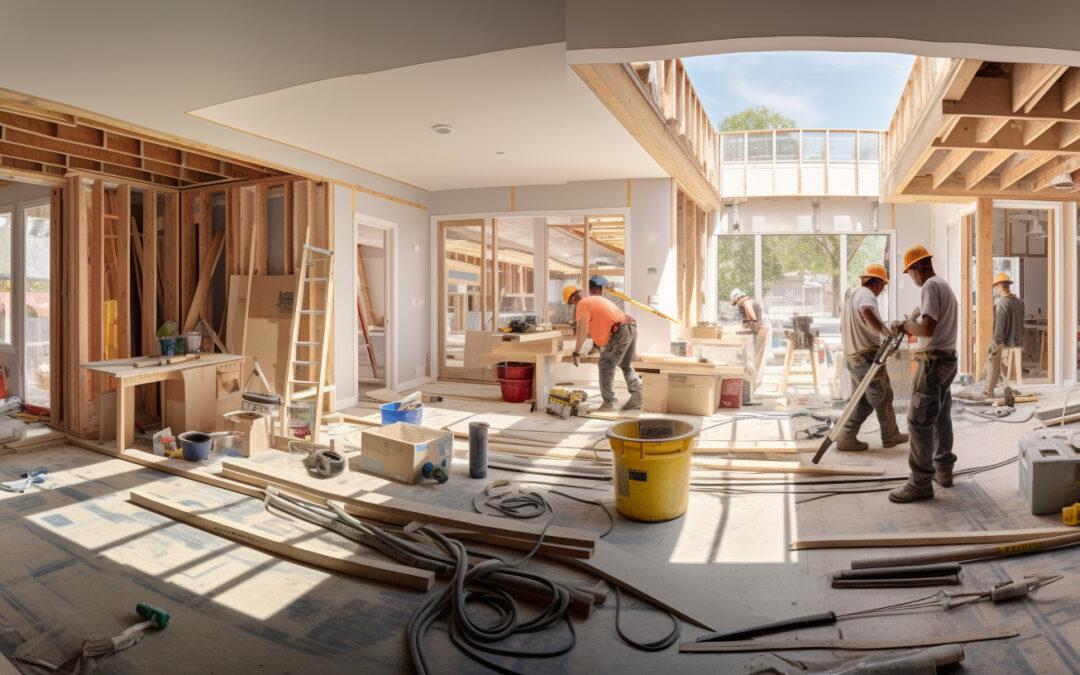
An older home can have plenty of character, but years of everyday use may leave certain areas worn, outdated, or less practical than they once were. Flooring may need replacement, storage may no longer meet household needs, and older fixtures can make daily routines more difficult. Renovation gives homeowners a chance to improve these areas while preserving the features that make their property special.
A successful home renovation involves more than changing the appearance of rooms. Homeowners should consider the condition of the structure, the reliability of existing systems, the suitability of materials, and the way different spaces work together. Taking time to evaluate these factors can help prevent unnecessary expenses and create a home that remains comfortable for years.
Begin With a Property Assessment
Before choosing new flooring, paint colors, or fixtures, examine the current condition of the property. Look for visible signs of wear and identify areas that may require professional inspection.
Cracked finishes, sticking doors, damaged flooring, recurring dampness, and unusual odors can indicate maintenance concerns. Some issues may be cosmetic, while others could require more detailed investigation.
Identify Hidden Problems Early
Older homes may contain outdated plumbing, electrical components, insulation, or building materials that need attention before renovation begins. A visual inspection alone may not reveal every concern.
Depending on the property's age and condition, homeowners may benefit from assessments by qualified contractors or relevant specialists. If potentially hazardous materials are suspected, appropriate professional testing and handling may be necessary before disturbing them.
Addressing significant concerns early helps establish a more realistic budget and reduces the chance of damaging newly installed finishes during later repairs.
Decide Which Features Are Worth Preserving
Not every older feature needs to be removed. Original woodwork, distinctive doors, built-in cabinets, and other architectural details may add character to a property.
Before replacing these elements, consider whether they can be repaired, refinished, or incorporated into the updated design. Preserving suitable original features may also reduce waste and help maintain a connection with the home's history.
Combine Traditional Details With Modern Comfort
An older home can retain its character while gaining practical improvements. For example, existing wood trim may work well alongside updated lighting, new paint, or modern furniture. Original doors may be refinished while worn hardware is replaced.
The key is to assess each feature individually. Some materials may be worth restoring, while others may be damaged beyond practical repair.
Homeowners should also consider whether preservation work requires specialized skills. Experienced professionals can help determine which details can be retained without compromising safety or functionality.
Plan Structural Work Before Cosmetic Updates
Structural concerns should be addressed before installing new surfaces or decorative features. Damaged framing, deteriorating supports, and other significant defects can affect the safety and durability of the renovation.
Changes involving walls, openings, or roof structures may require professional design and approval. Some walls carry structural loads, while others contain electrical wiring, plumbing, or ventilation components.
Avoid Making Assumptions About Walls
A wall should not be removed simply because it appears unnecessary. A qualified professional can assess its function and determine whether changes are possible.
If a larger opening is desired, the project may require engineered support, additional labor, and applicable permits. Understanding these requirements early helps homeowners make informed design decisions.
Completing structural work first also provides a more stable foundation for later improvements.
Replace Worn Surfaces With Suitable Materials
Flooring, wall finishes, countertops, and cabinetry influence how a renovated home looks and performs. The most suitable materials depend on the room's purpose, the amount of use it receives, and the maintenance homeowners are prepared to provide.
High-traffic areas need surfaces that can handle regular movement and cleaning. Kitchens and bathrooms require materials appropriate for their moisture conditions, while bedrooms may place greater emphasis on comfort and appearance.
Think Beyond Initial Appearance
A material that looks attractive at installation may require more maintenance than expected. Some surfaces need special cleaning products or periodic sealing, while others may be easier to care for.
Before purchasing, ask about durability, repair options, installation requirements, and product warranties. It is also useful to confirm that matching materials will remain available if future repairs become necessary.
Selecting suitable materials for each room helps avoid unnecessary replacement and supports long-term performance.
Update Older Kitchens for Better Daily Use
Kitchens in older homes may have limited counter space, awkward cabinet arrangements, or appliance locations that make food preparation inconvenient. Renovation can address these problems while maintaining the character of the property.
Start by considering how groceries are stored, where meals are prepared, and how people move between the sink, refrigerator, and cooking area.
Improve Storage and Work Surfaces
Additional drawers, pull-out organizers, and better cabinet arrangements can make everyday supplies easier to reach. Countertops should provide sufficient room for preparation without creating unnecessary obstacles.
If the kitchen layout is changing, confirm plumbing, electrical, and appliance requirements before construction begins. Moving major services may increase costs, so homeowners should compare the benefits of a new layout with the expense involved.
Lighting should also be part of the plan. Focused lighting over preparation surfaces can make tasks easier, while general lighting helps create a comfortable environment.
Refresh Bathrooms With Moisture Control in Mind
Bathroom renovations can improve comfort by replacing worn fixtures, adding practical storage, and updating surfaces. However, moisture management should remain a priority throughout the project.
Inspect areas around showers, tubs, sinks, and toilets for signs of leaks or damaged finishes. Recurring moisture should be investigated before new materials are installed.
Check Waterproofing and Ventilation
Shower areas require an appropriate waterproofing system, correctly installed around corners, penetrations, and drainage points. Grout and decorative finishes alone do not replace a proper waterproofing assembly.
Ventilation also helps manage humidity created by bathing and showering. An appropriately selected exhaust fan, correctly vented according to applicable requirements, can help remove moist air.
Choosing suitable materials and addressing existing plumbing concerns can reduce the likelihood of future damage.
Improve Lighting Throughout the House
Older properties sometimes have limited lighting or fixtures that no longer suit the way rooms are used. A renovation provides an opportunity to review the lighting plan across the entire home.
Living rooms may benefit from a combination of overhead lighting and lamps. Kitchens need illumination for food preparation, while hallways and stairways should be sufficiently lit for safe movement.
Make Better Use of Daylight
Window coverings, furniture placement, and wall colors can influence how much natural light reaches a room. Keeping window areas clear and choosing suitable reflective finishes may help brighten darker spaces.
Where new windows are being considered, evaluate their size, performance, installation requirements, and compatibility with the existing structure.
Electrical upgrades should be planned before walls and ceilings are finished and carried out by qualified professionals according to applicable safety standards.

Improve Indoor Comfort and Energy Performance
Older homes may have air leaks, insufficient insulation, aging equipment, or ventilation problems that affect indoor comfort. Renovation can provide an opportunity to assess these issues rather than focusing solely on appearance.
Rooms that remain uncomfortable despite changes in thermostat settings may need further investigation. Airflow restrictions, insulation gaps, and poorly sealed openings can all influence indoor temperatures.
Evaluate Improvements Before Replacing Equipment
A professional assessment can help determine whether air sealing, insulation, ventilation improvements, or heating and cooling repairs are appropriate.
Replacing equipment without investigating the underlying problem may not deliver the expected results. The condition and requirements of the existing house should guide the decision.
Homeowners should also consider how upgrades work together. Improvements to insulation and air sealing, for example, may change the property's ventilation needs.
Create More Useful Storage
Storage limitations can make even a spacious home feel crowded. Renovation allows homeowners to reconsider where everyday belongings are kept and how frequently used items can remain accessible.
Closets, spare rooms, entryways, and areas beneath staircases may offer opportunities for better organization.
Choose Storage That Fits the Space
Built-in shelving can help organize books and household supplies. Closet systems can combine hanging space with drawers and shelves, while entryway storage can provide a designated place for bags, shoes, and coats.
Before adding cabinets, consider the amount of usable floor space they will occupy. A storage solution should reduce clutter without making a room difficult to move through.
Planning storage alongside the overall layout can also help ensure that outlets, lighting, and furniture placement remain practical.
Establish a Budget for the Entire Renovation
The cost of renovating a whole house depends on the property's condition, project size, materials, labor, and the amount of structural or system-related work required.
The budget should include demolition, waste disposal, fixtures, flooring, cabinetry, electrical work, plumbing, permits where necessary, inspections, and finishing details. Temporary accommodation may also need to be considered if major areas cannot be used during construction.
Compare Proposals Carefully
Request written estimates that clearly describe the work, materials, exclusions, payment schedule, and expected timeline. Ask how unexpected repairs or changes to the original plan will be handled.
A contingency fund can help manage problems uncovered after demolition begins. The appropriate amount depends on the property's condition and the complexity of the work.
For homeowners considering Full House Renovations in Central Texas, comparing contractor experience, project scope, communication practices, and written estimates can help establish realistic expectations before construction starts.
Organize the Work in the Right Sequence
A whole-house renovation may involve several trades working across different rooms. Their activities need to be coordinated so that completed work is not damaged by later construction.
Structural repairs and major system installations generally take place before insulation, drywall, flooring, and final finishes. The exact sequence depends on the project and the property's requirements.
Prepare for Changes to Daily Routines
Renovation can create dust, noise, restricted access, and temporary utility interruptions. Homeowners should discuss which areas will remain usable and how the worksite will be separated from occupied spaces.
Protecting personal belongings, arranging temporary storage, and establishing a regular communication schedule can make the process easier to manage.
If the home will be unsafe or impractical to occupy during certain stages, make alternative arrangements before work begins.
Maintain the Improvements After Completion
Once the renovation is finished, regular maintenance helps protect the new materials and systems. Keep records of paint colors, flooring products, appliance details, warranties, and care instructions.
Check plumbing fixtures, sealants, ventilation equipment, and other frequently used features according to their maintenance requirements. Addressing small concerns early may help prevent more extensive repairs.
A practical maintenance plan also helps homeowners protect the value of the improvements and keep the property comfortable as household needs change.
Conclusion
Renovating an older home begins with evaluating its condition, setting clear priorities, and deciding which features should be repaired, preserved, or replaced. Careful planning for structural work, materials, lighting, and major systems can help avoid unnecessary complications. With a realistic budget and a well-coordinated schedule, homeowners can create a more functional home while retaining the character that makes the property distinctive.
- Managerial Effectiveness!
- Future and Predictions
- Motivatinal / Inspiring
- Fitness and Wellness
- Medical & Health
- Manufacturing
- Education
- Real-Estate
- Food Industry
- Hospitality
- Online Games
- Sports
- Home Services
- Civil Engineering
- Safety and Protection
- Software Products & Services
- Fashion and Jewellery
- Artificial Intelligence
- Entrepreneurship
- Mentoring & Guidance
- Marketing
- Networking
- HR & Recruiting
- Literature
- Shopping
- Career Management & Advancement