

 SkillClick
Buying a Hyperbaric Oxygen Chamber: Questions to Ask Before You Commit
A hyperbaric oxygen chamber is not like most wellness purchases. It's expensive, it involves pressure and concentrated oxygen, and the regulatory and safety questions are real. Marketing often glosses over those points, which makes it easy to buy the wrong thing or use it in the wrong way.
This guide lists the questions worth asking before you buy or rent: what you want it for, what the pressure and oxygen specifications really mean, what safety and installation requirements apply, who supervises use and how to judge the total cost. It's not medical advice, and a doctor should be involved in any decision.
Start With Your Purpose
Be specific about why you're interested. A defined medical condition is a conversation for a doctor, who can say whether HBOT is appropriate and where treatment should happen, usually in a supervised clinic.
If your interest is general wellness or recovery, be realistic. Evidence for many wellness claims is limited, and results from medical HBOT at higher pressures don't automatically transfer to lower-pressure chambers.
Writing down your goal, and what you'd accept as evidence that it's working, makes you a more critical buyer. It also helps a supplier give honest advice instead of a generic pitch.
Pressure, Oxygen and What the Numbers Mean
Pressure is quoted in ATA, where 1 ATA is normal atmospheric pressure. Soft-shell chambers are generally limited to lower pressures, often around 1.3–1.5 ATA, while hard-shell chambers can reach higher levels.
The oxygen source matters as much as the pressure. Ask whether the chamber is pressurised with air and fed oxygen through a concentrator, what oxygen concentration you'll actually breathe and how it's delivered, for example through a mask or hood.
Ask for documented specifications and testing, not just headline figures. If a listing gives a pressure rating without explaining the oxygen delivery, certification and safety systems, ask more questions before going further.
Safety Features and Installation Requirements
Look for pressure relief valves, a reliable way to depressurise quickly, a clear exit procedure and a sturdy build with quality seals and zippers or doors. Ask how the chamber handles power failure and whether alarms or monitoring are included.
Oxygen creates fire risk. Ask the supplier about ignition sources, electronics, static, fabrics and where oxygen equipment should sit. Don't improvise around these rules.
Also check the practicalities. Chambers need space, a safe, ventilated room, a suitable power supply and sometimes structural considerations. Ask for installation guidance in writing, and have electrical work done by a qualified electrician.
Regulation, Training and Supervision
Ask about the regulatory status of the product and its intended use. In many countries, medical HBOT is regulated, and wellness chambers may not be cleared for medical claims. Ask what applies in the UAE and what the seller can document.
Ask who should supervise sessions and what training operators need. Medical settings use trained staff, and home use should involve clear instructions, emergency procedures and a plan for what to do if something goes wrong.
Check whether servicing, inspection and part replacement are available locally. Seals, hoses, valves and concentrators wear, and a chamber that can't be serviced becomes a risk.
Total Cost, Alternatives and Next Steps
Look beyond the purchase price. Include delivery, installation, an oxygen concentrator if separate, maintenance, replacement parts, electricity and any training or supervision costs.
Compare owning with using a supervised clinic. For occasional use, or where medical oversight matters, a clinic may be safer and cheaper.
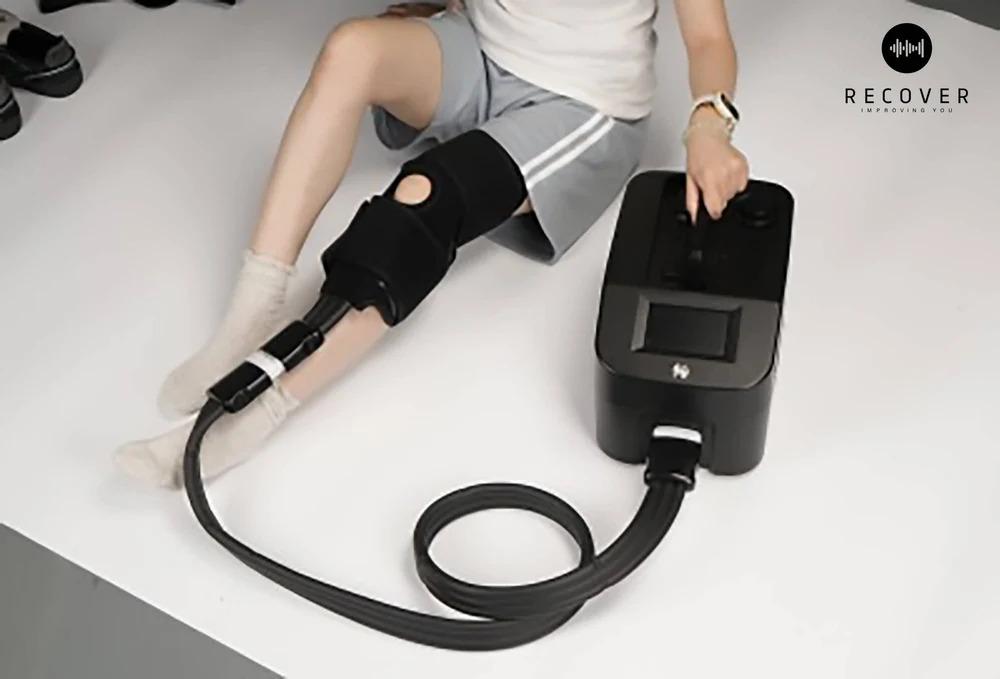
It's also reasonable to ask whether simpler tools would meet your goal. If your aim is general recovery, options like hot and cold recovery equipment available in the UAE are lower-risk and easier to verify. Recover is one UAE retailer listing that kind of equipment, and for HBOT itself, medical advice should come before any product page.
Frequently Asked Questions
Can I buy a hyperbaric chamber without a prescription?
Rules vary by product and country. Medical-grade use usually involves a prescription and supervision, while wellness chambers may be sold without one. Ask about regulatory status and speak to a doctor.
What's the difference between 1.3 ATA and 2.0 ATA?
Higher pressure means more oxygen dissolves in the blood, but it also raises safety demands. Chambers at different pressures aren't interchangeable.
Is home HBOT safe?
It carries risks such as ear injury and fire hazards, and it needs correct equipment, training and supervision. A doctor should assess whether it's suitable for you.
How do I judge a supplier?
Look for clear specifications, safety documentation, regulatory information, local servicing and honest answers about limits. Be cautious of cure claims.
Conclusion
Buying a hyperbaric oxygen chamber demands more diligence than most wellness purchases. Define your purpose, understand pressure and oxygen specifications, check safety and installation requirements and ask about regulation, training and servicing.
Consider total cost and alternatives, including supervised clinics and simpler recovery tools. Involve a doctor from the start, and walk away from any seller who overpromises.
- Managerial Effectiveness!
- Future and Predictions
- Motivatinal / Inspiring
- Fitness and Wellness
- Medical & Health
- Manufacturing
- Education
- Real-Estate
- Food Industry
- Hospitality
- Online Games
- Sports
- Home Services
- Civil Engineering
- Safety and Protection
- Software Products & Services
- Fashion and Jewellery
- Artificial Intelligence
- Entrepreneurship
- Mentoring & Guidance
- Marketing
- Networking
- HR & Recruiting
- Literature
- Shopping
- Career Management & Advancement