

 SkillClick
What Should Commercial Property Owners Know Before Choosing TPO Membrane Roofing in Henderson, NV?
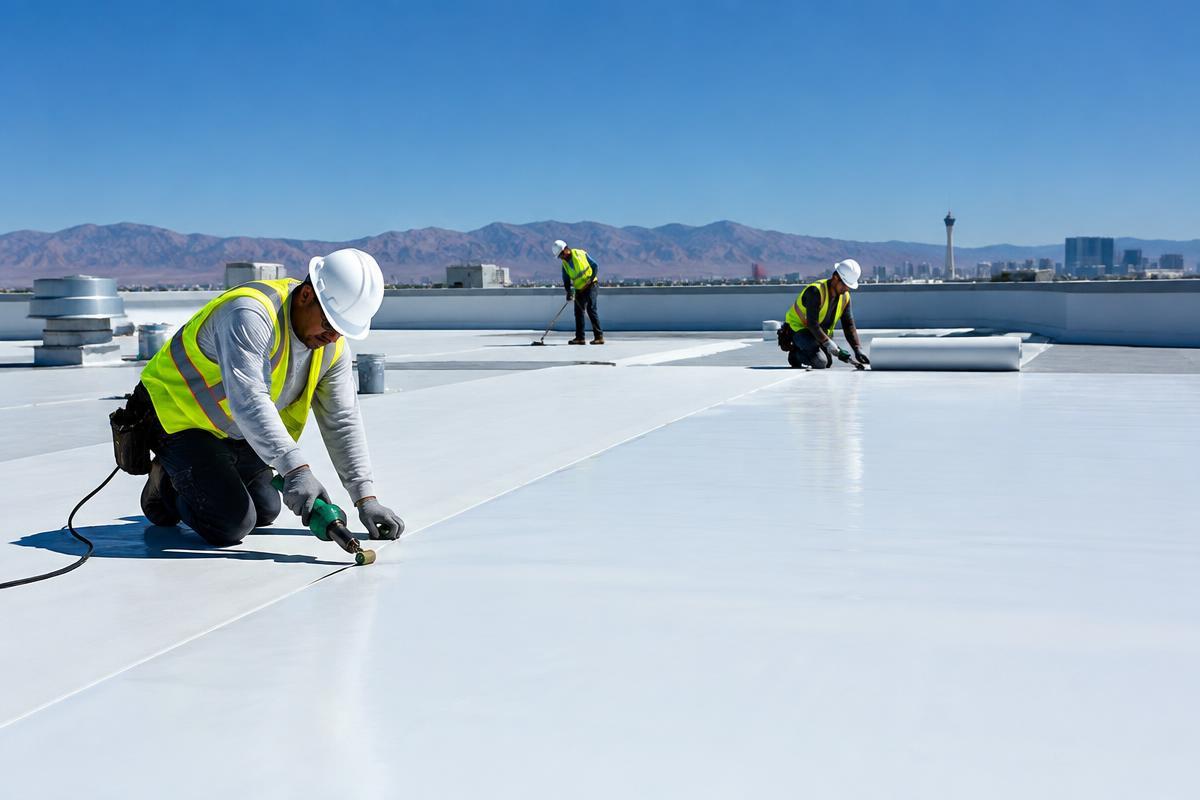
Commercial roofing plays a critical role in protecting a building, maintaining comfortable indoor conditions, and supporting long-term property performance. In Henderson, Nevada, commercial roofs must contend with intense sunlight, high summer temperatures, dust, and occasional severe weather. These environmental conditions make roofing material selection an important decision for property owners, facility managers, and commercial building operators.
Thermoplastic polyolefin, commonly known as TPO, has become a widely used option for low-slope and flat commercial roofs. Its reflective surface, heat-welded seams, and relatively lightweight construction make it a practical choice for many commercial applications. However, choosing the right system involves more than selecting a membrane based on its appearance or initial cost. Building conditions, installation quality, drainage, insulation, and ongoing maintenance all influence how well the roof performs.
Understanding these factors can help commercial property owners make informed decisions about TPO roofing and avoid problems that could shorten the roof's service life.
How Does TPO Membrane Roofing Work on Commercial Buildings?
TPO is a single-ply roofing membrane manufactured from thermoplastic materials. It is commonly installed over commercial roof decks and insulation systems to create a protective barrier against moisture and outdoor exposure.
Unlike traditional built-up roofing, which may incorporate multiple layers of asphalt and reinforcing materials, TPO systems use large membrane sheets joined together during installation. The seams are typically heat-welded, creating continuous connections between adjacent sections when properly installed.
A complete roofing assembly may include a structural roof deck, vapor-control components where appropriate, insulation, cover boards, attachment systems, and the TPO membrane itself. The exact configuration depends on the building's construction, energy requirements, existing roof conditions, and applicable building codes.
TPO membranes are available in different thicknesses and installation configurations. Mechanically attached, fully adhered, and ballasted systems have different requirements and are not equally suitable for every building.
For commercial properties in Henderson, selecting the right assembly means considering both the membrane and the components beneath it. Even a high-quality membrane can underperform if the insulation becomes wet, the drainage system is inadequate, or the attachment method does not suit the building.
Why Does Henderson's Climate Matter When Selecting a Roofing System?
Southern Nevada's desert climate creates several conditions that commercial roofing systems must withstand. Understanding these environmental pressures helps property owners evaluate whether TPO is appropriate for their buildings.
Intense sunlight and ultraviolet exposure
Commercial roofs receive prolonged exposure to sunlight, especially when buildings have large, unobstructed roof surfaces. Ultraviolet radiation and repeated heating can gradually affect roofing materials over time.
Many TPO products have light-colored surfaces designed to reflect a portion of the sun's energy. This characteristic can help reduce solar heat absorption compared with darker roofing surfaces, although actual performance depends on the product, roof assembly, insulation, and building conditions.
High summer temperatures
Roof surfaces can become significantly hotter than the surrounding air during sunny weather. Temperature changes can place stress on roofing materials, attachment points, flashings, and transitions between different components.
A properly designed TPO assembly must accommodate thermal movement while maintaining secure seams and watertight details. Material specifications, installation procedures, and manufacturer requirements should all be considered before work begins.
Dust, debris, and sudden weather changes
Windblown dust can collect around rooftop equipment, drains, and roof edges. Debris may obstruct drainage pathways, while sudden storms can expose weaknesses in flashing, seams, or existing roof penetrations.
These conditions make routine inspections particularly valuable. Identifying minor drainage or seam problems early may help prevent moisture from reaching insulation or interior spaces.
What Should You Evaluate Before Installing a TPO Roof?
A successful roofing project begins with an assessment of the existing building rather than an automatic recommendation to replace the entire roof.
Existing roof condition
A professional assessment should examine the membrane or roofing material already in place, visible deterioration, previous repairs, moisture concerns, and the condition of the underlying assembly.
If the building has an existing roof system, the contractor should determine whether removal, repair, or an approved recover system is appropriate. Concealed moisture can damage insulation and compromise the performance of a new roofing installation if it is not addressed.
Drainage and water management
Flat and low-slope roofs still require carefully designed drainage. Roof drains, scuppers, gutters, and tapered insulation systems may be necessary to direct water toward designated discharge points.
Persistent ponding can indicate drainage deficiencies, structural deflection, or installation issues. Before installing a new membrane, property owners should understand whether these conditions need correction.
Insulation and energy performance
Insulation influences indoor comfort, heating and cooling demand, and the overall thermal performance of a commercial building.
The appropriate insulation type and thickness depend on the building's design, applicable energy codes, roof assembly, and project requirements. A reflective membrane can contribute to reducing solar heat gain, but it does not replace the need for adequate insulation and a properly designed building envelope.
Roof penetrations and equipment
Commercial roofs frequently support HVAC equipment, vents, conduits, and other mechanical components. Each penetration creates a potential location for water intrusion if the flashing and membrane connections are not properly detailed.
A pre-installation assessment should identify these locations and establish how they will be integrated into the finished roofing system.
How Does Installation Quality Affect Long-Term Performance?
The performance of a TPO roofing system depends heavily on workmanship. Correct material selection alone cannot compensate for poorly prepared surfaces, inconsistent seam welding, or improperly detailed roof penetrations.
The roof deck must be suitable for the selected assembly, and the insulation and cover boards must be installed according to project specifications. Membrane sheets should be positioned and attached using the appropriate method for the building.
Heat-welded seams deserve particular attention. Temperature settings, welding speed, equipment condition, and environmental factors can influence seam quality. Contractors should follow the membrane manufacturer's installation instructions and perform appropriate seam checks throughout the project.
Perimeter edges, parapet walls, expansion joints, and rooftop equipment require careful detailing because these areas often involve changes in direction or multiple building components.
Commercial property owners evaluating site-specific TPO membrane roofing in Henderson, NV should consider how the proposed installation will address these details, drainage requirements, and the existing roof assembly. Asking for a clear explanation of the installation method and quality-control procedures can help clarify the scope of work before the project begins.
Project planning also matters. Roofing work should account for weather conditions, building access, material storage, and the potential impact on tenants or business operations. A coordinated schedule can reduce disruption and help ensure that exposed roof areas are protected appropriately during installation.
Which Commercial Buildings May Benefit From TPO Roofing?
TPO is commonly considered for offices, retail buildings, warehouses, distribution facilities, and other commercial properties with flat or low-slope roofs.
Its suitability depends on the building's design, expected roof traffic, structural conditions, insulation requirements, and budget. A warehouse with a large uninterrupted roof area may have different requirements from a retail property with numerous rooftop units or a building containing specialized mechanical equipment.
For buildings with frequent rooftop maintenance activity, the roofing assembly may need designated walkways or additional protection in high-traffic areas. These measures can help reduce accidental punctures and unnecessary wear.
Property owners should also consider the anticipated use of the roof throughout the building's life. Future HVAC replacements, solar installations, equipment additions, or other modifications may affect roofing details and maintenance requirements.
The best solution is not necessarily the same for every commercial property. A building-specific assessment helps determine whether TPO is appropriate or whether another roofing system deserves consideration.
How Can You Compare Roofing Proposals Effectively?
Comparing commercial roofing proposals solely by their total prices can make it difficult to understand the differences between contractors' recommendations.
A useful proposal should describe the proposed roofing assembly, membrane specifications, insulation, attachment method, flashing details, preparation requirements, and treatment of existing materials. It should also explain how drainage concerns, damaged roof components, and existing penetrations will be addressed.
Examine the complete project scope
Determine whether the quoted work includes removal and disposal of existing materials, substrate repairs, replacement of wet insulation, perimeter detailing, and cleanup. Clarify how unforeseen damage will be handled and whether additional work requires approval.
An unusually low estimate may exclude important components or assume that existing materials can remain in place. Understanding these assumptions makes price comparisons more meaningful.
Ask about workmanship and product warranties
Roofing warranties vary according to the manufacturer, system specifications, installation requirements, and contract terms. Property owners should review what is covered, what is excluded, and what responsibilities apply to inspections or maintenance.
A warranty should not be treated as a guarantee that every possible roofing problem will be covered. The written terms are more important than a general verbal assurance.
Review the contractor's approach
Ask how the contractor will inspect the roof, document existing conditions, monitor installation quality, and protect the building during construction.
Clear communication, a detailed scope, and a practical project schedule can be as important as the materials selected. These factors help establish expectations and reduce misunderstandings throughout the work.
What Maintenance Helps Preserve a TPO Roofing System?
Although TPO roofs are designed for outdoor exposure, they still require periodic inspection and appropriate maintenance.
Property managers should arrange inspections at reasonable intervals and after significant weather events when conditions warrant. Inspection frequency should reflect the roof's age, condition, equipment activity, and manufacturer recommendations.
Drainage outlets should remain clear of leaves, accumulated dust, packaging materials, and other debris. Blocked drains can allow water to collect where it may contribute to deterioration or expose weaknesses in the roof assembly.
Inspections should also examine visible seams, flashing transitions, roof edges, penetrations, and areas around rooftop equipment. Signs of membrane damage, loose components, unusual water accumulation, or interior staining should be evaluated promptly.
Roof access deserves attention as well. Maintenance personnel and other authorized visitors should follow established access procedures and avoid dragging tools or equipment across the membrane. Protective walkways may be appropriate in frequently traveled areas.
Repairs should use compatible materials and follow the applicable manufacturer's requirements. Unapproved sealants, incompatible patches, or improvised repairs may fail to provide a durable solution.
Keeping inspection records, repair documentation, and warranty information organized can help property managers track recurring concerns and plan future maintenance expenditures.
How Can Property Owners Make a Confident Roofing Decision?
Selecting a commercial TPO membrane roofing system involves balancing immediate project costs with long-term building protection, energy performance, maintenance requirements, and operational needs.
For Henderson property owners, the decision should begin with an accurate understanding of the existing roof and the environmental conditions the finished system must withstand. The membrane itself matters, but drainage design, insulation, flashing details, installation quality, and routine maintenance are equally important parts of the overall assembly.
Before approving a project, review the contractor's scope carefully, compare the proposed materials, ask about installation quality controls, and confirm the written warranty conditions. Consider the building's future equipment needs and establish a maintenance plan that supports ongoing roof performance.
A well-planned roofing project is based on the actual requirements of the property rather than a generic material recommendation. By evaluating the complete roofing system and making informed decisions at each stage, commercial property owners can better protect their buildings, manage maintenance responsibilities, and support dependable roof performance over time.
More details are available at: Local Business Directory
- Managerial Effectiveness!
- Future and Predictions
- Motivatinal / Inspiring
- Fitness and Wellness
- Medical & Health
- Manufacturing
- Education
- Real-Estate
- Food Industry
- Hospitality
- Online Games
- Sports
- Home Services
- Civil Engineering
- Safety and Protection
- Software Products & Services
- Fashion and Jewellery
- Artificial Intelligence
- Entrepreneurship
- Mentoring & Guidance
- Marketing
- Networking
- HR & Recruiting
- Literature
- Shopping
- Career Management & Advancement