

 SkillClick
How Can Motorized Blinds Transform Tall and Wide Windows in Washington Homes?
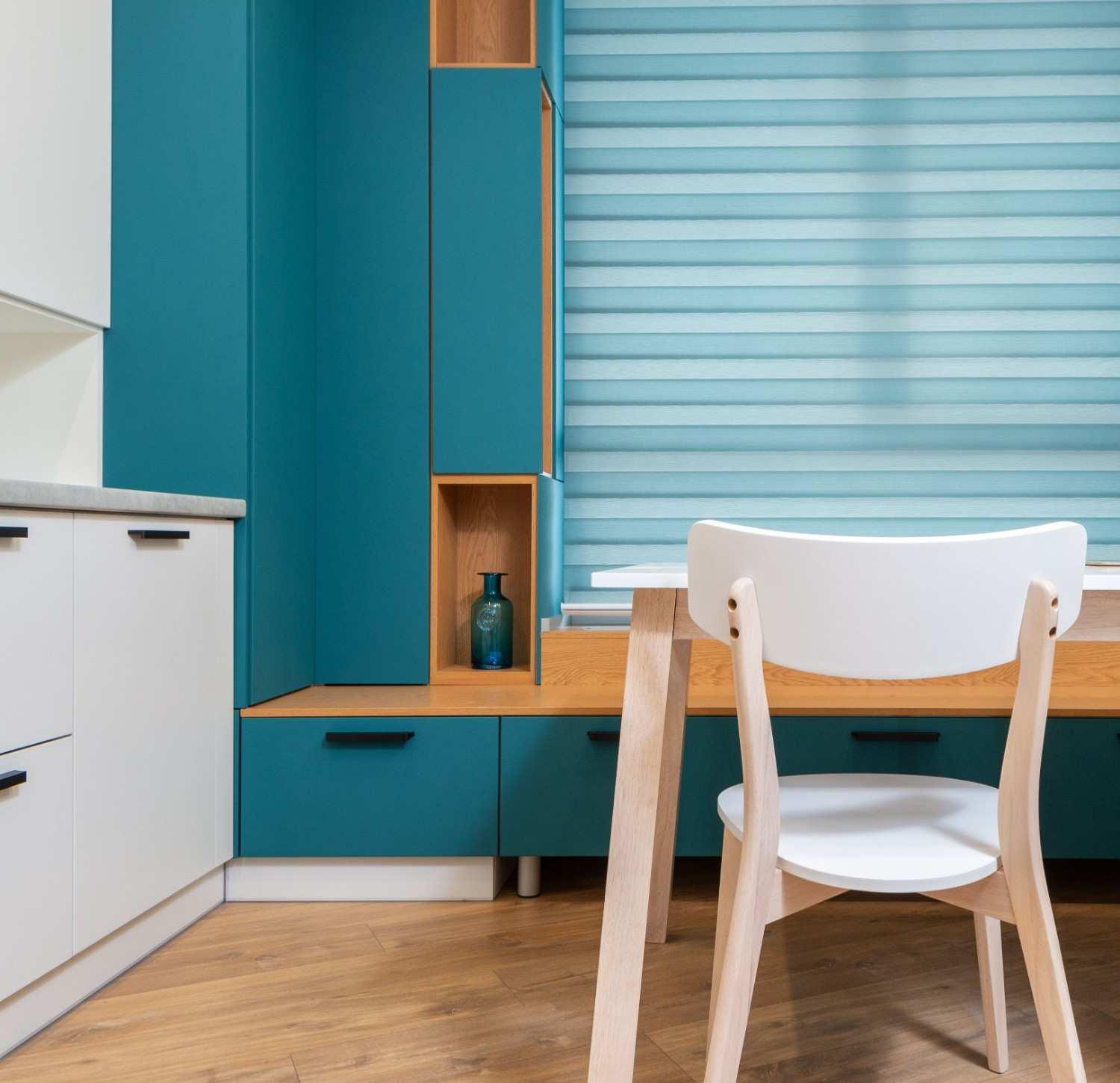
Tall and wide windows can make a room feel open, bright, and architecturally distinctive. However, managing sunlight across expansive glass surfaces is not always straightforward. Reaching high windows, adjusting multiple blind panels, and maintaining consistent light levels can become daily inconveniences, particularly in rooms with vaulted ceilings, oversized picture windows, or floor-to-ceiling glass.
Motorized blinds offer a practical way to manage these challenges without relying on manual cords or hard-to-reach controls. With a motorized system, homeowners can adjust window coverings using a remote control, wall switch, or compatible smart-home device, depending on the product selected. For properties in Washington, where changing daylight conditions can influence indoor comfort throughout the year, choosing the right system requires attention to window dimensions, fabric selection, operating mechanisms, and installation requirements.
Why Do Oversized Windows Require a Different Blind Solution?
Standard window coverings are generally designed around manageable window dimensions and convenient access. When a window extends several feet above the floor or spans a substantial portion of a wall, operating a conventional blind can become less convenient.
Tall windows may require reaching overhead, using extension tools, or repeatedly adjusting coverings to control glare. Wide windows create another challenge: a single covering may need to travel a considerable distance, while multiple separate blinds can look inconsistent when their positions differ.
Motorized blinds address these concerns by allowing users to operate the coverings without physically reaching each mechanism. Depending on the configuration, several blinds may also be controlled together, making it easier to adjust an entire bank of windows at once.
The best solution depends on the room's layout, the size and weight of the coverings, and how frequently the windows need adjustment. A large living-room window, for example, may have different requirements from a high window in a stairwell or a wide glass opening in a home office.
Which Motorization Options Work Best for Tall and Wide Windows?
Not every motorized system is suitable for every window. Selecting an appropriate mechanism starts with understanding the covering's dimensions, construction, and intended use.
Battery-powered systems
Battery-powered motors can be useful when installing new electrical wiring would be difficult or undesirable. They may simplify installation in finished rooms, particularly where windows are already in place.
However, battery life, charging access, and the motor's capacity should be considered before selecting this option. Large or heavy window coverings may place different demands on a motor than smaller installations. The product's specifications should confirm that it can support the proposed blind dimensions and weight.
Hardwired motorization
Hardwired systems receive power through an electrical connection. They can be worth considering during renovations or new construction, when wiring can be planned alongside other electrical work.
Their suitability depends on the building's existing infrastructure and the selected product. Installation should account for access to power, motor placement, and any electrical work required.
Smart-home-compatible controls
Some motorized blinds can connect to compatible smart-home systems, allowing operation through an application, scheduled routines, or voice commands. Compatibility varies by manufacturer, motor, and control platform, so it is important to verify the details before purchasing.
For particularly wide windows, grouped controls can be useful because they reduce the effort involved in adjusting several coverings individually. Nevertheless, grouping capabilities and limits should be confirmed for the specific system.
How Should You Choose the Right Fabric for Washington's Changing Daylight?
Motorization makes blinds easier to operate, but the fabric or material determines much of their everyday performance. The right choice depends on the room's exposure to sunlight, privacy requirements, interior design, and desired level of brightness.
Light-filtering fabrics
Light-filtering materials soften incoming daylight while preserving some natural illumination. They can work well in living rooms, dining areas, and other spaces where occupants want a bright atmosphere without direct sunlight falling across furniture or screens.
The amount of light transmitted varies by fabric color, weave, and opacity. Samples should be evaluated in the actual room whenever possible, because the appearance of a material under showroom lighting may differ from its appearance beside a large window.
Room-darkening and blackout materials
Bedrooms, media rooms, and spaces used for daytime sleeping may benefit from more opaque materials. Room-darkening fabrics reduce incoming light, while blackout materials are designed to block much more of it.
The overall result also depends on installation details. Light may enter around the sides, top, or bottom of a covering, particularly when a window has an unusual shape or a recessed frame. Discussing these limitations before ordering can help establish realistic expectations.
Solar-screen fabrics
Solar-screen materials are designed to reduce glare and manage sunlight while maintaining varying degrees of outward visibility. They may be especially useful in Washington home offices or rooms with expansive glass facing a bright outdoor area.
Their performance depends on factors such as openness, color, sun exposure, and viewing direction. Solar screens do not automatically provide complete nighttime privacy, especially when interior lighting is brighter than the outdoors.
What Should You Measure Before Ordering Motorized Blinds?
Accurate measurements are essential for oversized windows because small errors can affect appearance, movement, and light control. Before ordering, determine whether the covering will sit inside the window frame or extend beyond it.
An inside mount can create a clean, integrated appearance, but the frame must have sufficient depth and clearance for the selected product. An outside mount may offer greater flexibility when the frame is shallow or when reducing light gaps is a priority.
Measure the width and height at multiple points rather than assuming every edge is perfectly square. Older homes and remodeled properties may have openings that vary slightly from one side to the other. The final measurements should follow the manufacturer's instructions for the specific blind system.
Motor placement also deserves attention. The headrail, brackets, charging access, wiring route, and surrounding trim must all fit the available space. For high windows, consider whether future maintenance can be performed safely without extensive equipment.
When a window is unusually tall, exceptionally wide, or part of a group of adjoining windows, professional measuring can help identify potential installation conflicts before materials are ordered.
How Can Motorized Blinds Improve Everyday Comfort?
The principal advantage of motorized window coverings is convenient adjustment. Rather than reaching over furniture or climbing to operate a high window, occupants can change the blind position using the system's designated controls.
This convenience can be particularly valuable in rooms with large glass surfaces, where sunlight may move across the floor or create glare on computer displays throughout the day.
For homeowners comparing custom-fitted motorized blinds for tall, wide Washington windows, the key consideration is how the covering will perform in the specific room. Window size, material selection, control preferences, and installation constraints all influence the suitability of a system.
Automated schedules may also help maintain a preferred routine. For instance, compatible systems can be configured to open at a selected time or lower during certain parts of the day. These functions depend on the available controls and system compatibility, and schedules may need seasonal adjustments as daylight patterns change.
Motorization can also reduce the need to pull cords or chains repeatedly. However, durability still depends on product quality, correct sizing, installation, and appropriate operation.
What Installation Challenges Should Homeowners Consider?
Large window coverings can be heavier and more difficult to position than smaller blinds. Their mounting points must support the system properly, and the brackets must be compatible with the window frame or surrounding structure.
Tall installations introduce access considerations. A qualified installer can assess the safest way to reach mounting locations, position the headrail, and verify that the blind travels evenly. This is particularly important when windows are above staircases, behind built-in furniture, or near high ceilings.
Wide blinds may also require more careful alignment. If the headrail is not level or the mounting surface is unsuitable, the covering may operate unevenly. Following the manufacturer's installation requirements helps reduce the risk of premature wear or mechanical strain.
For hardwired products, electrical work should be completed by an appropriately qualified professional when required. Battery-powered systems still need an accessible charging or replacement arrangement, and the motor must remain within its rated operating limits.
Before installation, confirm what is included in the product package, whether controls require separate purchases, and how the system will be tested after mounting.
How Do You Maintain Motorized Blinds Over Time?
Routine care helps preserve the appearance and operation of window coverings. Dust fabric blinds gently using a method recommended by the manufacturer. Some materials can tolerate light vacuuming with a suitable attachment, while others require a more delicate cleaning approach.
Avoid applying water or cleaning products without checking the material's care instructions. Excess moisture or unsuitable chemicals can damage fabrics, finishes, or internal components.
For battery-powered systems, monitor battery levels and recharge or replace batteries according to the product guidance. Keep charging connections accessible, particularly when blinds are installed high above the floor.
Occasionally check for obstructions around the blind's travel path. Furniture, window handles, decorative objects, or unevenly positioned accessories can interfere with movement. If a motor begins making unusual noises, stops unexpectedly, or struggles to lift the covering, discontinue repeated operation and consult the manufacturer's troubleshooting guidance or a qualified service professional.
Smart controls may also require occasional software updates or reconnection after changes to a home network. Keeping product documentation and warranty information available makes future maintenance easier.
Which Factors Matter Most When Comparing Motorized Blind Systems?
A useful comparison considers more than the initial appearance of a blind. Start with the maximum supported width and height, motor capacity, control options, and available fabric choices. Verify that the proposed configuration is approved for the actual window dimensions rather than assuming that every motorized product can accommodate oversized openings.
Next, consider everyday convenience. Decide whether individual controls are sufficient or whether several windows should operate together. Evaluate whether remote operation, wall-mounted controls, or smart-home integration best suits the household's routines.
Power requirements, maintenance access, privacy, glare reduction, and the visual relationship between adjacent coverings should also influence the decision. If the room receives strong direct sunlight, ask how different materials perform under those conditions and whether the selected fabric meets the room's needs.
Finally, review the complete installation requirements before committing to a design. Clear information about measurements, mounting, controls, power, and maintenance helps prevent avoidable surprises.
Conclusion
Motorized blinds can make tall and wide windows easier to manage while supporting a more consistent interior design. Their effectiveness depends on choosing the right motor, appropriate dimensions, suitable materials, and controls that fit the way a room is used.
Washington homeowners can make a more informed decision by evaluating daylight, privacy, glare, mounting conditions, and long-term maintenance before ordering. With careful planning and a system matched to the window's actual requirements, oversized windows can remain a practical and attractive feature of the home.
More details are available at: Local Business Directory
- Managerial Effectiveness!
- Future and Predictions
- Motivatinal / Inspiring
- Fitness and Wellness
- Medical & Health
- Manufacturing
- Education
- Real-Estate
- Food Industry
- Hospitality
- Online Games
- Sports
- Home Services
- Civil Engineering
- Safety and Protection
- Software Products & Services
- Fashion and Jewellery
- Artificial Intelligence
- Entrepreneurship
- Mentoring & Guidance
- Marketing
- Networking
- HR & Recruiting
- Literature
- Shopping
- Career Management & Advancement