

 SkillClick
BPC 157 for Muscle and Tissue Recovery: Exploring the Research
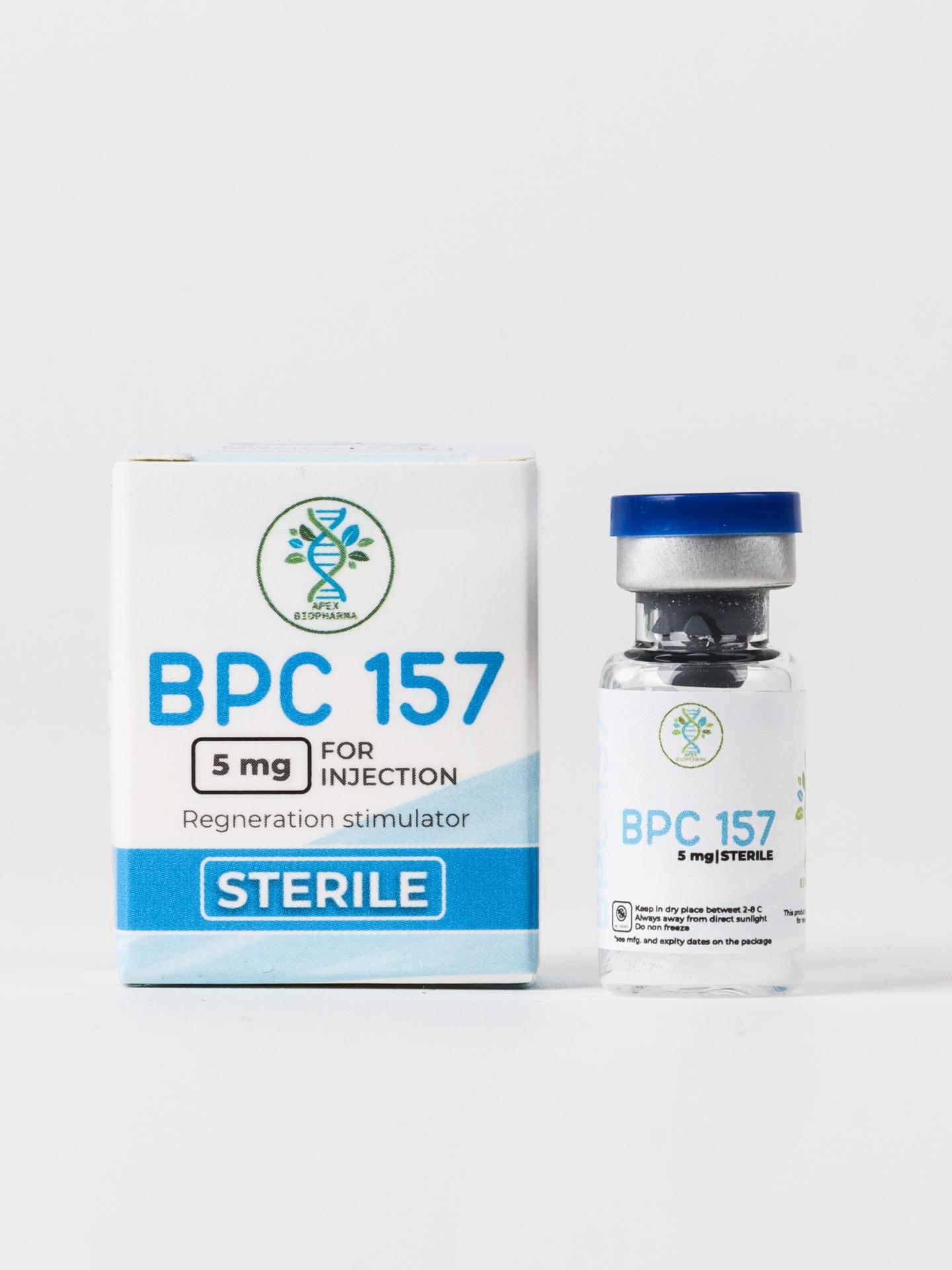
Muscle and tissue recovery is a major concern for athletes, active individuals, and people dealing with sports-related injuries. While rest, rehabilitation, nutrition, and physical therapy remain important parts of recovery, researchers continue to investigate compounds that may influence the body's natural healing processes. One peptide that has attracted considerable attention is BPC 157.
Research surrounding this peptide is particularly interesting because much of the evidence comes from laboratory and animal studies involving muscles, tendons, ligaments, and other tissues.
However, the human evidence remains limited, meaning promising experimental findings should not be confused with established medical benefits. A 2025 systematic review identified 36 relevant studies, including 35 preclinical studies and only one clinical study in its review period.
Understanding BPC 157
BPC 157 is a synthetic 15-amino-acid peptide originally associated with proteins found in gastric juice. Researchers have investigated it for its potential effects on tissue protection, inflammation, blood-vessel formation, and repair mechanisms.
Interest in the peptide has expanded beyond gastrointestinal research into sports medicine and musculoskeletal recovery. Experimental studies have examined its effects on muscle injuries, tendon damage, ligament injuries, and bone healing. A review published in Cell and Tissue Research highlighted research exploring its potential role in tendon, ligament, and skeletal muscle healing.
It is important to recognize that laboratory findings do not automatically translate into effective or safe treatments for people. This distinction is especially important when discussing products marketed online for recovery purposes.
What Does the Research Say About Muscle Recovery?
One of the most interesting areas of research involves skeletal muscle. Experimental models suggest that BPC 157 may influence several biological processes involved in tissue repair, including blood-vessel development, cellular signaling, inflammation, and tissue organization.
Adequate blood supply is essential for damaged tissue because oxygen and nutrients need to reach the injured area. Researchers have investigated pathways involving vascular endothelial growth factor receptor 2 (VEGFR2), nitric oxide signaling, and the Akt-eNOS pathway. These pathways are associated with vascular responses and cellular processes involved in repair.
Animal research has also reported improvements in functional and structural outcomes following different types of musculoskeletal injuries. A 2025 systematic review found that preclinical studies reported potentially beneficial effects across muscle, tendon, ligament, and bone injury models.
These findings help explain why researchers are interested in the compound. However, they should be viewed as preliminary evidence rather than proof that the same outcomes occur in humans.
Potential Role in Tendon and Ligament Repair
Muscles are not the only tissues being investigated. Tendons and ligaments can be particularly difficult to rehabilitate because they generally have lower blood supply than many other tissues.
Researchers have therefore examined whether the peptide's effects on angiogenesis, fibroblast activity, inflammation, and cellular signaling could support connective-tissue repair. Experimental studies have produced encouraging findings involving tendon and ligament injuries.
From a research perspective, this is significant because successful recovery from an injury involves more than simply reducing pain. Healthy tissue must regain structural integrity and, in many cases, mechanical strength.
Still, positive results in animal models cannot establish how an experimental peptide should be used in injured athletes or patients. Proper human trials would need to determine effectiveness, appropriate dosing, long-term safety, and which injuries, if any, could benefit.
Inflammation and Tissue Repair
Inflammation is a normal part of the body's response to injury. It helps initiate repair, but prolonged or excessive inflammation can interfere with normal recovery.
Experimental research suggests that BPC may influence inflammatory pathways and cytokine activity. Researchers have also investigated its possible effects on oxidative stress, vascular function, and cellular survival. These mechanisms have contributed to interest in its potential regenerative properties.
The key point is that these mechanisms remain areas of scientific investigation. A proposed biological mechanism does not necessarily mean that a treatment will produce meaningful improvements in real-world patients.
What About Human Research?
This is where the evidence becomes much less certain.
Recent reviews consistently emphasize that human research is extremely limited. A 2025 narrative review identified only a small number of pilot human studies involving areas such as knee pain, interstitial cystitis, and intravenous safety or pharmacokinetics. The authors concluded that rigorous, large-scale clinical trials are still lacking.
Another systematic review found one retrospective musculoskeletal study in which some patients reported prolonged relief following an intra-articular injection. However, the study was small and lacked the type of controlled design needed to establish cause and effect.
A more recent evidence assessment likewise reported that randomized controlled human evidence remains absent, emphasizing that promising preclinical results cannot establish clinical effectiveness.
Therefore, claims that the peptide is definitively proven to accelerate human muscle recovery would go beyond the available evidence.
Safety Considerations
Safety is another major unanswered question. Animal studies have generally produced encouraging findings, with several experimental studies reporting no obvious acute toxicity across different organs. However, animal safety results cannot establish long-term safety in humans.
Recent reviews specifically point out that clinical safety information remains insufficient. Potential concerns include unknown long-term effects, differences between laboratory preparations, contamination of unregulated products, and uncertainty surrounding manufacturing quality.
This is particularly important because products sold online may not have the same quality controls as approved pharmaceutical products. Consumers may not always know whether a product contains the stated amount of an ingredient or whether it is free from contaminants.
Athletes should also consider sporting regulations. The 2025 orthopedic sports-medicine review notes that the peptide is prohibited in certain sporting contexts and recommends that athletes understand the rules applicable to their organizations.
Recovery Still Depends on the Basics
Regardless of emerging peptide research, established recovery strategies remain fundamental. Adequate protein and overall nutrition, quality sleep, appropriate hydration, progressive rehabilitation, mobility work, and professionally guided exercise can all play important roles in recovering from physical stress or injury.
For significant injuries, working with a qualified physician or physical therapist is especially important. A proper diagnosis helps determine whether an injury involves muscle, tendon, ligament, bone, or another structure, because each may require a different rehabilitation approach.
Experimental compounds should not replace evidence-based rehabilitation.
adoniselitepeptides and Research Peptides
adoniselitepeptides is a brand associated with the growing research-peptide marketplace. When considering any research-oriented peptide supplier, consumers should pay close attention to product labeling, testing documentation, manufacturing standards, and the distinction between research use and approved medical treatment.
Because human evidence surrounding BPC 157 remains limited, purchasing a research peptide should not be interpreted as evidence that it has been established as a safe or effective therapy for muscle or tissue recovery.
Conclusion
Research into BPC 157 presents an intriguing picture. Laboratory and animal studies suggest that the peptide may influence processes involved in tissue repair, including angiogenesis, inflammation, cellular signaling, and connective-tissue recovery. Findings involving muscle, tendon, ligament, and bone injuries have helped drive continued scientific interest.
At the same time, the most important limitation is the lack of strong human evidence. Current reviews emphasize that clinical studies remain small and insufficient to establish effectiveness or long-term safety.
- Managerial Effectiveness!
- Future and Predictions
- Motivatinal / Inspiring
- Fitness and Wellness
- Medical & Health
- Manufacturing
- Education
- Real-Estate
- Food Industry
- Hospitality
- Online Games
- Sports
- Home Services
- Civil Engineering
- Safety and Protection
- Software Products & Services
- Fashion and Jewellery
- Artificial Intelligence
- Entrepreneurship
- Mentoring & Guidance
- Marketing
- Networking
- HR & Recruiting
- Literature
- Shopping
- Career Management & Advancement