

 SkillClick
Why Customers Value Products That Represent Personal Achievement and Milestones
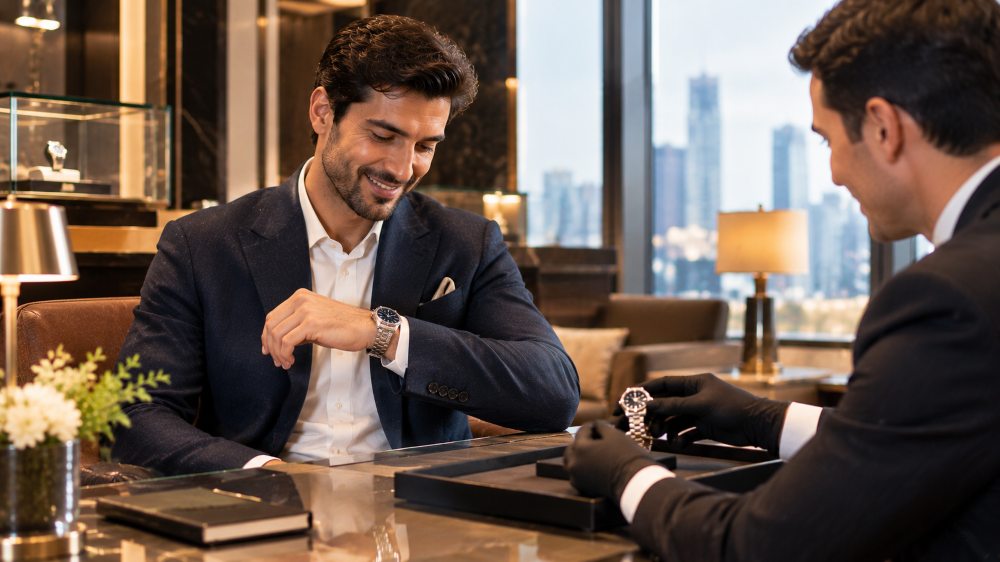
After eleven years in finance, Daniel makes partner. That evening, he doesn't open a spreadsheet or book a vacation. He walks into a watchmaker's boutique and buys the timepiece he has been quietly eyeing since his first job.
He doesn't need it. His phone tells time perfectly well. What he is buying is a physical marker of the years behind him.
This is consumer psychology at its most revealing. People often purchase things not because of what those things do, but because of what they mean. For brands in premium categories, understanding that difference is a real competitive advantage. This article looks at why customers attach meaning to products, how milestone purchases work, and what brands can do to earn a place in these moments.
Why People Attach Meaning to Physical Objects
Humans think in symbols. We use objects to hold memories, express values, and mark transitions, whether it's a graduation pen, a wedding ring, or a first apartment key.
Psychologists often describe this tendency as an "extended self": the idea that people see their possessions as partly reflecting who they are. A product stops being a thing and becomes evidence of a life.
That is why emotional buying behavior is rarely irrational. It is a way of making abstract experiences tangible. Pride, relief, and perseverance are hard to hold. A well-chosen object is easy to hold.
The Psychology of Achievement-Based Purchases
When someone completes something difficult, they often feel a pull to mark it. Psychologists sometimes call this reward-based or celebratory consumption. The effort deserves a response, and a purchase makes the accomplishment feel real.
Common triggers include:
- A promotion or career breakthrough
- Closing a first major deal or launching a business
- Finishing a degree, certification, or demanding training
- Recovering from illness or hardship
- Reaching a personal goal after years of work
In consumer decision-making, these moments change the usual math. A buyer who would normally compare ten options and wait for a discount may instead choose quickly and deliberately, because the purchase is about meaning, not optimization.
Why Milestones Influence Buying Decisions
Milestones create natural decision points. They interrupt routine and invite reflection: "Where have I been, and what do I want to carry forward?"
Several things happen at once:
- Permission. Customers feel justified spending more, because the occasion warrants it.
- Permanence. They seek items that will last as long as the memory.
- Narrative. They want a story they can tell later: "I bought this when I made partner."
Brands that recognize these moments, and speak to them honestly, meet customers where their motivation is strongest.
Products as Symbols of Identity
Every purchase quietly answers the question, "Who am I?" Customer identity shapes what people buy, and what they buy reinforces that identity.
A first-time founder may choose a refined leather portfolio because it signals seriousness. A runner who finishes a first marathon may buy a high-end training watch because it reflects who they have become, not just who they were. A newly promoted manager may upgrade a wardrobe piece to match a new level of responsibility.
In each case, the product acts as a bridge between the person they were and the person they are becoming.
Status, Recognition, and Self-Image
Status consumption gets a mixed reputation, but the reality is more nuanced than showing off. For many customers, status goods serve two audiences.
- Others. Premium products can signal competence, taste, or arrival in a profession. Social recognition matters, and it is human to want it.
- The self. Often more importantly, the product reassures the owner. Each time they see it, they remember what they accomplished.
This second function explains why many milestone purchases are private. The customer may never mention the price. The meaning lives in a quiet moment of self-recognition.
Luxury consumer behavior often rewards brands that respect both audiences without exploiting insecurity.
Emotional Value vs. Functional Value
Functional value answers, "Does it work?" Emotional value answers, "What does it mean?"
Most premium purchases live in the space between. A quality timepiece keeps accurate time, but so does a cheaper one. A well-made leather bag carries your laptop, but so does a nylon sleeve. The premium is paid for craftsmanship, heritage, and significance.
This shapes perceived value. Customers don't compare cost per function. They compare the cost against the weight of the moment. Brands that sell only features invite a price comparison. Brands that connect with meaning invite a relationship.
Premium Products as Personal Rewards
The idea of rewarding yourself has become more common, especially among customers who no longer wait for someone else to mark their milestones. A self-purchased gift can feel more authentic than an inherited one, because it reflects the buyer's own effort.
This is a meaningful shift for premium products. Marketing that assumes the buyer is always shopping for someone else misses a growing audience. These customers don't want to be flattered. They want to be understood.
How Brands Connect Products with Life Moments
The brands that earn emotional loyalty tend to follow a few practices:
- Anchor products to real occasions. Show actual moments such as a first job, a launch day, or a retirement, instead of generic lifestyle imagery.
- Listen to customer stories. Ask buyers what they're celebrating, then reflect it in service and communication.
- Offer personalization. An engraved date or initials turns a purchase into a keepsake.
- Make the moment feel considered. Attentive guidance, thoughtful presentation, and unhurried service signal that the occasion matters. Custom rigid wrist watch boxes are one small example of how physical presentation can reinforce the significance of a milestone purchase, because the way an item arrives often becomes part of how the occasion is remembered.
- Stay present afterward. A genuine follow-up on the anniversary of a purchase shows the brand remembers.
None of this requires extravagance. It requires attention.
Storytelling and Aspirational Branding
Aspirational branding works when it points to who the customer wants to become, not just what the product offers. Brand storytelling gives that aspiration a shape.
The strongest stories are specific and honest. They might describe a founder's journey, an artisan's training, or a product's role in a customer's own milestone. Vague claims of "excellence" or "passion" rarely persuade, because customers have heard them before.
Effective luxury marketing invites people into a story instead of performing one at them.
The Role of Heritage and Craftsmanship
Heritage gives milestone purchases credibility. A product made with visible skill, sourced materials, and a clear lineage feels worthy of an important moment.
Craftsmanship also supports longevity, which matters when an object is meant to outlast the occasion. Customers want to believe a piece will still look and feel significant decades later, perhaps even passed to a child.
Younger brands can build this credibility without a long history. Transparency about materials, makers, and methods demonstrates that the brand values the work.
Building Loyalty Through Meaningful Customer Experiences
Brand loyalty grows from emotional connection more than from convenience. A customer who bought a piece to mark a career milestone remembers the brand every time they look at it.
A strong customer experience around these moments includes:
- Staff who ask about the occasion and listen to the answer
- Honest recommendations rather than aggressive upselling
- Clear service, repair, and warranty support
- Follow-up that feels personal, not promotional
When the experience matches the meaning of the purchase, customers often return for the next milestone and tell others about it.
Common Mistakes to Avoid
- Treating every buyer the same. A milestone buyer and a casual shopper need different conversations.
- Manufactured sentiment. Customers can tell when emotion is a script.
- Pushing too hard. Pressure undermines the sense of occasion.
- Ignoring the post-purchase relationship. The emotional connection fades if the brand disappears after the sale.
Where Achievement-Driven Consumer Behavior Is Heading
Several trends are worth watching:
- Experiences and objects are blending. Customers want products that connect to stories and memories.
- Self-purchase is gaining visibility as people mark their own successes.
- Transparency is expected, especially about origin and craftsmanship.
- Personalization is becoming a baseline, not a luxury add-on.
The common thread is that customers increasingly want purchases that mean something.
Conclusion
People rarely buy premium products only for what they do. They buy them for what they represent: effort rewarded, growth recognized, identity affirmed.
Brands that understand this move beyond competing on features. They help customers mark the moments that matter, tell honest stories, and deliver experiences worthy of the occasion. In return, they earn something more valuable than a sale: a place in the customer's own story.
- Managerial Effectiveness!
- Future and Predictions
- Motivatinal / Inspiring
- Fitness and Wellness
- Medical & Health
- Manufacturing
- Education
- Real-Estate
- Food Industry
- Hospitality
- Online Games
- Sports
- Home Services
- Civil Engineering
- Safety and Protection
- Software Products & Services
- Fashion and Jewellery
- Artificial Intelligence
- Entrepreneurship
- Mentoring & Guidance
- Marketing
- Networking
- HR & Recruiting
- Literature
- Shopping
- Career Management & Advancement