

 SkillClick
When Should Homeowners Act on Subtle Signs of Overhead Water Intrusion?
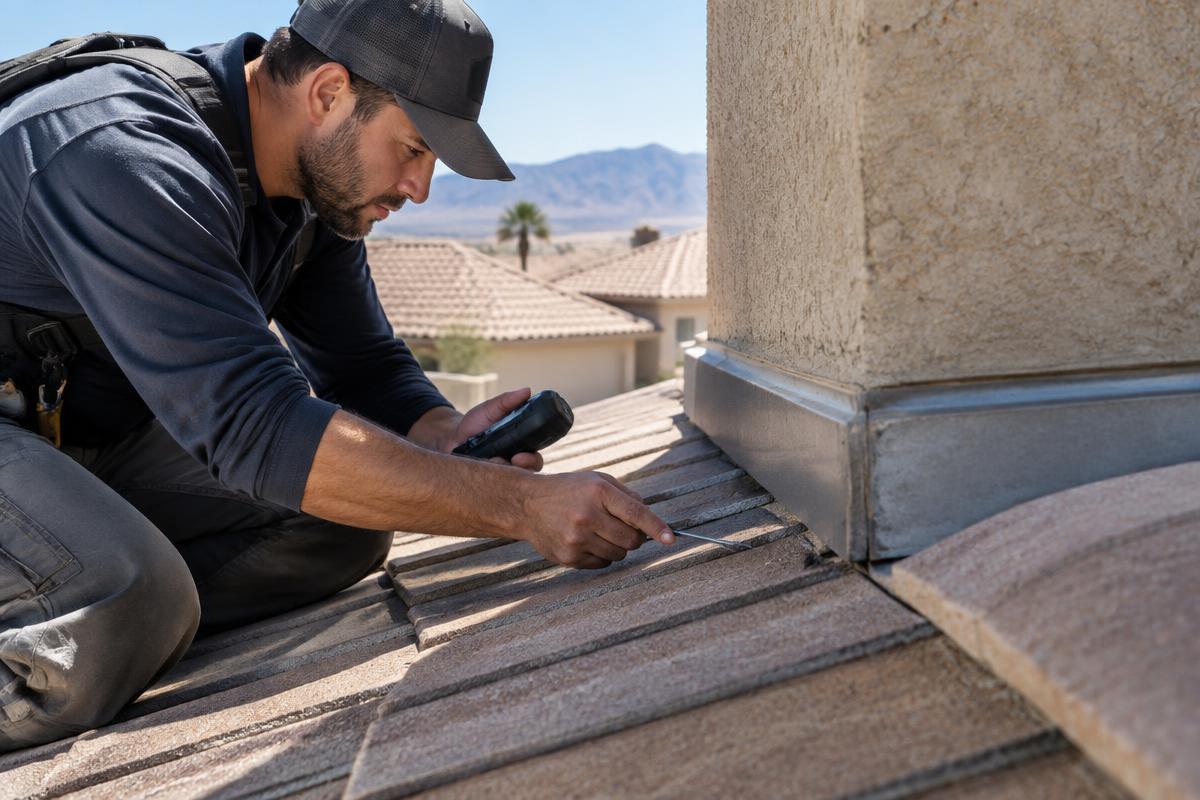
Water infiltrating a home from above rarely makes a dramatic entrance. Instead of a sudden torrent, overhead moisture issues typically manifest as minor, easily overlooked anomalies—a faint discoloration along a ceiling seam, a slight musty odor in an upper-story hallway, or a localized patch of peeling paint near a wall corner. Because these initial indicators seem inconsequential, property owners often postpone taking action. However, roof systems are engineered as continuous protective barriers. Once moisture penetrates the primary shingles or underlayment, it actively compromises hidden structural elements long before a visible drip appears in the living space. Understanding how moisture travels through complex roofing assemblies, recognizing the early warning signs, and knowing when to engage professional diagnostic methods are essential steps in protecting residential infrastructure.
How Overhead Water Intrusion Progresses Behind Modern Building Materials
To understand why small signs warrant prompt attention, one must look at how modern residential roofs are constructed. A typical roofing assembly consists of several distinct layers working in tandem: outer shingles or tiles, synthetic or felt underlayment, ice and water shields along vulnerable valleys, plywood or OSB decking, roof trusses, and attics filled with insulation.
When a breach occurs—whether caused by a cracked flashing boot, wind-lifted shingles, or deteriorated sealant—water enters the system. It does not always travel straight down. Instead, gravity and internal roof geometry guide the water along rafters, beneath underlayment sheets, and across horizontal ceiling joists.
By the time water finally saturates drywall ceiling panels enough to cause visible staining, the internal structure may have been damp for weeks or even months. During this silent phase, several cascading complications develop:
-
Attic Insulation Degradation: Fibrous insulation materials like fiberglass or blown cellulose lose significant thermal resistance (R-value) when damp, leading to energy loss.
-
Structural Decking Rot: Plywood and oriented strand board (OSB) absorb moisture readily, causing wood fibers to swell, delaminate, and lose load-bearing capacity.
-
Fastener Corrosion: Galvanized nails and metal brackets securing roof trusses can rust, reducing structural integrity over time.
-
Microbial Growth: Dark, warm, unventilated attic spaces provide ideal conditions for mold spores to germinate within 24 to 48 hours of initial moisture exposure.
Identifying the Hidden Triggers of Roof System Vulnerabilities
Roof breaches stem from various physical factors ranging from environmental exposure to material degradation. Identifying the potential origin points helps property owners monitor their homes effectively.
Penetration Seals and Pipe Boots
The most common points of failure on any roof are penetrations—places where pipes, vents, chimneys, or skylights pass through the roof deck. Rubber neoprene boots surrounding plumbing stack pipes deteriorate under continuous ultraviolet exposure, cracking over time and allowing water to trickle directly into the attic space surrounding pipe chases.
Flashing Deterioration at Roof Intersections
Metal flashing is installed in areas where roof planes meet vertical walls, valleys, or dormers. Over time, thermal expansion and contraction cause flashing metals to shift, breaking the underlying sealant bond or creating gaps where wind-driven moisture can enter.
Edge Detailing and Fascia Exposure
Along the perimeter, improperly installed drip edges or clogged gutter systems can cause water to back up underneath the bottom course of shingles. This phenomenon, known as capillary action, draws water upward into the roof deck edges, quietly rotting the fascia boards and perimeter framing.
The Role of Precision Testing and Diagnostic Tools
Locating the true entry point of a roof breach is notoriously challenging because the internal water path rarely aligns directly above the visible interior stain. Water routinely enters near the ridge line and travels twenty feet down a rafter before dripping onto the ceiling drywall below. Visual inspections alone often fail to identify these subterranean moisture paths.
This is where specialized evaluation techniques become indispensable. Professional roofers utilize advanced non-destructive equipment to map internal moisture patterns without causing damage to the roof surface.
| Diagnostic Method | Primary Mechanism | Key Advantage |
| Infrared Thermal Imaging | Measures minute surface temperature differences caused by evaporative cooling in moist building materials. | Rapidly identifies hidden damp spots across large ceiling or roof deck areas. |
| Electronic Pinless Moisture Meters | Uses electromagnetic radio frequencies to detect moisture content beneath dry surfaces. | Quantifies exact moisture levels within wood, plaster, and insulation without puncturing materials. |
| Controlled Water Isolation Testing | Applies low-pressure water in isolated zones starting from low roof elevations upward. | Recreates active entry conditions to confirm specific point failures like flashing or boots. |
By deploying these non-invasive technologies, technicians can trace water paths back to their origin point, avoiding unnecessary teardowns and ensuring that structural remedies address the actual root cause rather than merely patching symptoms.
When to Schedule Professional Evaluation and Scope Determination
While routine seasonal visual checks are good practice, certain circumstances demand a more thorough, targeted assessment. Property owners should consider professional evaluation when experiencing any of the following scenarios:
-
Unexplained Ceiling or Wall Discoloration: Yellowish, brownish, or faint ringed stains appearing on top-floor ceilings or upper wall sections indicate intermittent water migration.
-
Peeling Paint or Sagging Drywall: Moisture accumulating behind interior latex paint causes blistering or bubbling, while saturated ceiling drywall will begin to bow downward under added weight.
-
Musty Attic Odors: Persistent, damp smells near attic access hatches or top-floor closets point toward trapped moisture in insulation or framing.
-
Post-Storm Structural Impacts: High-wind events, hail, or heavy precipitation can compromise shingle seals without causing immediate structural collapse.
When structural water intrusion is suspected, homeowners should partner with attentive Summerlin Diagnostic Roof Leak Detection & Repair specialists to pinpoint exact points of entry, evaluate underlying deck conditions, and restore total weatherproofing integrity before structural damage expands.
Essential Steps to Prepare Your Home Before Repairs Begin
When an active water entry point is confirmed and professional work is scheduled, taking preliminary protective steps helps minimize interior property damage and streamlines the restoration process.
Securing the Immediate Interior Space
-
Clear Below Vulnerable Ceilings: Move furniture, electronics, and rug coverings away from areas showing ceiling discoloration or paint bubbling.
-
Catch Active Drips: If water is actively dripping through drywall, place a wide container below the spot. If drywall is severely bulging, carefully poking a small hole in the center with a screwdriver releases trapped water in a controlled manner, preventing a larger ceiling collapse.
-
Ventilate Attic Access: If safe to do so, increase air circulation near attic openings using fans to slow down microbial growth prior to full technical remediation.
Documentation for Insurance Purposes
Photograph all visible internal staining, damaged personal items, and exterior roof conditions if visible from ground level. Detailed records assist insurance adjusters when determining coverage scope for water mitigation and repair.
Long-Term Maintenance to Prevent Recurring Intrusion
Once localized vulnerabilities are resolved, keeping a roof in optimal condition requires an ongoing preventative strategy. Regular maintenance significantly extends the lifespan of the entire roofing system and prevents unexpected water intrusion events.
Ensure gutter systems and downspouts remain free of leaves, pine needles, and debris to prevent water from pooling at the eaves. Inspect perimeter trees and trim overhanging branches that drop organic matter onto shingle surfaces or scrape against protective granules during windstorms. Finally, schedule comprehensive roof perimeter evaluations after major weather events to catch minor flashing separations or seal failures before they develop into widespread structural water damage. Protecting a home requires vigilance, but acting quickly at the first sign of moisture keeps the structure safe, dry, and sound for years to come.
More details are available at: Rank Business Listings
- Managerial Effectiveness!
- Future and Predictions
- Motivatinal / Inspiring
- Fitness and Wellness
- Medical & Health
- Manufacturing
- Education
- Real-Estate
- Food Industry
- Hospitality
- Online Games
- Sports
- Home Services
- Civil Engineering
- Safety and Protection
- Software Products & Services
- Fashion and Jewellery
- Artificial Intelligence
- Entrepreneurship
- Mentoring & Guidance
- Marketing
- Networking
- HR & Recruiting
- Literature
- Shopping
- Career Management & Advancement