

 SkillClick
What Should Commercial Property Owners Know Before Choosing TPO Roofing in Summerlin?
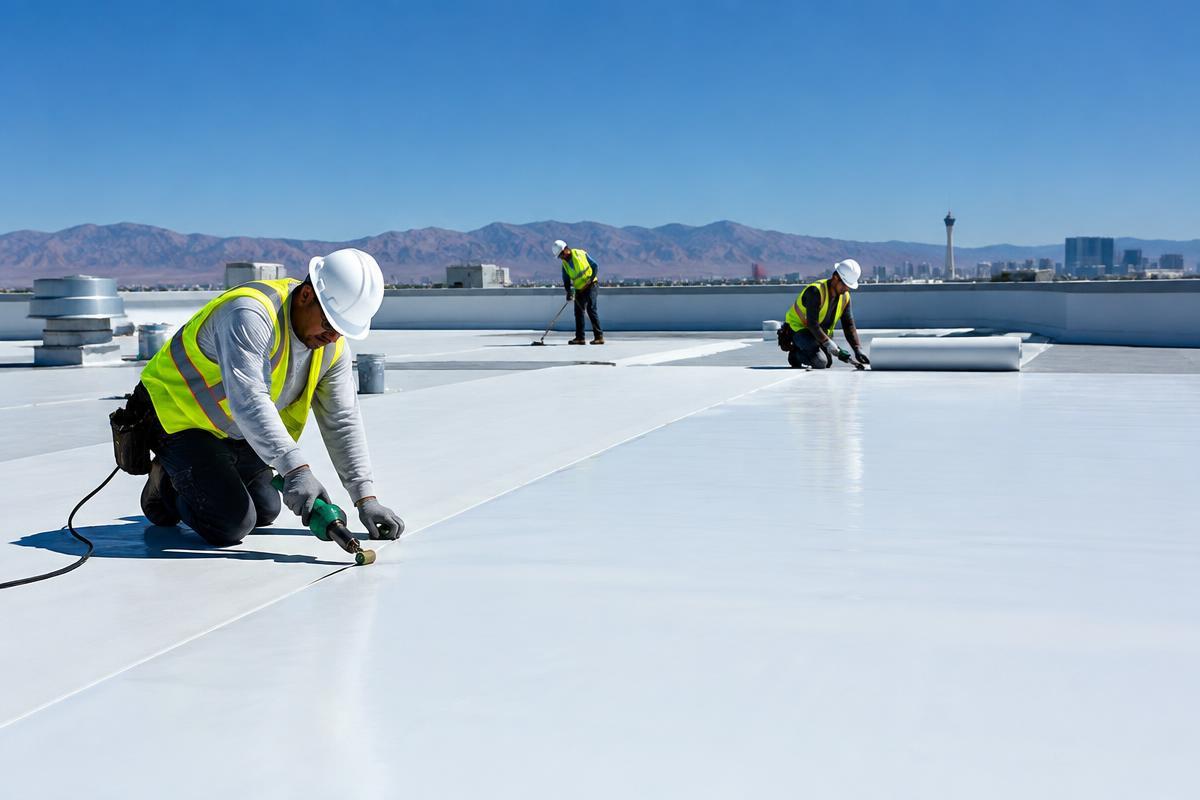
Commercial roofing decisions involve more than selecting a material that looks durable on paper. The roof has to withstand weather, protect the building interior, support day-to-day operations, and remain practical to maintain over the years. For businesses in Summerlin, where intense sun, heat, wind, and sudden weather changes can all affect exterior building materials, the roofing system deserves careful consideration.
Single-ply TPO roofing has become a popular option for many commercial buildings because it combines flexibility, reflective performance, and relatively straightforward installation. However, choosing the right roofing system is only part of the decision. Property owners also need to consider the condition of the existing roof, drainage, insulation, installation quality, seams, flashing, and long-term maintenance.
Why TPO Roofing Fits Many Commercial Buildings
Thermoplastic polyolefin, commonly called TPO, is a single-ply membrane roofing material designed for low-slope and flat commercial roofing applications. Unlike traditional roofing systems that may require multiple layers of different materials, TPO typically uses a membrane that provides the primary weather-resistant surface.
One of its notable characteristics is its light-colored, reflective surface. In a sunny environment such as Summerlin, a reflective roof can help reduce the amount of solar heat absorbed through the roof assembly. That can be particularly relevant for commercial properties where maintaining comfortable indoor temperatures is an ongoing operational concern.
TPO membranes are also flexible. This allows the material to accommodate some of the normal movement that occurs as roofing components expand and contract with temperature changes. The flexibility can be useful in climates where roofs experience substantial temperature variation throughout the year.
What Makes the Installation Process Important?
A high-quality roofing membrane cannot compensate for poor installation. Commercial TPO systems depend heavily on proper preparation, attachment, seam treatment, flashing, and detailing around roof penetrations.
Before installation begins, the existing roof should be evaluated carefully. Depending on the condition of the current system, the project may involve removing old roofing materials, repairing damaged areas, improving insulation, or installing the new membrane over a suitable existing surface.
The roof deck and underlying materials also deserve attention. Moisture trapped beneath a roofing membrane can create problems that may not be obvious from the surface. Identifying damaged insulation, deteriorated decking, or areas with inadequate drainage before installation can help prevent those issues from being concealed beneath the new system.
Seams are another critical part of TPO installation. Individual membrane sheets must be joined properly to create a continuous weather-resistant surface. Poorly formed seams can become vulnerable points where moisture may eventually enter the roofing assembly.
How Does Summerlin's Climate Affect Commercial Roofing?
A commercial roof in Summerlin is exposed to conditions that can place significant stress on roofing materials. Strong sunlight and high temperatures can repeatedly heat the roof surface, while cooler periods cause the materials to contract.
This repeated expansion and contraction makes material flexibility and installation quality particularly relevant. A roofing system should be selected and installed with the local environment in mind rather than treated as a generic building component.
Reflectivity is another consideration. Because the roof can receive substantial solar exposure, a membrane designed to reflect rather than absorb a large portion of incoming sunlight may offer practical benefits for certain commercial buildings.
Wind also deserves consideration. The attachment method used for a TPO system should be appropriate for the building and its specific conditions. Proper edge detailing and secure installation are especially important because roof perimeter areas can experience different wind forces than the central field of the roof.
What Should Property Owners Examine Before Installation?
A commercial roofing project should begin with an assessment rather than an immediate material choice. Property owners should understand what is currently happening beneath the existing roof surface.
Signs such as recurring leaks, damaged ceiling materials, ponding water, deteriorated flashing, or visible membrane damage may indicate that the existing system requires more than a superficial repair.
Drainage deserves particular attention on low-slope commercial roofs. Water should have a practical path toward drains or other designed drainage points. Persistent ponding can place unnecessary stress on roofing materials and may contribute to deterioration over time.
Roof penetrations should also be inspected. HVAC equipment, vents, pipes, skylights, and other penetrations create areas where careful flashing and sealing are necessary. These details can be just as important as the membrane itself.
For businesses considering an upgrade, working with specialized Single-Ply TPO Commercial Roofing in Summerlin can help ensure that the project is approached as a complete roofing system rather than simply a membrane replacement. The objective should be to address the roof's overall condition, drainage, attachment, insulation, seams, and transition details together.
Is TPO Suitable for Every Commercial Property?
TPO can be an effective choice for many commercial applications, but no roofing material is universally appropriate. The right solution depends on factors such as building design, roof slope, existing materials, insulation requirements, drainage configuration, budget, and the property's long-term plans.
A warehouse, retail building, office property, and industrial facility may have very different roofing requirements even when all of them use low-slope roofs.
The existing roof assembly can also influence the decision. In some situations, installing a new membrane over an existing roof may be practical if the underlying structure meets the necessary requirements. In others, removing the existing roofing system may provide a better foundation for the new installation.
That determination should be based on an actual inspection rather than assumptions.
What Maintenance Does a TPO Roof Need?
Installing a commercial TPO roof should not mark the end of the roofing strategy. Regular inspections can help property owners identify small problems before they develop into expensive repairs.
Routine attention should include checking seams, flashing, membrane surfaces, drains, penetrations, and areas around rooftop equipment. Debris should be removed when necessary so drainage paths remain clear.
After severe weather or unusual wind events, an additional inspection may be worthwhile. Minor damage can sometimes be easier to address before moisture has an opportunity to reach insulation, decking, or interior building materials.
Maintenance records can also be useful for commercial property owners. Keeping track of inspections, repairs, and other roofing work creates a clearer history of the system and can make future maintenance decisions easier.
How Can Businesses Avoid Common TPO Roofing Problems?
Many roofing problems begin with details that receive too little attention. Rushing preparation, overlooking drainage, using unsuitable attachment methods, or failing to address deteriorated underlying materials can undermine an otherwise capable roofing system.
Another common mistake is focusing entirely on the initial installation cost. A commercial roof represents a long-term building investment, so property owners should consider installation quality, expected maintenance, energy considerations, repair accessibility, and the condition of the underlying roof.
Choosing a roofing contractor should therefore involve more than comparing estimates. Property owners can ask how the roof will be inspected, how existing problems will be addressed, how seams and penetrations will be handled, and what maintenance considerations should be expected after installation.
Clear communication before work begins can help prevent misunderstandings about the scope of a commercial roofing project.
When Is It Time to Consider a New TPO System?
A new commercial TPO roof may be worth considering when an existing roofing system has reached the point where repeated repairs are becoming difficult to justify. Frequent leaks, widespread membrane deterioration, aging materials, damaged insulation, and recurring drainage problems can all signal that a larger solution deserves evaluation.
However, replacement should not automatically be assumed. Some roofing problems can be addressed through targeted repairs or maintenance. The appropriate decision depends on the roof's actual condition and the property's long-term needs.
For commercial property owners in Summerlin, the goal should be a roofing system that is properly suited to the building, professionally installed, and realistically maintained over time. TPO offers several characteristics that make it an attractive option for low-slope commercial applications, but its performance ultimately depends on the complete roofing assembly and the quality of the work behind it.
A thoughtful evaluation before installation can help businesses avoid preventable problems and make a more informed investment in the protection of their commercial property.
More details are available at: Rank Business Listings
- Managerial Effectiveness!
- Future and Predictions
- Motivatinal / Inspiring
- Fitness and Wellness
- Medical & Health
- Manufacturing
- Education
- Real-Estate
- Food Industry
- Hospitality
- Online Games
- Sports
- Home Services
- Civil Engineering
- Safety and Protection
- Software Products & Services
- Fashion and Jewellery
- Artificial Intelligence
- Entrepreneurship
- Mentoring & Guidance
- Marketing
- Networking
- HR & Recruiting
- Literature
- Shopping
- Career Management & Advancement