

 SkillClick
Digital Menu Boards: Transforming the Pizza Parlor and Coffee Shop Experience
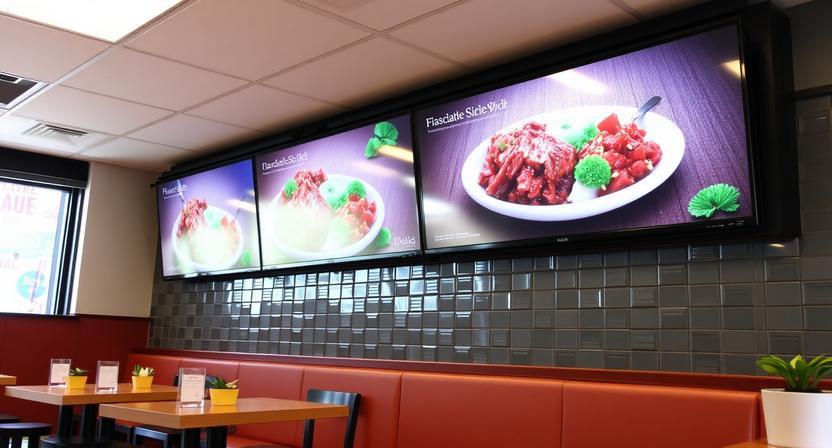
In an era where technology touches nearly every aspect of daily life, the humble menu board has undergone a remarkable transformation. Gone are the days of static chalkboards and faded laminated posters. Today, digital menu boards are revolutionizing how restaurants present their offerings, streamline operations, and connect with customers. From the moment a hungry patron walks through the door, a well-designed digital display can set the tone for the entire dining experience—informing, enticing, and ultimately driving sales. For businesses searching for the perfect pizza digital menu board or a sleek coffee shop menu board, the options have never been more exciting or accessible.
The Rise of Digital Menu Boards
Digital menu boards are electronic displays that showcase menu items, prices, promotions, and other relevant information. Unlike traditional printed menus, these screens can be updated instantly, allowing businesses to respond to changing circumstances in real time. For pizza parlors and coffee shops—two of the most fast-paced segments of the food service industry—this flexibility is invaluable.
The technology behind these boards ranges from simple high-definition televisions connected to a media player to sophisticated cloud-based digital signage systems that can manage multiple locations from a single dashboard. Some advanced systems even incorporate artificial intelligence to adjust displays based on time of day, weather conditions, or customer demographics.
Why Pizza Restaurants Are Embracing Digital Menu Boards
Pizza restaurants operate in a uniquely dynamic environment. Prices fluctuate with the cost of ingredients, seasonal specials come and go, and the lunch rush looks very different from the late-night crowd. A pizza digital menu board addresses all of these challenges with ease.
Consider a busy pizzeria on a Friday evening. With a pizza digital menu board, the owner can automatically switch from the daytime menu to the dinner menu at a predetermined hour, highlighting family-sized combos and promotional deals. If the kitchen runs low on a particular topping, that item can be marked as unavailable within seconds—no more apologizing to customers or crossing items off with a marker.
Moreover, pizza is a highly visual food. High-quality images of bubbling cheese, fresh basil, and golden crusts can be displayed in stunning detail, triggering cravings and encouraging impulse purchases. Studies have consistently shown that food photography increases sales, and a pizza digital menu board makes it easy to rotate imagery to keep the menu looking fresh and appetizing.
A pizza digital menu board also supports upselling. By strategically placing images of garlic knots, chicken wings, or a two-liter soda beside a pizza combo, restaurants can gently nudge customers toward adding extras. Many systems allow for animated transitions and limited-time offers that create a sense of urgency, such as "Free delivery on orders over $25—tonight only!"
How Coffee Shops Benefit from Digital Menu Boards
Coffee shops present a different set of opportunities and challenges. The morning rush demands speed and clarity, while the leisurely afternoon crowd may be more receptive to indulgent seasonal offerings. A coffee shop menu board excels at serving both audiences.
During peak morning hours, a coffee shop menu board can display a simplified menu that emphasizes the most popular items—drip coffee, lattes, cappuccinos, and breakfast pastries—reducing decision fatigue and speeding up the queue. As the day progresses, the board can shift to highlight cold brew, frappes, and seasonal specialties like pumpkin spice lattes or peppermint mochas.
Coffee shops also thrive on customization, and a coffee shop menu board can help customers navigate the many options available. Some systems allow for interactive elements, such as touchscreen ordering kiosks that let customers build their perfect drink step by step. Even non-interactive boards can use icons and color-coding to indicate vegan, dairy-free, or caffeine-free options, making the menu more accessible to a diverse clientele.
Pricing is another area where a coffee shop menu board shines. Coffee prices are particularly sensitive to fluctuations in the global bean market, and dairy alternatives often carry an upcharge. With a digital signage system, these prices can be adjusted across all locations instantly, ensuring consistency and protecting profit margins.
Operational Efficiency and Cost Savings
While the visual appeal of a pizza digital menu board and a coffee shop menu board is undeniable, their operational benefits are equally compelling. Traditional menu boards require design work, printing, and physical installation every time a change is needed. Over the course of a year, these costs add up quickly—especially for businesses that update their menus seasonally or frequently run limited-time offers.
Digital signage eliminates most of these expenses. Once the initial hardware and software are in place, updates are essentially free. A manager can change a price, add a new item, or launch a promotion from a laptop or even a smartphone, with the changes appearing on screens within seconds.
Digital boards also reduce waste. Printed menus and posters that become outdated are simply thrown away, contributing to environmental waste. Digital displays, by contrast, can be updated endlessly without generating physical refuse.
From a staffing perspective, a pizza digital menu board and a coffee shop menu board can ease the burden on employees. When customers can clearly see the menu, prices, and promotions, they ask fewer questions and make decisions faster. This leads to shorter lines, higher throughput, and a smoother overall operation—particularly important during rush periods.
Designing an Effective Digital Menu Board
Creating an effective pizza digital menu board or coffee shop menu board requires more than simply transferring a printed menu onto a screen. Several design principles should be kept in mind.
First, legibility is paramount. Fonts should be large enough to be read from a distance, and contrast between text and background should be high. Busy, cluttered designs may look impressive on a computer screen but can overwhelm customers standing in line.
Second, the layout should guide the eye logically. Items are typically organized into categories—appetizers, pizzas, sides, beverages—with the most profitable or popular items placed in prominent positions. The "golden triangle" concept, borrowed from retail design, suggests that the top-left, top-right, and center of the screen attract the most attention.
Third, motion should be used sparingly. While animations and video content can capture attention, excessive movement can be distracting and even irritating. Subtle transitions and occasional promotional slides tend to be more effective than constant flashing.
Finally, brand consistency is essential. Colors, fonts, and imagery should align with the restaurant's overall aesthetic, reinforcing a cohesive brand experience from the moment a customer walks in. Whether it is a pizza digital menu board or a coffee shop menu board, the design should feel like a natural extension of the brand.
The Future of Digital Menu Boards
As technology continues to evolve, digital menu boards are becoming smarter and more integrated. Some systems now use artificial intelligence to analyze sales data and automatically promote items that are underperforming or approaching expiration. Others integrate with loyalty programs, displaying personalized offers to returning customers.
Voice-activated ordering, augmented reality previews of dishes, and even biometric payment options are on the horizon. For businesses investing in a pizza digital menu board or a coffee shop menu board, staying ahead of these trends could mean the difference between leading the market and falling behind.
Conclusion
Digital menu boards represent a significant leap forward for pizza restaurants and coffee shops alike. A well-designed pizza digital menu board can showcase mouth-watering images, streamline pricing updates, and boost upsells, while a modern coffee shop menu board can simplify the morning rush, highlight seasonal drinks, and enhance the overall customer experience. Together, they offer a powerful combination of visual appeal, operational efficiency, and marketing flexibility that traditional menus simply cannot match. By embracing this technology, businesses can enhance the customer experience, boost sales, and streamline their operations—all while keeping their brand fresh and engaging. In a competitive industry where every second and every dollar counts, investing in a pizza digital menu board or a coffee shop menu board is no longer a luxury; it is becoming an essential ingredient for success.
- Managerial Effectiveness!
- Future and Predictions
- Motivatinal / Inspiring
- Fitness and Wellness
- Medical & Health
- Manufacturing
- Education
- Real-Estate
- Food Industry
- Hospitality
- Online Games
- Sports
- Home Services
- Civil Engineering
- Safety and Protection
- Software Products & Services
- Fashion and Jewellery
- Artificial Intelligence
- Entrepreneurship
- Mentoring & Guidance
- Marketing
- Networking
- HR & Recruiting
- Literature
- Shopping
- Career Management & Advancement