

 SkillClick
Retail Loss Prevention Strategies for Safer and More Efficient Stores
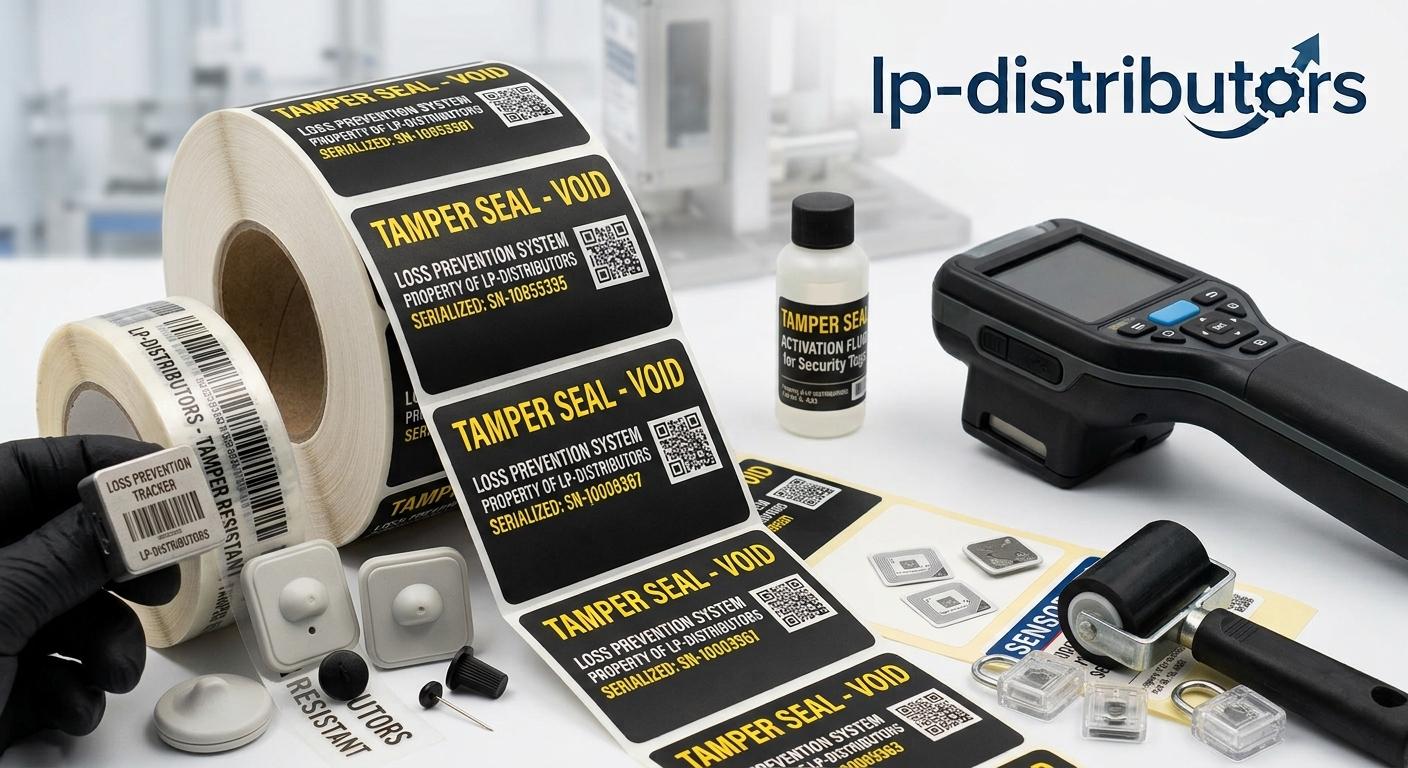
Retail businesses face a wide range of challenges when it comes to protecting merchandise, controlling inventory, and maintaining a secure shopping environment. Shrinkage can result from shoplifting, internal theft, administrative errors, damaged products, and other operational issues. Effective security measures can help retailers reduce avoidable losses while creating a more organized environment for employees and customers. Retail loss prevention is therefore an important part of modern store management, particularly for businesses handling high-value or frequently targeted merchandise. LP-Distributors provides security and loss prevention solutions designed to support retailers in protecting their inventory and improving store security.
Why Retail Loss Prevention Matters for Modern Stores
Effective retail loss prevention involves more than simply placing security equipment near store entrances. Retailers need to consider merchandise protection, employee procedures, customer activity, inventory control, and the overall layout of the shopping environment. A coordinated approach can help businesses identify vulnerabilities and implement measures that address potential sources of shrinkage.
Loss prevention can also support everyday operations by encouraging better inventory awareness and more consistent security practices. When employees understand store procedures and appropriate security measures are positioned strategically, businesses can create a more controlled environment without unnecessarily interfering with the customer experience.
Understanding Retail Shrinkage
Shrinkage refers to inventory that is missing from expected stock levels for various reasons. Theft is one potential cause, but shrinkage can also result from errors in receiving, pricing, stocking, paperwork, returns, or inventory counting.
Understanding the different causes of shrinkage is important because each situation may require a different response. Security products can help address theft-related concerns, while stronger inventory procedures can help reduce losses associated with operational mistakes.
Creating a Security-Focused Store Environment
Store layout can influence how effectively employees monitor merchandise and customer activity. Clear sightlines, organized displays, appropriate product placement, and strategically positioned security equipment can all contribute to a more controlled environment.
Retailers can evaluate areas where merchandise is particularly vulnerable and determine whether additional protection or monitoring would be useful. This approach allows businesses to focus resources where they can have the greatest practical impact.
Security Solutions for Merchandise Protection
Protecting merchandise is a central part of store security. Retailers may use different types of security products depending on the merchandise they sell, store layout, and potential risks associated with specific products.
Electronic article surveillance solutions, security tags, labels, and other merchandise protection products can provide retailers with tools for addressing unauthorized product removal. Choosing the appropriate solution depends on factors such as product type, packaging, store traffic, and existing security infrastructure.
Protecting High-Value Products
Certain merchandise categories may require additional protection because of their value, size, or appeal to thieves. Electronics, cosmetics, designer products, pharmaceuticals, and other small high-value items can present particular security challenges.
Retailers can consider combining merchandise protection with appropriate display strategies and employee awareness. The goal is to protect products while keeping them accessible enough for legitimate customers to shop comfortably.
Security Tags and Labels
Security tags and labels can be integrated into retail environments to help protect merchandise. Different product formats may require different types of protection, so retailers should consider the physical characteristics of the merchandise before selecting a solution.
A suitable tagging strategy can also help employees identify protected products and follow consistent procedures during checkout and merchandise handling.
Explore LP-Distributors Retail Loss Prevention Solutions – https://lp-distributors.com/
How Employees Contribute to Loss Prevention
Technology and security products are valuable tools, but employees also play an important role in reducing retail losses. Staff members who understand store procedures can help identify unusual activity, follow appropriate checkout processes, and maintain awareness of merchandise movement.
Training should focus on practical procedures rather than encouraging employees to place themselves in unsafe situations. Clear guidelines can help staff understand how to respond to suspicious activity while prioritizing customer and employee safety.
Using Store Layout to Reduce Security Risks
The physical design of a retail store can influence visibility and merchandise security. Displays that create hidden areas may make certain sections more difficult for employees to monitor, while well-organized layouts can improve visibility throughout the sales floor.
Retailers can periodically review their store layout as product displays and seasonal merchandise change. Security planning should evolve alongside these changes rather than remaining fixed throughout the year.
Technology and Modern Retail Security
Technology continues to play an important role in retail security. Depending on the needs of a business, retailers may use electronic surveillance, merchandise protection systems, alarm solutions, and other technologies to support their security programs.
The most effective approach is often one that combines technology with sound operational procedures. Security equipment can provide useful protection, but employees still need clear processes for receiving inventory, handling merchandise, completing transactions, and responding to security alerts.
Loss Prevention Beyond Shoplifting
Although shoplifting receives significant attention, retailers should also consider other sources of inventory loss. Employee theft, organized retail crime, administrative errors, damaged products, and inaccurate inventory records can all contribute to shrinkage.
A broader loss prevention strategy allows businesses to examine the entire product lifecycle, from receiving merchandise to displaying it, selling it, processing returns, and recording inventory. Identifying weaknesses at different stages can help retailers develop more effective procedures.
Choosing the Right Loss Prevention Approach
Every retail environment has different security requirements. A small specialty store may have different needs from a large department store, supermarket, pharmacy, or electronics retailer. Product value, store size, customer traffic, staffing levels, and existing security systems should all be considered when developing a loss prevention strategy.
LP-Distributors offers retail security and loss prevention products that can help businesses address merchandise protection and store security requirements. Retailers can evaluate their current vulnerabilities and select solutions that fit their operational environment rather than relying on a one-size-fits-all approach.
Building a More Secure Retail Operation
Reducing retail losses requires a combination of awareness, effective procedures, appropriate merchandise protection, and practical security technology. Retailers that regularly review their inventory processes and security measures are better positioned to identify potential weaknesses before they become larger operational problems.
With the right combination of products and procedures, businesses can work toward protecting merchandise while maintaining a welcoming shopping environment. LP-Distributors can support retailers looking for practical loss prevention products and security solutions tailored to the demands of modern retail operations.
- Managerial Effectiveness!
- Future and Predictions
- Motivatinal / Inspiring
- Fitness and Wellness
- Medical & Health
- Manufacturing
- Education
- Real-Estate
- Food Industry
- Hospitality
- Online Games
- Sports
- Home Services
- Civil Engineering
- Safety and Protection
- Software Products & Services
- Fashion and Jewellery
- Artificial Intelligence
- Entrepreneurship
- Mentoring & Guidance
- Marketing
- Networking
- HR & Recruiting
- Literature
- Shopping
- Career Management & Advancement