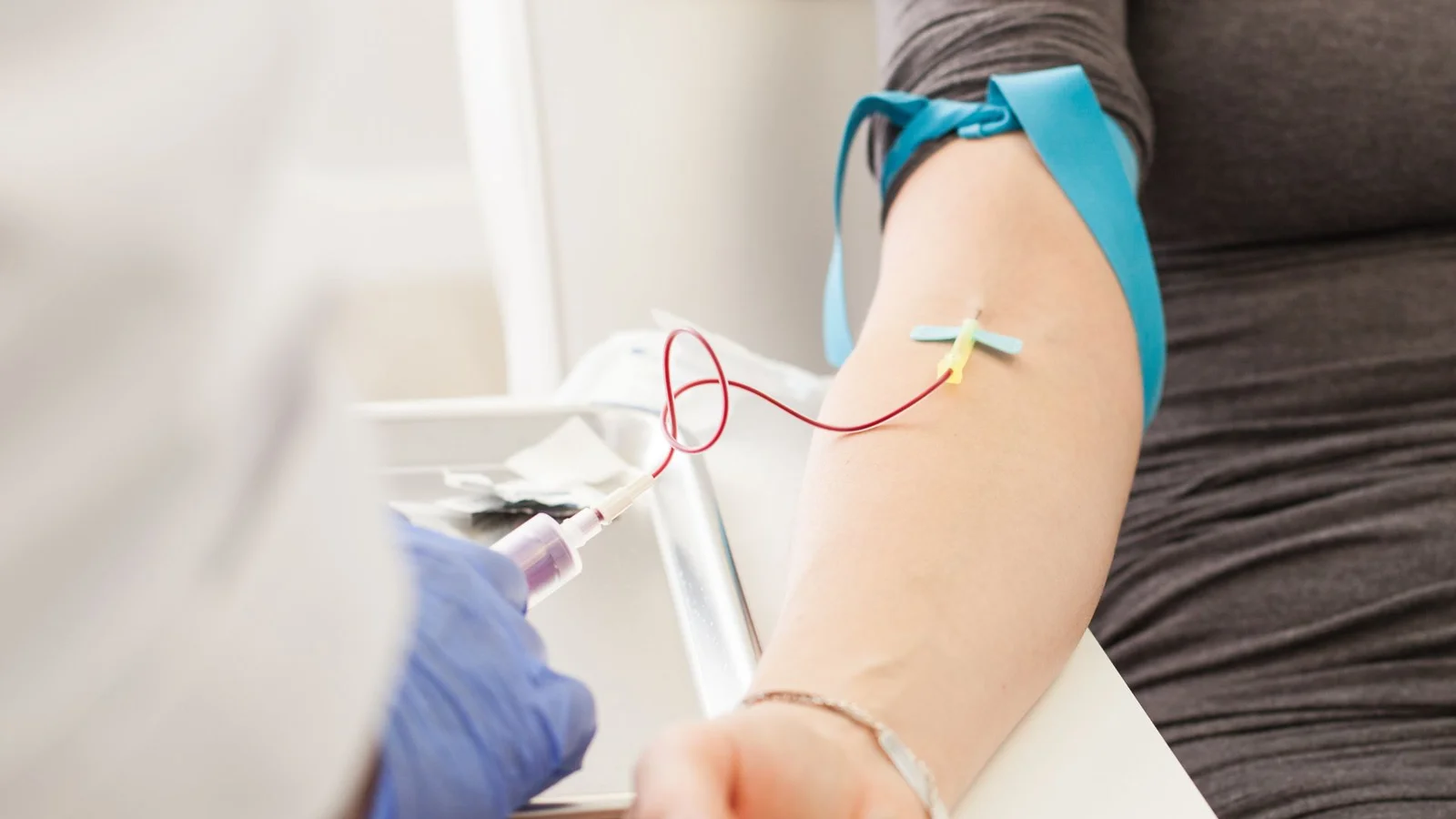
How IV Drip at Home Works

0
0

Home healthcare has become a convenient option for people who need appropriate medical support without making unnecessary trips to a clinic. When intravenous treatment is medically recommended and the patient is considered suitable for home care, IV Drip at Home can provide professional treatment in a familiar environment.

For individuals who need medical assessment or professional healthcare support at home, Doctor At Home In Dubai services can provide access to qualified healthcare professionals. A doctor can evaluate the patient's symptoms, medical history, medications, and overall condition before deciding whether IV treatment is appropriate.

What Is an IV Drip?

An intravenous, or IV, drip is a medical procedure used to deliver fluids, electrolytes, medications, or other prescribed substances directly into a vein. The treatment uses a small catheter that is carefully placed into a suitable vein.

Because the treatment enters the bloodstream directly, IV therapy requires appropriate professional training and infection-control procedures.

With IV Drip at Home, a qualified healthcare professional brings the necessary equipment to the patient's residence and performs the procedure according to the patient's treatment plan.

Step 1: Medical Assessment

The process generally begins with a medical assessment. Before IV treatment is administered, the healthcare professional should determine whether intravenous therapy is appropriate for the patient.

The assessment may include questions about current symptoms, medical history, medications, allergies, hydration status, and previous reactions to IV treatments.

Existing conditions involving the heart, kidneys, circulation, or fluid balance may require additional consideration.

This step helps ensure that treatment is based on individual medical needs rather than convenience alone.

Step 2: Preparing the Treatment Area

Once IV therapy has been considered appropriate, the healthcare professional prepares a clean and comfortable area for the procedure.

The necessary IV equipment and prescribed solution are checked before treatment begins. Proper hygiene and infection-control practices are important because the procedure involves accessing a vein.

The patient should have a comfortable place to sit or lie down during the treatment.

Step 3: Selecting a Suitable Vein

The healthcare professional identifies an appropriate vein, commonly in the arm or hand, depending on the patient's individual circumstances.

The selected area is cleaned using suitable infection-control procedures. A small IV catheter is then carefully inserted into the vein.

Patients may feel a brief pinch or mild discomfort during insertion. Any significant pain should be communicated to the healthcare professional.

Step 4: Connecting the IV Treatment

After the catheter has been placed correctly, it is connected to the prescribed IV fluid or medication.

The healthcare professional ensures that the connection is secure and that the treatment is administered at an appropriate rate.

The type of IV solution depends on the patient's medical requirements. It should not be selected solely because a particular formulation is advertised as beneficial for general wellness.

Step 5: Monitoring During Treatment

Monitoring is an important part of IV Drip at Home. The healthcare professional should remain available and observe the patient throughout the session.

The IV insertion site may also be checked for signs of discomfort, swelling, or other problems.

Patients should immediately report symptoms such as unusual pain, burning, swelling, dizziness, or significant discomfort.

Professional monitoring helps ensure that any concerns can be addressed promptly.

Step 6: Completing the Treatment

Once the prescribed amount of fluid or medication has been administered, the healthcare professional stops the IV treatment.

The catheter is removed carefully, and the insertion site is checked. Appropriate aftercare instructions may be provided depending on the treatment.

The patient can then remain at home rather than having to arrange transportation back from a clinic.

Why Professional Administration Matters

IV therapy is different from ordinary hydration because the treatment enters the bloodstream directly. Incorrect administration can result in complications, which is why professional care is essential.

A qualified healthcare professional understands how to select an appropriate vein, maintain proper hygiene, administer the prescribed treatment, and monitor the patient.

Patients should never attempt to perform IV therapy themselves or allow an untrained person to administer it.

Who May Be Suitable for Home IV Treatment?

Home IV therapy may be suitable for selected patients who require intravenous treatment but do not need hospital-level monitoring.

It can be particularly convenient for people who have difficulty traveling because of limited mobility, recovery needs, or other practical challenges.

However, suitability depends on the patient's medical condition and the type of treatment required. A professional assessment should always take place before home IV therapy.

What Should Patients Tell Their Provider?

Patients should provide complete and accurate health information before treatment. This includes current medications, allergies, medical conditions, recent symptoms, and previous reactions to IV therapy.

It is also important to mention any difficulties with IV access or previous problems during intravenous treatment.

Accurate information allows the healthcare professional to make a more informed decision about treatment and identify potential concerns.

Preparing for IV Drip at Home

Patients can make the appointment easier by preparing a clean, comfortable space. They should keep relevant medical information available and follow any instructions provided before the visit.

Wearing clothing that allows easy access to the arm can also make the procedure more convenient.

During the appointment, patients should remain comfortable and communicate openly with the healthcare professional about how they feel.

When Home IV Therapy May Not Be Appropriate

Some patients require a higher level of medical care than a home visit can provide. People with unstable conditions, severe symptoms, or a need for advanced diagnostic testing may require treatment in a hospital or clinic.

Home IV therapy should never delay emergency care.

Severe chest pain, serious breathing difficulty, loss of consciousness, significant bleeding, severe confusion, or other potentially life-threatening symptoms require immediate medical attention.

Choosing a Reliable Home IV Provider

A professional provider should have qualified healthcare staff, appropriate equipment, proper infection-control procedures, and a clear medical assessment process.

Patients should ask questions about the treatment and make sure they understand why it has been recommended.

A reputable provider should avoid exaggerated claims and should not suggest that IV therapy is necessary for everyone.

The focus should always be on safe and appropriate patient care.

Conclusion

Understanding how IV Drip at Home works can help patients make informed decisions about home-based intravenous treatment. The process generally involves professional assessment, preparation, IV catheter placement, administration of the prescribed treatment, patient monitoring, and safe removal of the IV line.

Home treatment can offer greater convenience for patients who are medically suitable for this type of care. However, IV therapy remains a medical procedure and should only be administered by qualified healthcare professionals.

By receiving proper assessment, providing complete health information, following professional instructions, and choosing a reputable provider, patients can experience the convenience of home-based IV treatment while maintaining appropriate safety standards.


Summary:
1. Div class="qMYQUG_convSearchResultHighlightRoot"> data-is-intersecting="true"> section class="text-token-text-primary w-full focus" data-id="0" ns: 0 - w - data-writing-block: points -none [& :numbers & nbsp ; w = 0] section class="data-turning-.
2. Div class="qMYqUG_convSearchResultHighlightRoot">
Search
Categories
Read More
Safety and Protection
Retail Loss Prevention Strategies for Safer and More Efficient Stores
Retail businesses face a wide range of challenges when it comes to protecting merchandise,...
By Andy Jone 2026-10-06 07:40:06 0 0
Shopping
Cómo Combinar Jeans True Religion Negros para Outfits de Noche
Los jeans True Religion negros son una opción versátil para crear outfits de noche...
By Offical Store 2026-10-06 07:38:42 0 0
Marketing
Industrial Fasteners Market to Reach US$146.5 Billion by 2036 as Infrastructure, Lightweight Materials & EV Manufacturing Accelerate Demand
Industrial fasteners are essential mechanical components used to join, secure, and assemble...
By Mayur Gunjal 2026-10-06 07:37:54 0 0
Hospitality
Which Places Should You Visit on a 7-Day Mauritius Holiday in October?
October is a strong month for exploring Mauritius from India, especially for travellers who want...
By Vihaan Sharma 2026-10-06 07:34:07 0 0
Marketing
Cell Expansion Market Worth USD 86.7 Billion by 2036, India - CAGR 15.9%, China - CAGR 15.4%, USA - CAGR 11.8%
The global cell expansion market is estimated at USD 31.9 billion in 2026 and is projected to...
By Alex Morgan 2026-10-06 07:32:37 0 0