

 SkillClick
Why Customers Spend More on Gifts That Feel Personal
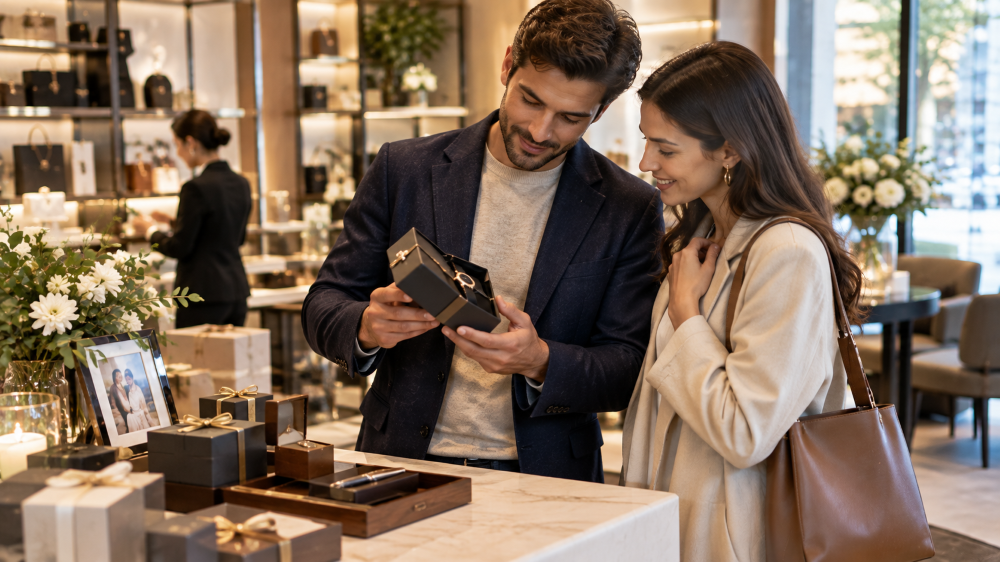
Imagine two people shopping for the same birthday. One chooses a useful, attractive product that would suit almost anyone. The other finds something connected to the recipient's interests, personality, memories, or relationship with the buyer.
The two gifts may have similar functional value, yet the second one can feel significantly more meaningful.
That difference is at the heart of gift-buying psychology. Customers are not always evaluating gifts according to usefulness or material cost alone. They are also thinking about what the gift communicates: thoughtfulness, affection, recognition, appreciation, and understanding.
This is why customers are often willing to spend more when a gift feels genuinely personal. They are not simply purchasing an object. They are purchasing an opportunity to create an emotional experience for someone else.
For gift businesses, understanding this distinction can be more valuable than relying on discounts. When personalization is relevant and meaningful, it can increase perceived value, purchase confidence, satisfaction, and the likelihood of customers remembering the experience.
What Makes a Gift Feel Personal?
Personalization goes far beyond adding someone's name to a product. A gift can feel personal because it reflects something specific about the recipient or the relationship between the giver and recipient.
That might include a name, important date, personal message, hobby, favorite interest, shared memory, cultural reference, or recommendation based on the recipient's preferences.
The important factor is relevance.
A customer is more likely to perceive a gift as thoughtful when it appears to have been selected specifically for the person receiving it. This creates a psychological difference between "I bought something nice" and "I found something that reminded me of you."
Personalization Is About Relevance, Not Just Customization
Something can be technically customized without feeling meaningful.
For example, putting a person's name on an otherwise generic product may add a personal detail, but it does not necessarily demonstrate that the buyer understands the recipient. By contrast, a gift connected to a recipient's passion, a shared experience, or an important milestone may feel much more intentional.
The strongest personalization therefore answers a simple question: Why is this specifically right for this person?
Why Emotional Value Changes How Customers Judge Price
Ordinary purchases are often evaluated through practical considerations such as quality, usefulness, durability, and price. Gifts introduce another layer of evaluation because they carry social and emotional meaning.
A gift can represent love, friendship, gratitude, celebration, respect, or appreciation. The buyer is therefore considering not only what the product does but also what it communicates.
This can influence willingness to pay.
A customer may accept a higher price when they believe the additional expense will produce a more meaningful experience for the recipient. That does not mean personalization automatically justifies a higher price. Rather, the perceived benefit extends beyond the physical characteristics of the product.
Buyers Are Often Paying for Meaning
When selecting a gift, customers may mentally consider questions such as:
- Will this make them feel appreciated?
- Does this show that I know them?
- Will they remember receiving it?
- Does it fit the occasion?
- Does it communicate what I want to say?
These questions demonstrate why gift purchasing can involve a different value calculation from everyday shopping.
The customer may be paying for the emotional outcome associated with giving the gift, not merely for the item itself.
The Psychology Behind Thoughtful Gift-Giving
Gift-giving is closely connected to social relationships. People use gifts to celebrate milestones, strengthen connections, express gratitude, and communicate feelings that can sometimes be difficult to put into words.
Several psychological factors can influence these decisions.
Emotional connection makes a gift feel relevant to a relationship. A present associated with a shared memory can carry significance beyond its practical usefulness.
Social bonding also matters. Giving something thoughtful can reinforce the relationship between the giver and recipient.
Identity and self-expression influence the buyer as well. People may choose gifts that reflect how they see themselves as a friend, partner, parent, colleague, or professional.
Anticipation can influence the experience too. Buyers often imagine the recipient's reaction before completing the purchase, making the expected emotional response part of the shopping decision.
Consider a graduation gift, an anniversary present, or recognition for an employee. In each situation, the physical item is only part of the message. The buyer is also communicating recognition, pride, affection, or appreciation.
Why Personalization Reduces the Fear of Choosing the Wrong Gift
Gift shopping can involve considerable uncertainty. Customers may worry that the recipient will dislike the product, consider it inappropriate, or fail to see why it was chosen.
Personalization can reduce some of this uncertainty when it is genuinely relevant.
A buyer who selects something based on the recipient's known interests may feel more confident than someone choosing from a broad collection of generic products. The personalization provides a reason for the decision.
Customers may think, "They love this," or "This reminds me of something we experienced together." That connection can make the purchase feel more defensible and intentional.
Personalization Can Increase Purchase Confidence
Businesses can support this confidence by helping shoppers understand why a particular product might suit a particular recipient.
Occasion-based recommendations, recipient-focused categories, clear personalization options, and useful examples can reduce decision friction without overwhelming the customer.
The goal is not to force personalization into every purchase. It is to help customers recognize when a personal detail genuinely improves the gift.
Personal Gifts Can Increase Perceived Value
It is useful to distinguish between product value and perceived gift value.
Product value relates to the item's functional characteristics, materials, quality, usefulness, and other tangible benefits.
Perceived gift value includes those factors but also incorporates emotional, social, symbolic, and personal meaning.
A relatively simple product can therefore become highly significant when it connects strongly with the recipient.
This is one reason two products with similar physical characteristics can produce very different reactions as gifts. The recipient may attach greater meaning to the item that demonstrates understanding or reminds them of an important relationship.
For businesses, the lesson is not simply to charge more for personalization. Instead, it is to understand which forms of personalization actually improve relevance and the customer experience.
The Role of Presentation in a Personalized Gift Experience
Personalization does not end when the customer chooses a product. The surrounding experience can reinforce or weaken the sense of thoughtfulness.
Product presentation, personal messages, ordering simplicity, delivery timing, communication, customer service, and personalization accuracy can all affect how the experience is perceived.
Even small physical details can reinforce the feeling that a gift was intentionally selected. For example, a customer who wants the entire experience to feel considered may look for custom printed gift boxes as part of a broader presentation that complements the occasion and the recipient. The important point is that presentation should support the emotional meaning of the gift rather than become the focus itself.
Accuracy is particularly important. A misspelled name or incorrect date can quickly undermine the positive impression personalization was supposed to create.
Timing matters as well. A beautifully personalized gift that arrives after an anniversary, birthday, or graduation may create frustration rather than delight.
Personalization and Different Types of Gift Buyers
Not every customer approaches gifting in the same way.
The Emotional Buyer
This customer prioritizes sentiment and looks for something that communicates a strong personal connection. Meaningful messages, memories, and recipient-specific details can be especially important.
The Practical Buyer
Practical buyers may appreciate personalization but do not necessarily want excessive customization. They are more likely to value useful products with a simple personal element.
The Premium Buyer
Premium buyers may be interested in exclusivity, craftsmanship, uniqueness, and a sense that the gift was carefully selected rather than mass-market.
The Last-Minute Buyer
These shoppers often prioritize speed and convenience. Businesses can still offer personalization, but the process needs to be simple and compatible with the customer's limited time.
The Corporate Buyer
Corporate gifting involves different expectations. Personalization needs to feel appropriate and professional while still communicating recognition and appreciation.
Understanding these differences allows gift businesses to create experiences that serve different motivations instead of treating every customer identically.
Why Personalization Can Strengthen Customer Loyalty
A successful gift purchase can become more memorable than an ordinary transaction.
If a business makes it easy for customers to find an appropriate gift, personalize it accurately, complete the order smoothly, and deliver it on time, the overall experience can influence future purchasing behavior.
Satisfied customers may return for another occasion. They may also recommend the business to friends, colleagues, or family members.
The relationship becomes especially valuable when customers associate the business with successful moments in their lives. A company that helps someone find the right birthday gift, anniversary present, or corporate recognition item may become part of the customer's future gifting routine.
Memorable Experiences Can Become Brand Assets
Customers do not always remember every product detail. They may remember how easy the purchase was, how confident they felt about their choice, or how the recipient reacted.
That emotional memory can become an important part of brand preference.
The Business Value of Understanding Gift-Buying Psychology
Gift businesses can use consumer psychology to make smarter decisions across the customer journey.
Product selection can be organized around occasions, recipients, interests, or emotional motivations. Websites can provide recommendations based on the type of person receiving the gift. Customer service teams can help shoppers overcome uncertainty.
Seasonal campaigns can also focus on the meaning behind an occasion rather than simply promoting products.
The key is to make personalization helpful rather than complicated. Too many choices can increase decision fatigue, particularly for customers who are already uncertain about what to buy.
A strong personalized shopping experience should make the customer feel guided, not overwhelmed.
Common Personalization Mistakes Gift Businesses Make
One common mistake is offering customization that has little meaningful connection to the recipient. A personal detail is not automatically valuable simply because it is unique.
Another problem is asking customers for too much information. Excessive choices can make a simple purchase feel like a project.
Generic messages can also weaken the effect of personalization. If every customer is encouraged to use the same sentimental wording, the experience can feel manufactured.
Accuracy is another critical issue. Names, dates, and messages must be handled carefully because mistakes can have an outsized emotional impact.
Businesses should also avoid ignoring delivery timelines. Occasion-based purchases are particularly sensitive to delays.
Finally, personalization should never compensate for poor product quality. Customers may appreciate a meaningful detail, but the underlying gift still needs to meet reasonable expectations.
How Gift Businesses Can Create More Valuable Personalized Experiences
1. Understand the Occasion
A birthday, wedding, graduation, anniversary, and corporate milestone can create very different emotional expectations.
2. Understand the Recipient
Give customers practical ways to match products with interests, personalities, relationships, and preferences.
3. Make Personalization Relevant
Focus on details that add meaning instead of offering customization simply because it is technically possible.
4. Reduce Decision Friction
Clear recommendations, examples, and straightforward choices can help customers move from uncertainty to confidence.
5. Protect Accuracy
Names, dates, messages, and other personal details should be checked carefully before fulfillment.
6. Deliver on Time
Timing is especially important when customers are purchasing for a specific occasion.
7. Make the Experience Consistent
The website, ordering process, communication, delivery, and product experience should feel like parts of the same customer journey.
8. Learn From Customer Feedback
Reviews and customer comments can reveal which forms of personalization actually create value and which simply add complexity.
Future Trends in Personalized Gift Buying
Personalized shopping is likely to become increasingly connected to technology.
AI-powered recommendations can help customers discover gifts based on occasions, interests, and previous shopping behavior. Interactive customization can make it easier to visualize choices before purchasing. Social commerce and creator-led discovery may also influence how consumers find personalized gift ideas.
Corporate gifting is another area where data-driven personalization can become more useful, particularly when businesses need to recognize different employees, clients, or partners appropriately.
However, personalization must be balanced with privacy.
There is a significant difference between making a customer feel understood and making the customer feel monitored. Businesses should be transparent about how customer information is used and avoid collecting unnecessary personal data.
The strongest future experiences will likely be those that make recommendations feel helpful without becoming intrusive.
Conclusion
Customers may spend more on gifts that feel personal because they are not purchasing only a physical product. They are also purchasing meaning, thoughtfulness, emotional connection, relevance, memory, and social expression.
Personalization can increase perceived value when it demonstrates genuine understanding of the recipient. But effective personalization is not about adding the greatest number of custom features. It is about making the gift feel intentionally chosen.
For gift businesses, the opportunity lies in understanding why people give gifts and what they hope those gifts communicate. When businesses make that process easier, more relevant, and more reliable, they can create experiences that customers remember long after the purchase.
- Managerial Effectiveness!
- Future and Predictions
- Motivatinal / Inspiring
- Fitness and Wellness
- Medical & Health
- Manufacturing
- Education
- Real-Estate
- Food Industry
- Hospitality
- Online Games
- Sports
- Home Services
- Civil Engineering
- Safety and Protection
- Software Products & Services
- Fashion and Jewellery
- Artificial Intelligence
- Entrepreneurship
- Mentoring & Guidance
- Marketing
- Networking
- HR & Recruiting
- Literature
- Shopping
- Career Management & Advancement