

 SkillClick
How Can Global Developmental Delay Symptoms Vary Between Children?
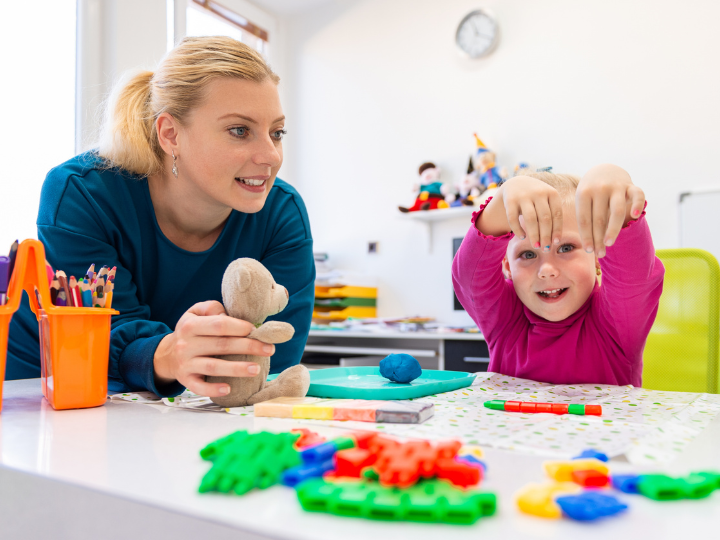
Every child develops at their own pace, but some may experience delays across several areas of development. Global developmental delay symptoms can look quite different from one child to another, depending on which developmental skills are affected and how significantly they are delayed. Understanding these differences can help families recognise when professional guidance may be appropriate.
What Is Global Developmental Delay?
Global developmental delay refers to noticeable delays in two or more areas of a child’s development. These areas may include communication, movement, learning, social interaction and everyday skills. One child may have more difficulty with speech, while another may experience greater challenges with motor skills or social development.
Communication and Language Differences
Some children may take longer to use words, form sentences or understand spoken instructions. They may have difficulty expressing their needs or following conversations appropriate for their developmental stage. Others may communicate through gestures, facial expressions or sounds for longer than expected.
These global developmental delay symptoms can vary in severity. A child who has a limited vocabulary may have different needs from another child who speaks but struggles to understand language or communicate effectively.
Motor Skill Development
Movement-related delays can also differ significantly. Some children may experience difficulty sitting, crawling, walking, running or using their hands for everyday activities. Fine motor challenges may affect tasks such as holding a pencil, using cutlery, dressing or manipulating small objects.
A child may show delays mainly in gross motor skills, while another may experience both gross and fine motor difficulties. This is one reason developmental concerns should be considered individually rather than based on a single milestone.
How Can Developmental Delays Affect Daily Life?
The impact of developmental delays may become noticeable during play, learning and everyday routines. A child might find it difficult to participate in age-appropriate activities, follow instructions, interact with peers or complete self-care tasks independently.
Early professional support can help identify a child’s strengths and areas requiring additional assistance. Depending on their individual needs, global delay development treatment may involve input from different professionals and may focus on communication, motor development, learning, social participation and functional skills.
Social and Learning Differences
Some children may find social interaction challenging, including taking turns, responding to others or joining group activities. Others may have difficulty concentrating, learning new concepts or remembering instructions.
Importantly, developmental delay does not look the same in every child. Strengths can also be present alongside areas of difficulty. A child may have strong visual skills, curiosity or problem-solving abilities while experiencing challenges with speech or movement.
When Should Parents Seek Professional Guidance?
Parents and carers may consider speaking with qualified professionals when a child consistently appears behind expected developmental milestones or loses skills they previously had. Concerns may involve speech, movement, learning, behaviour, social interaction or everyday independence.
A developmental assessment can provide a clearer understanding of the child’s current abilities and identify areas where support may be beneficial. Professionals can then help families understand suitable strategies and developmental support options.
FAQs
Can global developmental delay symptoms change over time?
Yes. A child’s developmental profile can change as they grow, learn new skills and receive appropriate support. Some areas may improve more quickly than others.
Are all children with developmental delays affected in the same way?
No. The areas affected and the level of difficulty can vary considerably. Each child’s developmental profile should be considered individually.
What support may be included in global delay development treatment?
Support depends on the child’s individual needs. It may include developmental, communication, occupational, educational or other professional interventions designed around specific areas of difficulty.
Can early support help children with developmental delays?
Early identification can help families access appropriate professional guidance and support strategies sooner. The type and extent of support should be determined according to the child’s individual developmental needs.
- Managerial Effectiveness!
- Future and Predictions
- Motivatinal / Inspiring
- Fitness and Wellness
- Medical & Health
- Manufacturing
- Education
- Real-Estate
- Food Industry
- Hospitality
- Online Games
- Sports
- Home Services
- Civil Engineering
- Safety and Protection
- Software Products & Services
- Fashion and Jewellery
- Artificial Intelligence
- Entrepreneurship
- Mentoring & Guidance
- Marketing
- Networking
- HR & Recruiting
- Literature
- Shopping
- Career Management & Advancement