

 SkillClick
Human Centric Lighting Market Expands Through Intelligent Controls and Personalized Lighting Experiences
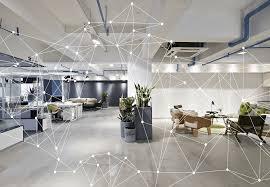
The modern built environment is undergoing a fundamental transformation where occupant wellness and environmental adaptability are prioritized equally with structural aesthetics and energy efficiency. At the heart of this revolution is the rapid adoption of dynamic illumination systems designed to mimic natural solar cycles within indoor spaces. The shift toward these intelligent biological lighting solutions stems from a growing body of scientific research demonstrating how proper spectral composition and intensity directly influence circadian rhythms, cognitive performance, visual comfort, and overall physiological health. Commercial facility operators, corporate real estate executives, and Healthcare architects are increasingly treating artificial illumination not merely as a utility expense, but as a proactive value-driver that enhances employee productivity and reduces absenteeism. To achieve these ambitious outcomes, modern projects require seamless integration between solid-state luminaires, digital sensor networks, and central management software. This interconnected infrastructure relies heavily on advanced control protocols and centralized automation frameworks that aggregate real-time occupancy, daylight availability, and physiological schedules. By examining the Human Centric Lightings Market Size, industry stakeholders can better understand how central management systems drive this technological synergy across large-scale commercial deployments and multi-tenant smart facilities.
Integrating bio-adaptive illumination into existing or newly constructed commercial properties demands a sophisticated infrastructure capable of orchestrating complex scheduling, spectral tuning, and localized sensory feedback without user friction. Modern facility managers are realizing that standalone biological luminaires cannot reach their full potential without being networked into broader facility management platforms. Through automated daylight harvesting, predictive usage algorithms, and localized zone override controls, smart lighting control systems reduce peak electrical demand while dynamically maintaining optimal color temperatures and light levels throughout the day. This duality of optimizing energy operational budgets while maximizing human biological comfort makes the business case compelling for corporate enterprise upgrades. Furthermore, the convergence of Internet of Things (IoT) sensors within modern lighting fixtures allows facilities to collect ambient environment data, occupancy heatmaps, and continuous energy consumption metrics. As sustainable building certifications like WELL and LEED continue to gain market traction, the reliance on automated building control frameworks becomes essential for capturing necessary performance credits. Decisions surrounding infrastructure investment require clear insight into overarching technical paradigms, capital allocation strategies, and cross-functional technology integrations to deliver measurable long-term asset value.
Frequently Asked Questions
How does human centric lighting influence biological circadian rhythms? Human centric lighting dynamically shifts spectral output and intensity throughout the day, providing higher blue-enriched light in the morning to suppress melatonin and boost alertness, followed by warmer, dimmer light in the evening to facilitate natural rest cycles.
Why is smart control system integration essential for bio-adaptive lighting projects? Smart control integration allows centralized systems to automate time-based spectral tuning, harmonize artificial output with natural daylight harvesting, and monitor real-time spatial usage to maximize biological effectiveness while maintaining optimal energy efficiency.
➤➤➤Explore MRFR’s Related Ongoing Coverage In Semiconductor Industry:
Road Assistance Insurance Market
- Managerial Effectiveness!
- Future and Predictions
- Motivatinal / Inspiring
- Fitness and Wellness
- Medical & Health
- Manufacturing
- Education
- Real-Estate
- Food Industry
- Hospitality
- Online Games
- Sports
- Home Services
- Civil Engineering
- Safety and Protection
- Software Products & Services
- Fashion and Jewellery
- Artificial Intelligence
- Entrepreneurship
- Mentoring & Guidance
- Marketing
- Networking
- HR & Recruiting
- Literature
- Shopping
- Career Management & Advancement