

 SkillClick
Armored Hoodies: Protective Apparel Designed for Comfort and Flexibility
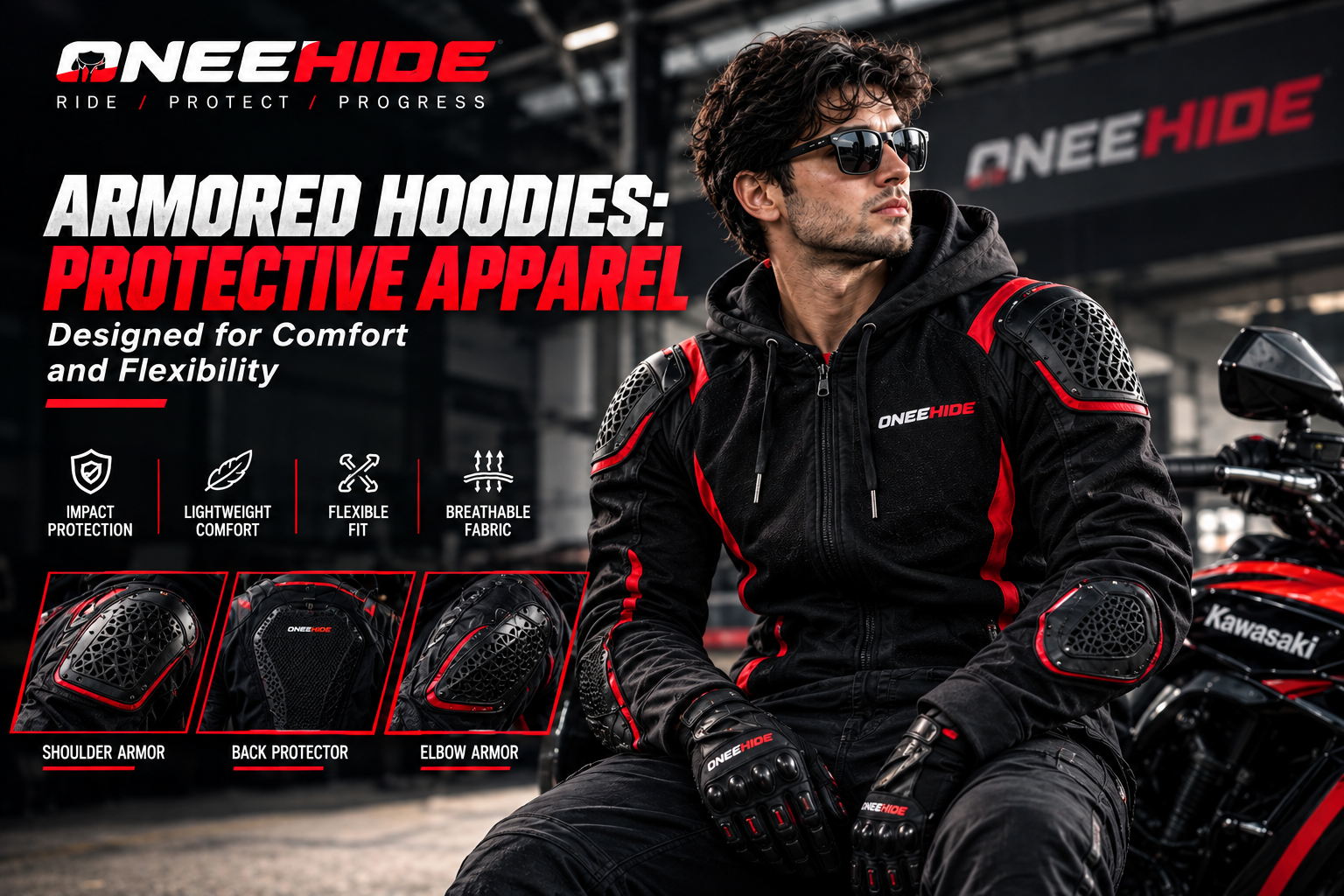
Armored hoodies combine the familiar comfort of casual clothing with features developed for motorcycle riding. They are designed for riders who prefer a less traditional appearance while still looking for abrasion resistance and impact protection in key areas of the body.
Unlike an ordinary sweatshirt, a motorcycle-specific armored hoodie may include protective materials, armor inserts, reinforced construction, reflective details, and pockets for additional protectors. Current examples on the market include garments certified under the European EN 17092 protective motorcycle garment standard, with different protection classes depending on the garment's design and intended use.
What Makes an Armored Hoodie Different?
A conventional hoodie is primarily designed for warmth and casual wear. A riding hoodie, on the other hand, is built around the risks associated with motorcycle use.
The outer construction may incorporate abrasion-resistant textiles or aramid reinforcement. Some designs also use stretch fabrics to maintain freedom of movement while keeping protective components in position. For example, current riding hoodies are available with aramid reinforcement, CE-certified armor, and abrasion-tested outer fabrics.
This combination gives riders an option that looks more like everyday apparel while incorporating features that ordinary streetwear does not provide.
Abrasion-Resistant Construction
One of the important considerations when choosing a protective hoodie is the material used in areas exposed to abrasion.
Some armored hoodies use aramid fibers or reinforced textile panels to provide additional resistance against abrasion. Other designs rely on specially engineered multi-layer fabrics that balance protection with flexibility.
The level of protection varies considerably between products. For instance, examples currently sold as CE Class A and CE Class AA garments demonstrate that two hoodies can have very different levels of tested protection even though they may have a similar casual appearance.
This is why the garment's certification should be checked rather than assuming that every hoodie marketed as "armored" provides the same level of protection.
Impact Protection and Armor
The word "armored" generally refers to protective inserts positioned over areas such as the shoulders and elbows. Depending on the design, a hoodie may also include a compartment for a back protector.
Armor itself can vary in performance level. Current products are available with CE Level 1 and Level 2 protectors, with some garments allowing the rider to install a separate back protector.
Flexible armor can be particularly useful because it needs to remain comfortable while a rider moves their arms and shoulders. Removable protectors can also make a garment easier to wear or clean, although the protective configuration required for riding should always be maintained.
Comfort and Flexibility
One reason riders choose hoodies instead of conventional motorcycle jackets is their casual feel. Stretch materials, knitted cuffs, softer liners, and ergonomic construction can make a protective garment more comfortable during commuting and everyday riding.
Some current motorcycle hoodies use four-way stretch fabrics, breathable mesh, elastic cuffs, and moisture-wicking liners. These features can help reduce the restrictive feeling sometimes associated with heavier motorcycle apparel.
For armored hoodies for everyday protection, the important distinction is that "everyday" should describe the riding context, not suggest that the garment offers protection for every type of accident or activity. A certified motorcycle garment is intended for the conditions and risks covered by its specific standard and protection class.
Ventilation for Urban Riding
Heat management can make a substantial difference when riding through busy urban areas. A rider may encounter slow traffic, frequent stops, and warm weather, making ventilation an important consideration.
Mesh panels and breathable linings can increase airflow. The REAX Moto Air CE Hoody, for example, combines a mesh outer construction with moisture-wicking lining and flexible armor for warm-weather riding.
Other hoodies use multilayer materials designed to provide greater weather protection. The right construction depends on the climate, riding conditions, and whether the garment will be used primarily during warm, cool, or changing weather.
Hood, Cuffs, and Practical Details
The hoodie format also introduces several design features that influence usability.
A properly designed hood should not interfere with the helmet or create excessive movement while riding. Some products include ways to secure or detach the hood when it is not being used. Reflective details can also increase visibility in lower-light conditions.
Cuffs and waist sections should fit securely without making the garment uncomfortable. Zipped pockets are useful for carrying small personal items, while attachment loops can help connect the garment with motorcycle trousers on some models.
These details may appear minor, but they can make a protective hoodie more practical for regular commuting.
Choosing the Correct Fit
Fit is particularly important for armored apparel because protective inserts need to stay in their intended positions.
The shoulders should sit correctly, while elbow armor should remain aligned with the elbows when the rider assumes a normal riding position. The garment should provide enough room for natural arm movement without becoming excessively loose.
Try the hoodie while sitting in the riding posture rather than evaluating it only while standing. Check the sleeve length, shoulder position, elbow armor, waist coverage, and compatibility with the rest of your riding gear.
A hoodie that feels comfortable as casual clothing may not have the same fit when the rider is leaning toward the handlebars.
Check the Certification
Certification provides a more reliable way to evaluate protective motorcycle apparel than appearance alone.
EN 17092 establishes different classes of protective motorcycle garments. Current examples include Class A and Class AA hoodies, while higher-rated garments can be found in other categories. The classes reflect different levels of abrasion and impact-related performance requirements and are intended for different riding conditions.
Riders should therefore check the exact certification marking supplied with the garment and compare it with the requirements of their riding environment or organization. Armor certification and garment certification are also separate considerations, so both should be reviewed.
Maintenance and Inspection
Protective clothing should be inspected regularly. Check the fabric for excessive wear, examine stitching and closures, and make sure protective inserts are not damaged.
Removable armor should be taken out before cleaning when the manufacturer's instructions require it. Care instructions should be followed carefully because unsuitable washing, drying, or chemical treatment could affect the materials.
Inspect the garment after a significant fall or crash as well. Visible damage may not always tell the entire story, and damaged protective equipment may need replacement.
Choose Protection Around Your Riding Needs
Armored hoodies offer a practical middle ground between ordinary casual clothing and more traditional motorcycle jackets. Their combination of abrasion-resistant materials, impact protectors, flexible construction, and familiar styling makes them suitable for riders who value comfort and a less technical appearance.
The key is to look beyond the hoodie design itself. Examine the garment's certification, protective class, armor type, material construction, fit, ventilation, and intended riding conditions. Choosing based on these factors helps ensure that comfort and flexibility do not come at the expense of the protective features the garment is designed to provide.
- Managerial Effectiveness!
- Future and Predictions
- Motivatinal / Inspiring
- Fitness and Wellness
- Medical & Health
- Manufacturing
- Education
- Real-Estate
- Food Industry
- Hospitality
- Online Games
- Sports
- Home Services
- Civil Engineering
- Safety and Protection
- Software Products & Services
- Fashion and Jewellery
- Artificial Intelligence
- Entrepreneurship
- Mentoring & Guidance
- Marketing
- Networking
- HR & Recruiting
- Literature
- Shopping
- Career Management & Advancement