

 SkillClick
Rhinoplasty Dubai for Patients With a Drooping Nasal Tip
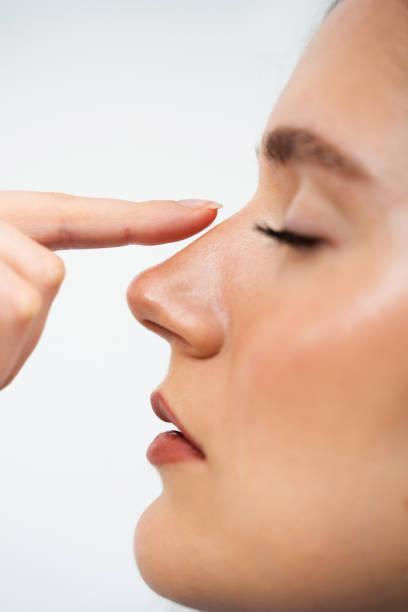
A drooping nasal tip can make the nose appear longer, heavier, or less balanced with the upper face, particularly when viewed from the side. Rhinoplasty Dubai can address selected cases by modifying the structures that control tip support, projection, and rotation while preserving an appropriate nasal framework.
Some patients notice that the tip points downward at rest, while others see greater downward movement when smiling. The underlying causes can differ, so treatment needs to begin with an anatomical assessment rather than assuming every drooping tip requires the same correction.
The surgeon may evaluate cartilage strength, septal structure, nasal length, tip projection, facial proportions, and the relationship between the upper lip and nose.
What Can Cause a Drooping Nasal Tip
A downward-pointing tip can have several structural or dynamic contributors.
Nasal tip cartilage
The lower lateral cartilages help determine tip shape and support.
Their orientation and strength can influence whether the tip appears projected, rotated upward, neutral, or downward.
Septal structure
The caudal portion of the nasal septum contributes to tip support and projection.
Its position can influence the relationship between the nasal tip and the upper lip.
Nasal length and profile
A nose may appear longer when the tip points downward.
This can make the nose appear more prominent from the side even when the bridge itself is not particularly high.
Dynamic changes during smiling
Some patients notice greater downward movement of the tip when smiling.
Muscular movement and the relationship between the nasal structures and upper lip can contribute to this dynamic appearance.
Rhinoplasty Dubai for Tip Rotation and Projection
Tip rotation refers to the direction in which the nasal tip points.
A surgical plan may consider whether the tip needs:
- Improved support
- Controlled upward rotation
- Modified projection
- Structural reshaping
- Better balance with the nasal bridge
The objective is not to rotate every drooping tip upward by the same amount. Excessive upward rotation can produce an unnatural appearance or alter the relationship between the nose and upper lip.
Why conservative correction can matter
A natural-looking nasal profile depends on subtle relationships between the bridge, tip, nostrils, lips, and chin.
Over-rotation can make the nostrils excessively visible from the front or side. The surgeon therefore needs to establish an appropriate target based on facial anatomy.
Rhinoplasty Dubai and the Nasal Tip–Upper Lip Relationship
The position of the nasal tip can influence how the area between the nose and upper lip appears.
A downward-pointing tip may make the upper lip appear less visible in profile, while excessive upward rotation can create the opposite effect.
This relationship is one reason surgeons assess the nose as part of the entire facial profile rather than treating the tip in isolation.
Drooping Tip During Smiling
Some patients notice a drooping tip mainly when they smile.
This can be different from a tip that points downward continuously at rest.
Static tip drooping
A static drooping tip is visible when the face is relaxed.
The underlying anatomy may include cartilage orientation, septal support, nasal length, or other structural factors.
Dynamic tip drooping
A dynamic change becomes more noticeable with facial movement.
The surgeon may assess the patient's nasal position both at rest and during facial expression to understand the nature of the concern.
Closed Rhinoplasty for Selected Tip Concerns
A closed approach uses internal incisions and can be appropriate for selected patients.
Its suitability depends on the structures that need correction and the level of access required.
For patients researching this option, closed rhinoplasty in Dubai provides additional information about the technique and its potential role in appropriate cases.
Factors that influence candidacy
The surgeon may assess:
- Tip cartilage structure
- Septal position
- Nasal length
- Tip projection
- Tip rotation
- Skin and soft-tissue characteristics
- Facial proportions
- Previous surgery or trauma
- Functional breathing concerns
This assessment helps determine whether a closed approach is appropriate or whether another surgical method would provide better access.
Common Patient Concerns About a Drooping Nasal Tip
“My nose is too long”
A downward-pointing tip can create the visual impression of increased nasal length.
However, the actual nasal length and tip rotation are different anatomical considerations. A surgeon should determine which factor is contributing to the appearance.
“The tip should simply be lifted as high as possible”
Excessive upward rotation can create an unnatural profile and increase nostril visibility.
The appropriate position depends on facial proportions and structural support.
“A drooping tip is always caused by the cartilage”
Not necessarily.
Septal structure, nasal length, soft tissues, facial movement, and other anatomical factors may contribute.
Rhinoplasty Dubai Consultation for Tip Drooping
A detailed consultation allows the surgeon to distinguish between structural and dynamic causes.
The treatment planning process may include:
- Review of the patient's aesthetic concerns
- Assessment of the nasal tip at rest
- Observation of facial movement when appropriate
- Examination of nasal cartilage
- Assessment of septal support
- Profile analysis
- Evaluation of nasal function
- Discussion of realistic surgical goals
The resulting plan should address the specific cause rather than simply lifting the tip without considering the rest of the nose.
Recovery After Rhinoplasty Dubai
Tip swelling can remain noticeable during the early stages of healing.
Patients may experience:
- Nasal congestion
- Tip swelling
- Bruising
- Temporary changes in sensation
- Tenderness
- Gradual changes in tip position and definition
The final appearance develops progressively as postoperative swelling decreases and the soft tissues adapt to the reshaped framework.
Dubai recovery considerations
Patients should plan recovery around:
- Strong outdoor sunlight
- Hot weather
- Exercise restrictions
- Work schedules
- Social events
- International flights
- Follow-up appointments
The surgical team should provide the specific instructions appropriate to the procedure performed.
Long-Term Refinement of a Drooping Nasal Tip
The objective of surgery is not simply to make the tip point upward.
A successful plan should consider the relationship between:
- Nasal bridge
- Tip
- Nostrils
- Upper lip
- Chin
- Overall facial profile
The result should maintain structural support while creating a more balanced nasal position.
Address a Drooping Nasal Tip With Tajmeels Clinic
If your nasal tip points downward at rest or becomes more noticeable when you smile, Tajmeels Clinic can assess whether the concern is related to nasal cartilage, septal support, nasal length, facial proportions, or dynamic movement.
A personalised Rhinoplasty Dubai consultation can help determine which surgical approach may be appropriate for your anatomy and desired level of refinement.
Contact Tajmeels Clinic in Dubai to discuss your drooping nasal tip and explore a personalised rhinoplasty plan. Visit Tajmeels Clinic to learn more about the clinic's plastic surgery and aesthetic services.
- Managerial Effectiveness!
- Future and Predictions
- Motivatinal / Inspiring
- Fitness and Wellness
- Medical & Health
- Manufacturing
- Education
- Real-Estate
- Food Industry
- Hospitality
- Online Games
- Sports
- Home Services
- Civil Engineering
- Safety and Protection
- Software Products & Services
- Fashion and Jewellery
- Artificial Intelligence
- Entrepreneurship
- Mentoring & Guidance
- Marketing
- Networking
- HR & Recruiting
- Literature
- Shopping
- Career Management & Advancement