

 SkillClick
What Supports Follicle Activity After Stem Cell Hair Transplant in Dubai?
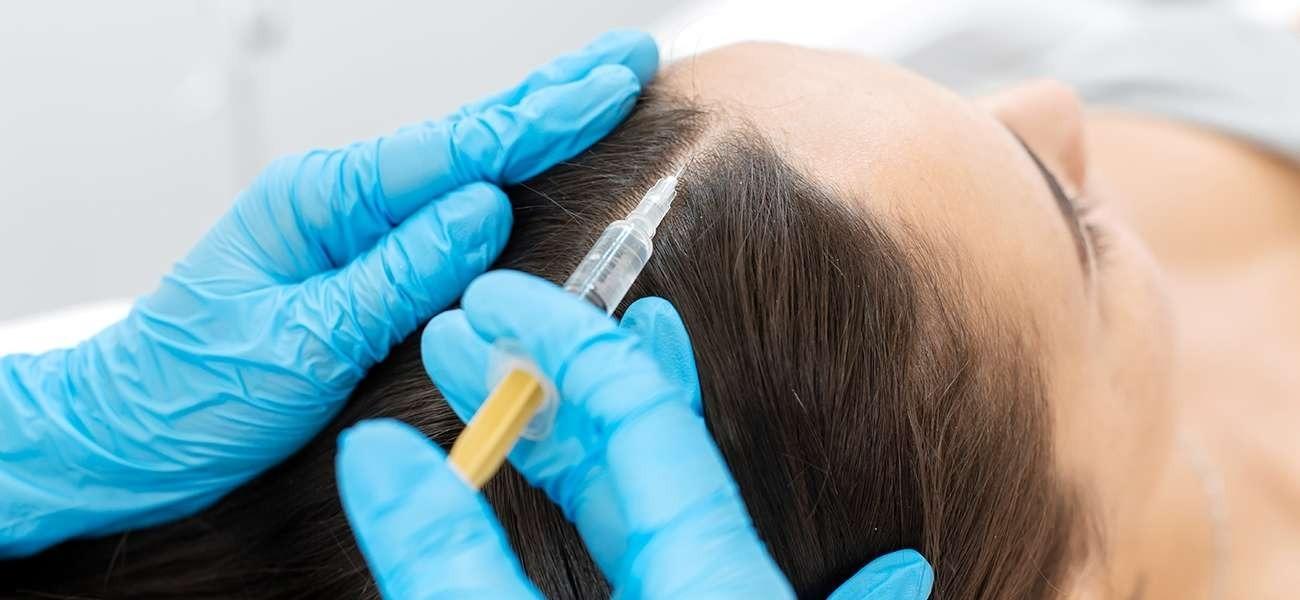
Hair restoration does not end when a procedure is completed. The period that follows can be equally important because follicles need suitable conditions to progress through healing, adaptation, and renewed growth. Understanding what supports follicle activity can help patients approach recovery with realistic expectations and make informed decisions about aftercare.
After Stem Cell Hair Transplant in Dubai, the scalp may require time to recover while the treated follicles respond to the procedure. Factors such as scalp health, nutrition, circulation, inflammation control, prescribed medications, and everyday habits may all influence the environment surrounding the follicles. However, no aftercare method can guarantee a specific rate or amount of growth.
Why Follicle Activity Matters After Treatment
Hair follicles operate through different phases of growth, rest, and shedding. Following a hair restoration procedure, temporary shedding can occur as part of the normal adjustment process. This can sometimes make patients concerned that treatment has not worked, even though visible growth may take considerably longer.
Follicle activity is influenced by the biological condition of the scalp and the characteristics of the transplanted or treated follicles. A healthy scalp environment may support normal healing and provide suitable conditions for ongoing growth.
The exact response differs from one individual to another. Existing hair-loss patterns, donor-area quality, age, underlying conditions, nutritional status, and treatment technique can all affect the recovery timeline.
Scalp Health and Proper Aftercare
Maintaining a clean and well-managed scalp is an important part of post-treatment care. Patients are generally given specific instructions regarding washing, touching, sleeping positions, physical activity, and the use of topical products.
Following these instructions carefully can reduce unnecessary irritation during the early recovery period. Scratching, excessive rubbing, or applying unapproved products may interfere with healing.
Patients should also avoid assuming that more products automatically produce better results. The scalp can be sensitive after treatment, so introducing oils, exfoliants, strong shampoos, or other cosmetic products without professional guidance may be counterproductive.
Nutrition Can Support the Growth Environment
Adequate nutrition provides the body with the building blocks required for normal tissue repair and hair production. Protein is particularly important because hair is primarily composed of keratin, a structural protein.
A balanced diet containing sufficient protein, iron, zinc, vitamin D, B vitamins, healthy fats, fruits, and vegetables can support general nutritional health. However, supplements should not automatically be taken in high doses. Deficiencies should ideally be identified through appropriate medical assessment before supplementation.
For patients who have restricted diets or difficulty maintaining adequate nutritional intake, discussing dietary needs with a qualified healthcare professional may be useful during recovery.
Managing Inflammation and Protecting the Scalp
Inflammation is part of the body's natural healing response, but excessive irritation can affect scalp comfort and recovery. Protecting the treated area from unnecessary trauma is therefore important.
Sun exposure is another consideration. The scalp can remain particularly sensitive during the recovery period, and healthcare professionals may recommend appropriate measures for protecting it from direct sunlight.
Sweating and strenuous exercise may also need to be limited temporarily depending on the treatment performed and the individual's recovery. Patients should follow the specific activity restrictions provided by their practitioner rather than returning immediately to their usual routine.
Follow-Up Helps Monitor Follicle Changes
Regular follow-up appointments allow practitioners to assess healing and monitor changes that may not be obvious to the patient. Early assessments can focus on the condition of the scalp, while later appointments may provide a better opportunity to evaluate developing density and growth.
During these appointments, a practitioner may determine whether additional treatment or supportive measures are appropriate. The response can also be documented through standardized photographs, making gradual changes easier to compare over time.
Patients should report unusual pain, persistent swelling, significant redness, discharge, or other concerning symptoms rather than attempting to manage them independently.
What May Affect Long-Term Growth?
Several factors can influence the longer-term outcome of hair restoration. The quality and characteristics of donor follicles are important, as is the suitability of the selected technique for the individual's pattern of hair loss.
The progression of underlying genetic hair loss can also continue in untreated native hair surrounding the treated area. For this reason, a comprehensive assessment should consider both the restored region and the patient's broader pattern of hair loss.
Lifestyle factors may also contribute indirectly. Smoking, inadequate nutrition, poor sleep, and unmanaged health conditions can affect general wellbeing and may complicate recovery. These factors do not necessarily determine the outcome, but addressing them can contribute to a healthier overall environment.
How to Choose the Right Clinic for Stem Cell Hair Transplant in Dubai
Choosing a provider involves more than comparing treatment names or advertised technologies. Patients should examine the qualifications and experience of the medical professionals performing or supervising the procedure.
Experience and Qualifications
Ask who will assess the scalp, determine suitability, perform the treatment, and oversee follow-up care. Relevant medical qualifications and experience with hair restoration should be clearly established.
Technology and Techniques
Patients should understand what the procedure actually involves rather than relying solely on the term “stem cell.” Different regenerative approaches can vary in their techniques, preparation methods, and clinical evidence. A qualified practitioner should explain the proposed method clearly.
Safety Standards
A suitable facility should maintain appropriate infection-control procedures, sterile equipment, trained staff, and clear protocols for managing potential complications.
Consultation Process
A detailed consultation should examine the pattern of hair loss, scalp condition, donor-area characteristics, medical history, medications, and previous treatments. Patients should also have an opportunity to discuss realistic expectations.
Patient Experience
Good communication is important throughout the treatment journey. Patients should receive understandable instructions about preparation, recovery, follow-up appointments, and symptoms that require medical attention.
Expected Results
Be cautious of promises of guaranteed regrowth or unusually rapid transformation. Hair biology varies significantly between individuals, and visible changes can take months. A responsible practitioner should explain the expected timeline, possible limitations, and factors that could affect the outcome.
Frequently Asked Questions
Can follicles immediately start producing new hair after treatment?
Not usually. Hair growth follows a biological cycle, and visible changes may take time. Temporary shedding or limited visible activity during the early recovery period does not necessarily indicate treatment failure.
Does scalp condition affect follicle activity?
Yes. The condition of the scalp can influence healing and the environment surrounding follicles. Irritation, inflammation, infection, or other scalp problems should be assessed and managed appropriately.
Can nutrition improve hair growth after treatment?
Adequate nutrition supports normal tissue repair and hair biology, particularly when a person has a genuine nutritional deficiency. However, taking additional supplements without a documented need does not guarantee faster or stronger growth.
Should patients use hair products after the procedure?
Only products approved or recommended by the treating professional should be introduced during the early recovery period. Some cosmetic products may irritate a recently treated scalp.
How long does it take to evaluate the final result?
Hair restoration generally requires patience. Early healing occurs first, followed by gradual changes in density and appearance. The appropriate evaluation period varies according to the technique used, individual biology, and the treatment plan.
Conclusion
Supporting follicle activity after treatment involves more than relying on the procedure itself. Appropriate scalp care, adequate nutrition, protection from unnecessary irritation, adherence to professional instructions, and consistent follow-up can all contribute to a well-managed recovery. Patients considering Stem Cell Hair Transplant should focus on evidence-based care, realistic timelines, and individualized treatment planning rather than promises of guaranteed results. A thorough consultation can help determine whether the approach is suitable and what factors may influence the patient's expected recovery and long-term hair growth.
- Managerial Effectiveness!
- Future and Predictions
- Motivatinal / Inspiring
- Fitness and Wellness
- Medical & Health
- Manufacturing
- Education
- Real-Estate
- Food Industry
- Hospitality
- Online Games
- Sports
- Home Services
- Civil Engineering
- Safety and Protection
- Software Products & Services
- Fashion and Jewellery
- Artificial Intelligence
- Entrepreneurship
- Mentoring & Guidance
- Marketing
- Networking
- HR & Recruiting
- Literature
- Shopping
- Career Management & Advancement