

 SkillClick
Jowar Atta: Benefits, Nutrition & How to Use It | Guide
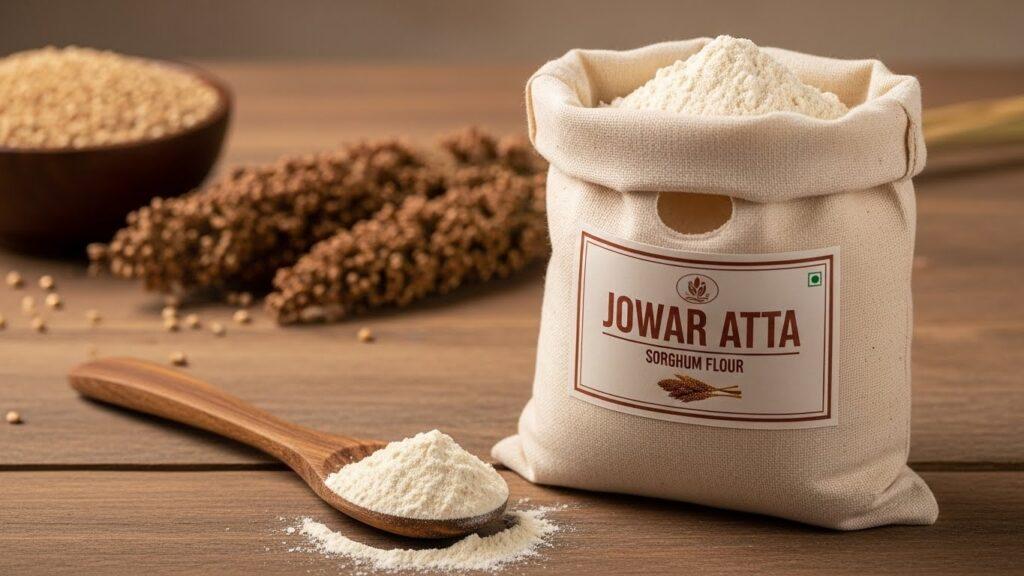
If you grew up in a Maharashtrian, Karnataka, or Telangana household, chances are jowar atta was a kitchen staple long before "millets" became a wellness buzzword. This humble sorghum flour has fed generations, and it's now finding its way back into modern kitchens across India — this time for its gluten-free, fibre-rich profile as much as its taste.
This guide covers everything you need to know about jowar atta: what it is, its nutrition, health benefits, how it differs from wheat and other millets, and the small kitchen tricks that make the difference between a cracked, crumbly disaster and a soft, pliable jowar roti.
What Is Jowar Atta?
Jowar atta is flour made from whole sorghum grains. Jowar goes by several names depending on where you are in India — cholam in Tamil Nadu, jonna in Andhra Pradesh and Telangana, and jola in Karnataka. It's often confused with jau (barley), but the two are entirely different grains from different plant families.
Traditionally, jowar atta is stone-milled rather than machine-milled at high speed. Slow, cool stone grinding preserves more of the grain's natural oils and nutrients compared to fast roller milling, which can generate heat and strip away some of the flour's character. This is also why fresh jowar atta tends to taste noticeably better than flour that's been sitting on a store shelf for weeks.
Nutritional Profile of Jowar Atta
One of the biggest reasons jowar atta has re-entered Indian kitchens is its nutrition. As a whole grain flour — meaning the bran isn't sieved out — jowar atta retains:
- Dietary fibre, which supports digestion and helps you feel fuller for longer
- Plant-based protein, useful for anyone reducing meat or dairy protein sources
- Minerals like iron and manganese, important for everyday energy and metabolic function
- No gluten, since jowar is a naturally gluten-free grain
It's worth noting that "naturally gluten-free" and "certified gluten-free" are not the same thing. Many jowar atta brands, including ones milled in shared facilities that also process wheat, cannot guarantee zero cross-contact. If you have coeliac disease or a severe gluten allergy, always check whether the specific product you're buying is certified for strict gluten-free consumption. For everyday, non-medical gluten reduction, most jowar atta works well.
Health Benefits of Jowar Atta
1. A Gentle Entry Point for Gluten-Free Eating
Jowar is considered one of the mildest-tasting millets, which makes it an easy first step for families trying to reduce wheat consumption without a jarring change in taste or texture.
2. Supports Digestion
The fibre content in whole jowar atta helps support regular digestion. Many people who switch from refined wheat flour to whole jowar atta report feeling lighter after meals.
3. A Cooling, Summer-Friendly Grain
In traditional Indian food wisdom, jowar is considered a "cooling" grain, which is why it's more commonly eaten in the hotter months across Maharashtra and Karnataka. This isn't a clinical health claim, but a long-standing cultural practice worth acknowledging.
4. Keeps You Fuller, Longer
Because of its fibre content, a jowar bhakri or roti tends to be more satiating than its size suggests — useful if you're watching portion sizes or trying to reduce snacking between meals.
5. Everyday Staple, Not a Specialty Product
Unlike some gluten-free flours that feel like a compromise, jowar atta has been a genuine daily staple in parts of India for generations. It doesn't need to be treated as an occasional "health food" — it can be your everyday roti flour.
Jowar Atta vs Wheat Atta: What's the Difference?
The biggest difference is gluten. Wheat atta has gluten, which gives dough its stretch and elasticity — this is why wheat rotis puff up and hold their shape easily. Jowar atta has none of that structural gluten network, so the dough behaves very differently:
- It's more crumbly and doesn't stretch the same way
- It requires a different kneading technique (more on this below)
- The final roti or bhakri has a softer, more delicate bite
If your family isn't ready to go fully off wheat, a common approach is blending jowar atta into your regular wheat atta — starting with roughly a quarter jowar to three-quarters wheat — and increasing the ratio gradually as everyone adjusts.
Jowar Atta vs Other Millets (Bajra, Ragi)
Jowar is often compared to bajra (pearl millet), and the two do get confused by first-time millet buyers. The key differences:
- Jowar is milder in flavour, lighter, and traditionally a summer grain
- Bajra is denser, has a stronger, more warming taste, and is traditionally eaten in winter
If you're introducing millets to your family for the first time, jowar atta is usually the easier starting point precisely because of its mild flavour.
How to Use Jowar Atta in Everyday Cooking
Jowar atta is versatile beyond just roti. Here are the most common ways to use it:
- Bhakri or jowar roti — the everyday, most traditional use
- Thalipeeth — blended with besan (chickpea flour) and spices for a savory flatbread
- Dosa or cheela batter — jowar lends a lighter texture compared to rice-based batters
- Blended into wheat atta — a gentle way to introduce millets without a major dietary shift
The Soft Bhakri Secret: Why Your Jowar Roti Keeps Cracking
This is the single most common complaint with jowar atta, and it almost always comes down to one mistake: using cold water.
Because jowar has no gluten to trap steam and hold the dough together, hot water and warm kneading are essential. Here's the method that actually works:
- Use hot (not lukewarm, not cold) water when mixing the dough
- Knead the dough while it's still warm — this is when jowar atta is most pliable
- Pat the dough out by hand rather than rolling it with force, since rolling can cause tearing
- Cook on a hot tawa immediately, without letting the dough rest and cool down
Skip any one of these steps — especially the hot water — and you'll likely end up with a roti that cracks apart before it even reaches the tawa.
How to Store Jowar Atta Properly
Jowar atta is more delicate than wheat flour and can turn bitter faster if it's not stored correctly. Follow these steps:
- Transfer it to an airtight steel or glass container as soon as you receive it — don't leave it in the original packaging for long
- Store it in a cool, dry spot, away from the stove and out of direct sunlight
- In humid or hot weather, consider refrigerating whatever you won't use within a few weeks
- Always check the milling date on the pack, since fresher jowar atta has noticeably better flavour than flour that's been sitting for months
Frequently Asked Questions About Jowar Atta
Is jowar atta the same as sorghum flour?
Yes. Jowar is simply the Hindi name for sorghum, and jowar atta is the flour milled from whole sorghum grains.
Is jowar atta good for weight loss?
Its higher fibre content compared to refined wheat flour can support satiety, which may help with portion control. It isn't a magic weight-loss food on its own, but it can fit well into a balanced diet.
Can diabetics eat jowar roti?
Many people managing blood sugar levels include jowar roti in their diet due to its fibre content, but individual responses vary. Anyone managing diabetes should consult their doctor or dietitian before making it a daily staple.
Why does jowar atta taste bitter sometimes?
This is usually a sign of the flour being old or improperly stored. Whole grain flours like jowar atta oxidize faster than refined flour, so buying smaller quantities more frequently and storing it airtight helps avoid this.
Can I eat jowar roti every day?
Yes — in fact, this is the norm in many households across western and southern India. As always, if you're managing a specific health condition, check with a professional before making major dietary changes.
Is jowar atta the same for making dosa and roti?
Yes, the same jowar atta can be used for both, though the water ratio and preparation method will differ depending on whether you're making a thick roti dough or a thin, pourable dosa batter.
Final Thoughts
Jowar atta isn't a new health trend — it's a grain that's been quietly feeding Indian households for centuries. What's changed is how it's made available: freshly stone-milled, minimally processed flour is now easier to access than ever, which matters a great deal for a flour that loses its flavour and nutrition faster than wheat once it's milled.
Whether you're transitioning away from wheat, managing gluten sensitivity, or simply want to bring more whole grains into your weekly meals, jowar atta is one of the easiest and most rewarding places to start.
- Managerial Effectiveness!
- Future and Predictions
- Motivatinal / Inspiring
- Fitness and Wellness
- Medical & Health
- Manufacturing
- Education
- Real-Estate
- Food Industry
- Hospitality
- Online Games
- Sports
- Home Services
- Civil Engineering
- Safety and Protection
- Software Products & Services
- Fashion and Jewellery
- Artificial Intelligence
- Entrepreneurship
- Mentoring & Guidance
- Marketing
- Networking
- HR & Recruiting
- Literature
- Shopping
- Career Management & Advancement