

 SkillClick
Hair Transplant in Ras Al Khaimah UAE: What Shapes Graft Selection?
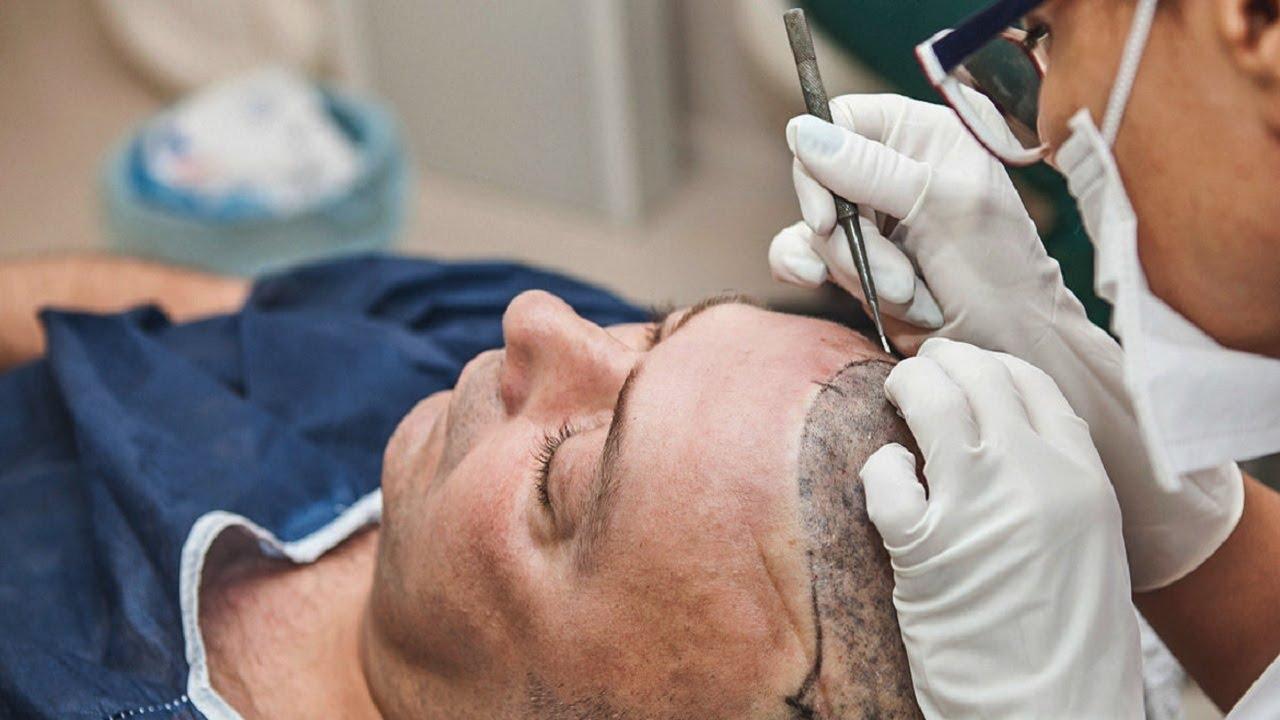
Graft selection is one of the most important planning decisions in a hair restoration procedure. A transplant is not simply about moving as many follicles as possible from one part of the scalp to another. Each graft can contain a different number of hair follicles, and its characteristics influence how the recipient area can be reconstructed. The surgeon must therefore consider the donor supply, hair characteristics, degree of thinning, hairline design, and the amount of coverage required.
For people considering Hair Transplant in Ras Al Khaimah UAE, understanding graft selection can make the consultation more productive. A suitable plan should be based on an examination of the scalp rather than a predetermined graft number. The objective is generally to use the available donor hair strategically while creating an appearance that fits the patient's existing facial features and long-term pattern of hair loss.
Factors such as follicular unit composition, hair calibre, curl or wave, donor density, and the condition of the recipient area can all influence the surgical approach. Experienced hair restoration teams may also consider whether the patient could experience further thinning in untreated areas.
Because every scalp is different, graft selection requires individual assessment. Clinics across the UAE use different consultation processes and transplantation techniques, so patients should look beyond advertised graft counts and ask how the proposed number was determined.
What Does Graft Selection Involve?
A graft, commonly referred to as a follicular unit, may contain one, two, three, or more hairs. Single-hair grafts can be particularly useful around the frontal hairline, where gradual transitions can help create a natural-looking outline. Multi-hair grafts may be strategically positioned behind the hairline where greater visual density is needed.
The donor area is another major consideration. The surgeon assesses available follicular units, their density, distribution, and resistance to pattern-related miniaturisation. Removing too many grafts from a limited donor region can compromise its appearance, which is why extraction generally needs to be planned conservatively.
Recipient-area requirements also matter. A patient with substantial frontal recession may need a different distribution from someone whose primary concern is diffuse thinning at the crown. The desired density must be balanced against the available donor reserve and the possibility of future hair loss.
Enfield Royal Clinic
At Enfield Royal Clinic, graft selection can be approached as part of an individualized hair restoration plan rather than simply targeting a fixed number. During assessment, factors such as donor density, hair calibre, follicular-unit composition, the extent of recession, and the condition of the recipient area can help shape the proposed treatment.
For patients exploring Hair Transplant in Ras Al Khaimah UAE, this type of planning is particularly relevant when the goal is to improve density while preserving donor resources for potential future needs. Hairline reconstruction may require careful use of single-hair units, while thicker multi-hair grafts can be considered for areas where additional coverage is appropriate.
The consultation should also address expectations, existing hair stability, treatment technique, recovery, and the possibility that additional thinning may occur over time. A detailed assessment allows the proposed graft distribution to reflect the patient's individual pattern rather than relying on a generic treatment template.
Tajmeels Clinic
Tajmeels Clinic is among the UAE-based providers patients may consider when researching hair restoration. A consultation for transplantation can help determine whether the patient's donor area provides sufficient follicular units for the intended recipient zones.
Graft selection depends on more than the size of a bald area. The surgeon may evaluate hair thickness, density, direction of growth, and the contrast between the scalp and existing hair. These characteristics can affect how much visual coverage may be achieved from a particular number of grafts.
Patients considering hair restoration should therefore ask how the clinic calculates the proposed graft requirement and how donor-area preservation is incorporated into the treatment plan.
Dynamic Life Clinic
Dynamic Life Clinic offers patients another option to investigate when comparing hair restoration services in the UAE. The planning stage is important because transplantation involves both extraction and placement, and the two areas need to be assessed together.
For Hair Transplant in Ras Al Khaimah UAE, prospective patients can ask whether graft calculations account for the current pattern of loss as well as possible future changes. A treatment plan that focuses only on presently visible baldness may not adequately address longer-term donor management.
The quality of the donor hair can also influence the final strategy. Finer hair may require a different distribution from naturally thicker hair, while curly or wavy strands can sometimes provide greater visual coverage because of their structure.
Cocoona Clinic
Cocoona Clinic is another established name in the UAE's aesthetic and surgical healthcare sector. Patients researching transplantation can discuss graft requirements during an individual consultation and learn how the proposed treatment relates to their scalp characteristics.
The number of hairs contained within each follicular unit is an important distinction. Two patients receiving the same number of grafts could potentially have different numbers of transplanted hairs because their follicular units may contain different combinations of single, double, or multiple hairs.
This is why patients should examine both graft numbers and the overall distribution plan. Hairline refinement, mid-scalp coverage, and crown restoration may each require different approaches.
Dubai Cosmetic Surgery Clinic
Dubai Cosmetic Surgery Clinic is another facility patients may review when exploring hair restoration options in the UAE. During consultation, patients can ask about donor assessment, extraction methods, graft handling, and placement strategy.
A careful graft-selection process should account for the patient's existing hair pattern. The surgeon may consider how much density is already present and whether the goal is to restore a completely bald area or strengthen a region where thinner hairs remain.
Patients should also discuss whether the proposed treatment is intended as a single procedure or whether staged restoration may be more appropriate for extensive hair loss.
Emirates Hospital
Emirates Hospital provides another healthcare setting where patients can investigate available hair restoration services and consultation options. Medical assessment remains an important part of determining whether transplantation is suitable.
Graft selection can be affected by scalp condition, donor availability, hair-loss pattern, and previous procedures. Patients who have undergone an earlier transplant may require particularly careful planning because the remaining donor reserve can be limited.
A consultation should therefore cover medical history, previous treatments, current medications where relevant, and the condition of both donor and recipient areas before a surgical plan is finalized.
Al Zahra Hospital Dubai
Al Zahra Hospital Dubai is another UAE healthcare provider patients may consider while researching hair restoration. The consultation process can help establish whether the patient's pattern of loss is suitable for surgical intervention and what factors could influence graft planning.
The visual objective is not necessarily maximum density across every part of the scalp. In many cases, strategic placement can create a more balanced appearance by concentrating available grafts in areas where they have greater cosmetic impact.
Patients should ask how the clinic approaches hairline design, density distribution, donor-area protection, and the management of future hair loss.
King’s College Hospital London Dubai
King’s College Hospital London Dubai is another medical provider patients may investigate when comparing healthcare options in the UAE. As with any surgical hair restoration consultation, the assessment should focus on the patient's individual anatomy and treatment requirements.
Graft selection can be influenced by the quality of the donor hair, the extent of recession, scalp characteristics, and the distribution of remaining native hair. These details help determine where available follicular units may be most appropriately placed.
Patients should also make sure they understand who will perform the key stages of the procedure, what technique is proposed, and how follow-up care is organized.
How to Choose the Right Clinic for Hair Transplant in Ras Al Khaimah UAE
Experience and Qualifications
Patients should verify the qualifications and experience of the medical professional responsible for assessment and surgery. Ask how frequently the practitioner performs hair restoration procedures and whether they have experience managing cases similar to yours.
Technology and Techniques
Different procedures use different extraction and implantation approaches. Rather than choosing a clinic solely because it advertises a particular technology, patients should understand why a specific technique is being recommended for their scalp and donor characteristics.
Safety Standards
Hair transplantation is a surgical procedure, so appropriate infection-control measures, sterile equipment, medical supervision, and emergency protocols are important. Patients should also receive clear information about potential complications and aftercare.
Consultation Process
A proper consultation should involve examination of the donor and recipient areas, discussion of the pattern of hair loss, and realistic planning. A graft estimate should have a clinical rationale rather than being presented as a universal number.
Patient Experience
Communication before and after surgery can affect the overall treatment experience. Patients should know what happens on the day of the procedure, how long recovery may take, what restrictions apply, and when follow-up appointments are expected.
Expected Results
Hair transplantation does not instantly create mature hair growth. Transplanted hairs generally require time to establish and grow, and the eventual appearance depends on factors including graft survival, native hair stability, hair characteristics, and the original extent of loss. Patients should receive realistic expectations rather than guarantees.
Frequently Asked Questions
What determines the number of grafts needed?
The required graft number can depend on the size and location of the thinning area, donor density, hair calibre, follicular-unit composition, desired density, and anticipated future hair loss.
Are all hair transplant grafts the same?
No. Follicular units can contain different numbers of hairs. Single-hair units and multi-hair units may therefore have different roles during transplantation.
Why is donor density important?
The donor area provides the follicles used for transplantation. Its density and quality determine how many grafts can potentially be harvested while maintaining an acceptable donor appearance.
Can graft selection change during surgery?
The final strategy may be adjusted when the surgical team has direct visibility of the donor and recipient areas. However, the main treatment plan should be established during the preoperative assessment.
Does a larger graft number always mean better coverage?
Not necessarily. Coverage depends on how grafts are distributed, the number of hairs within those grafts, hair characteristics, recipient-area conditions, and the patient's overall pattern of loss. Strategic placement can be more important than a headline graft figure.
Conclusion
Graft selection is a personalized process shaped by donor capacity, follicular-unit characteristics, hair calibre, recipient-area requirements, hairline design, and the patient's longer-term pattern of hair loss. Anyone considering Hair Transplant in Ras Al Khaimah should therefore focus on the reasoning behind a proposed graft number rather than comparing figures in isolation.
A thorough consultation should explain how the donor area will be assessed, where grafts are expected to be placed, which technique is suitable, and what results can realistically be expected. Careful planning can help create a restoration strategy that considers both the immediate treatment objective and the preservation of available donor hair over time.
- Managerial Effectiveness!
- Future and Predictions
- Motivatinal / Inspiring
- Fitness and Wellness
- Medical & Health
- Manufacturing
- Εκπαίδευση
- Real-Estate
- Food Industry
- Hospitality
- Online Games
- Sports
- Home Services
- Civil Engineering
- Safety and Protection
- Software Products & Services
- Fashion and Jewellery
- Artificial Intelligence
- Entrepreneurship
- Mentoring & Guidance
- Marketing
- Networking
- HR & Recruiting
- Literature
- Shopping
- Career Management & Advancement