

 SkillClick
Pakistan’s Winter 2026 Wardrobe Is All About Smart Layering: Where Do Woollen Shawls Fit In?
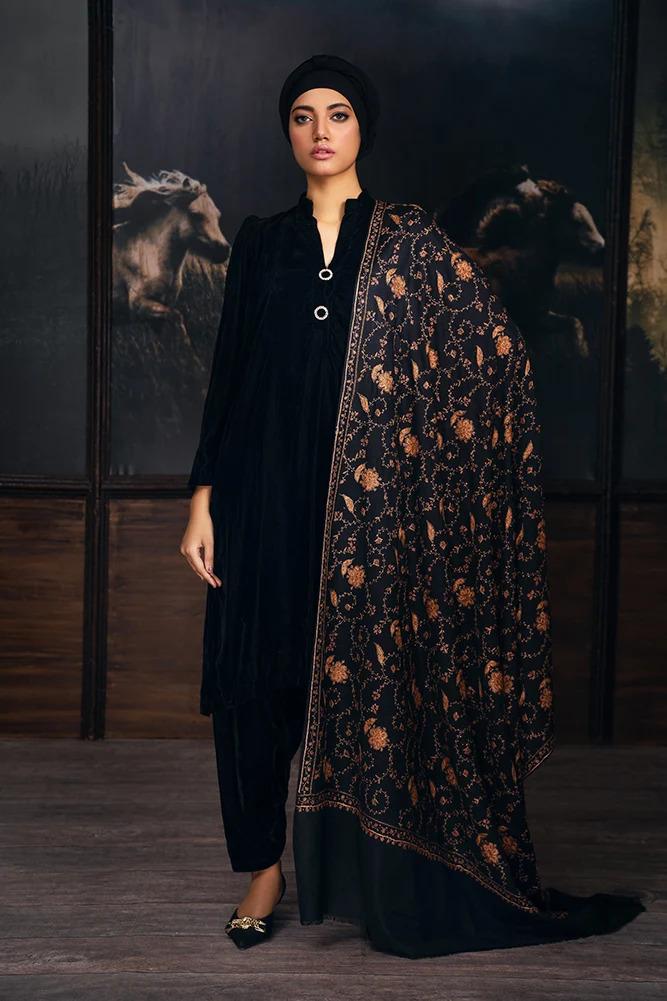
In Lahore, winter mornings often begin with fog-covered streets and people searching for something extra to protect themselves from the cold. In Islamabad, evenings become noticeably cooler as families gather indoors with warm drinks and traditional clothing. In northern areas like Chitral, Swat, and Gilgit-Baltistan, winter is not just a season. It is a part of daily life where choosing the right clothing layer matters.
For many Pakistanis, a shawl has always been that trusted winter layer.
An older generation may remember shawls as part of everyday clothing, worn during travel, gatherings, and routine activities. Today, younger people are looking at the same piece from a different perspective. They are styling it with modern outfits, using it as a practical layer, and appreciating the craftsmanship behind it.
This change reflects a wider shift in winter fashion. People are becoming more interested in smart layering, where every clothing piece has a purpose. Instead of wearing multiple heavy layers, modern wardrobes are focusing on comfortable pieces that can be combined in different ways.
This is where woollen shawls continue to fit naturally into Pakistan’s winter 2026 wardrobe.
A shawl is not only about staying warm. It represents regional skills, textile knowledge, and a connection with clothing traditions that have developed over centuries.
A documented example of this connection comes from Nasreen Askari, a Pakistani textile researcher and curator. Her work focused on preserving Pakistan’s textile heritage and showing how traditional fabrics carry stories about communities, identity, and daily life. Her efforts later contributed to the establishment of Nasreen ki Haveli, a textile museum in Karachi dedicated to preserving traditional Pakistani textiles.
Her research shows an important reality about clothing: some pieces become valuable because of the stories, skills, and memories attached to them.
The same idea explains why wool shawls continue to remain important. They are useful for winter, but they also represent the craftsmanship and cultural knowledge behind them.
Why Smart Layering Is Becoming the New Approach to Winter Dressing in Pakistan
Winter clothing in Pakistan has always depended on geography and lifestyle.
A person living in Karachi experiences winter differently from someone living in Murree or Gilgit. A student walking to university in Islamabad may need a different type of layering compared with someone working outdoors in a colder northern region.
This is why smart layering has become a practical approach.
Smart layering means building an outfit with different pieces that work together rather than depending on one thick winter garment.
A balanced winter outfit usually includes:
-
A comfortable base layer that suits daily wear.
-
A middle layer that adds warmth.
-
An outer layer that provides protection and completes the look.
A wool shawl works well as an outer layer because it gives people flexibility. It can be wrapped tightly during colder hours and adjusted when the temperature becomes comfortable.
The idea behind winter 2026 dressing is not simply buying more clothes. It is choosing pieces that can perform multiple roles.
A useful winter wardrobe focuses on:
-
Comfort for daily routines.
-
Easy styling with existing outfits.
-
Long-term use.
-
Personal and cultural expression.
This approach makes traditional layers more relevant because they already offer versatility.
A single shawl can work with eastern clothing, formal outfits, and even more modern winter combinations.
Why Woollen Shawls Are a Practical Choice for Pakistan’s Winters
Wool has been used in cold regions for generations because of its natural properties.
The structure of wool fibres helps trap air, which supports insulation and helps maintain warmth. This makes wool suitable for winter clothing, especially in areas where temperatures become lower.
For Pakistan’s changing winter conditions, woollen shawls offer a useful balance between warmth and comfort.
They Provide Warmth Without Feeling Too Restrictive
Heavy winter clothing can sometimes make movement difficult, especially during daily activities.
A wool shawl provides another option. It offers protection from cold while allowing the wearer to adjust the layer according to the weather.
This flexibility is especially useful in Pakistan because winter temperatures often change throughout the day.
A morning in Lahore may feel cold enough for an additional layer, while the afternoon may require something lighter. A shawl can easily adapt to these changes.
They Work Across Different Occasions
One reason shawls remain popular is their ability to move between different settings.
A person can wear the same type of winter layer for:
-
Daily activities.
-
Office or university visits.
-
Family gatherings.
-
Winter weddings.
-
Cultural events.
Unlike some winter clothing that is limited to specific situations, a shawl can be styled according to the occasion.
The Heritage Behind Pakistan’s Wool Shawl Tradition
Pakistan’s relationship with textiles goes far beyond modern fashion.
Research titled “Reclaiming Traditional Textile Heritage of Pakistan” explains that the country’s textile traditions have developed over approximately 5,000 years. Different regions have created their own methods of weaving, embroidery, and fabric production based on local culture and environment.
Wool became especially important in colder regions because communities needed materials that could provide protection against harsh weather.
Areas including Chitral, Swat, and Gilgit-Baltistan developed strong connections with wool-based clothing. Local knowledge about processing fibres, weaving fabrics, and creating useful garments was passed from one generation to another.
The Endangered Material Knowledge Programme documented Chitral’s Shu wool cloth tradition to preserve knowledge about traditional wool production. The research recorded more than 21 hours of raw video footage, over 400 photographs, and more than 50 audiovisual interviews related to the craft.
This documentation highlights that wool production is not only about making a winter product. It is about preserving knowledge that belongs to communities.
Every stage, from preparing the wool to creating the final fabric, requires experience and skill.
How Pakistan’s Regions Influence Winter Shawl Choices
Pakistan’s climate is diverse, so winter clothing choices naturally change from one area to another.
Northern Pakistan
In places such as Chitral, Gilgit-Baltistan, and upper Khyber Pakhtunkhwa, winters are much colder. People traditionally rely on warmer wool clothing because protection from low temperatures is essential.
In these areas, thicker wool layers are often preferred because they provide better coverage.
Punjab and Islamabad Region
Cities such as Lahore and Islamabad experience colder mornings and evenings, but the winter season is generally different from mountain regions.
Many people choose medium-weight wool shawls because they provide warmth without feeling too heavy.
Coastal Areas
In Karachi and other coastal areas, winters are milder.
People may choose lighter shawls that can be used during evening events, travel, or cooler days.
Understanding regional weather helps people select winter clothing that is practical instead of choosing only based on appearance.
Why Winter 2026 Is Bringing Traditional Layers Back Into Focus
Modern fashion is increasingly moving toward clothing that feels personal and useful.
Around the world, winter fashion discussions are giving more attention to intentional layering, texture, craftsmanship, and making existing wardrobe pieces work in new ways. The same thinking connects naturally with Pakistani clothing traditions, where one piece can often serve multiple purposes.
In Pakistan, this means traditional pieces like shawls are finding new relevance.
Younger generations are not necessarily leaving traditional clothing behind. Instead, they are combining it with modern styling.
A wool shawl can now be worn:
-
Over a simple kurta for a classic look.
-
With a modern coat for a contemporary appearance.
-
As a statement layer over a plain outfit.
This combination of heritage and modern use is one reason shawls continue to stay connected with changing fashion preferences.
How Men Can Style Woollen Shawls in Pakistan’s Winter 2026 Wardrobe
For men, shawls have always been connected with traditional winter dressing. However, their role is changing as people experiment with different ways of styling eastern and modern clothing together.
A wool shawl does not need a complicated outfit to look appropriate. Its strength comes from simplicity.
With Kurta Shalwar for Everyday Winter Wear
A wool shawl with kurta shalwar remains one of the most practical winter combinations in Pakistan.
For daily use, many people prefer simple designs and balanced colours that can match different outfits. This style works well for family visits, routine activities, and casual gatherings.
With Waistcoats for a More Formal Appearance
A waistcoat and shawl combination creates a polished eastern look.
This pairing is common during winter events because it provides warmth while maintaining a traditional appearance. The shawl adds another layer without making the outfit feel too heavy.
With Formal Wedding Clothing
Winter weddings are an important part of Pakistani social life. During evening events, a shawl can complement formal clothing such as sherwanis and traditional outfits.
The key is choosing a style that supports the overall look rather than overwhelming it.
How Women Can Style Woollen Shawls in Modern Winter Fashion
For women, shawls offer both practical and creative styling options.
They can be worn with traditional dresses, winter suits, and modern outfits.
Everyday Styling
A simple wool shawl can add warmth to regular winter clothing without making the outfit feel too formal.
It works well with:
-
Winter suits.
-
Plain dresses.
-
Long coats.
-
Casual eastern wear.
Formal Winter Events
For weddings and gatherings, many women choose shawls with detailed patterns, embroidery, or elegant textures.
A well-selected shawl can enhance a traditional outfit while providing comfort during colder evenings.
Modern Layering
Younger women are also combining shawls with contemporary winter clothing.
A shawl worn with a coat or layered over a simple outfit creates a balance between traditional and modern fashion.
This shows how traditional pieces can adapt without losing their original identity.
What to Look for When Choosing a Woollen Shawl
Choosing a winter shawl is not only about selecting a beautiful design. The material, weight, and purpose all matter.
A good choice depends on where the shawl will be used and how often it will be worn.
Check the Wool Quality
The quality of wool affects comfort, warmth, and durability.
A good wool shawl should feel comfortable and provide warmth without unnecessary heaviness.
Natural wool is valued because it has properties that make it suitable for cold weather.
Consider the Weight of the Shawl
Not every winter requires the same type of wool layer.
A heavier shawl may be better for colder northern regions, while a lighter option may be more suitable for cities with moderate winters.
The best choice depends on the local climate and personal comfort.
Choose a Design That Works With Your Wardrobe
A practical shawl should match more than one outfit.
Neutral colours often provide more flexibility for daily wear, while detailed designs may be better suited for special occasions.
A good winter purchase should fit naturally into the clothing a person already owns.
Pay Attention to Craftsmanship
The finishing, weaving quality, and overall construction influence how long a shawl can remain useful.
Traditional textile skills require patience and experience. This craftsmanship is one reason handmade wool products continue to hold value.
For readers exploring different traditional winter options, woollen shawls represent how classic winter layers continue to adapt to modern wardrobes.
Why Woollen Shawls Support a More Thoughtful Winter Wardrobe
The idea of buying fewer but better-quality clothing pieces is becoming more relevant in modern fashion.
Many people are reconsidering fast-changing trends and focusing more on items that provide long-term value.
A durable wool shawl supports this approach because it can remain useful for many seasons when properly cared for.
A thoughtful winter wardrobe does not need countless items. It needs reliable pieces that can be styled in different ways.
A shawl fits this idea because it can serve multiple purposes:
-
A warm layer during cold weather.
-
A formal accessory for events.
-
A traditional addition to eastern clothing.
-
A long-lasting winter item.
This makes it more than a seasonal purchase.
Simple Ways to Care for a Woollen Shawl
Proper care can significantly increase the lifespan of a wool shawl.
Since wool is a natural fibre, it requires attention to maintain its softness and structure.
Store It Correctly
After winter ends, keep the shawl in a clean and dry place.
Folding it carefully helps maintain its shape and prevents unnecessary stretching.
Protect It From Moisture
Wool should be protected from damp conditions because moisture can affect fabric quality over time.
A dry storage environment helps preserve the material.
Clean It According to Fabric Needs
Different wool fabrics may require different cleaning methods.
Following suitable care practices helps maintain the appearance and comfort of the shawl.
Handle It Carefully
Avoid rough handling or placing heavy objects on top of the shawl during storage.
Small care habits can help a quality wool shawl remain useful for many years.
Woollen Shawls and the Future of Pakistan’s Winter Style
Pakistan’s winter fashion in 2026 is moving toward a balance between practicality and personal expression.
People want clothing that works with their daily lives while still reflecting their identity.
This is where woollen shawls continue to have an advantage.
They are connected with traditional craftsmanship, but they also fit modern needs. They can be worn by different generations, styled in different ways, and adjusted according to different climates.
A winter wardrobe built around smart layering is not about following every new trend. It is about choosing pieces that remain useful, comfortable, and meaningful.
Woollen Shawls Remain a Timeless Part of Pakistan’s Winter Wardrobe
Pakistan’s winter clothing has always been shaped by climate, culture, and everyday needs.
The growing interest in smart layering shows that people are looking for practical ways to dress without giving up personal style. In this changing environment, woollen shawls continue to remain relevant because they offer flexibility that few winter pieces can match.
They work in northern areas where winters are severe and in cities where people need lighter layers. They suit daily routines as well as special occasions. They connect traditional craftsmanship with modern wardrobes.
The importance of a wool shawl comes from this balance.
It is a winter layer that protects against cold, supports skilled craftsmanship, and carries a connection with Pakistan’s textile identity.
As winter 2026 approaches, woollen shawls are not simply returning as a fashion choice. They are continuing as a practical and meaningful part of how Pakistan dresses for winter.
- Managerial Effectiveness!
- Future and Predictions
- Motivatinal / Inspiring
- Fitness and Wellness
- Medical & Health
- Manufacturing
- Education
- Real-Estate
- Food Industry
- Hospitality
- Online Games
- Sports
- Home Services
- Civil Engineering
- Safety and Protection
- Software Products & Services
- Fashion and Jewellery
- Artificial Intelligence
- Entrepreneurship
- Mentoring & Guidance
- Marketing
- Networking
- HR & Recruiting
- Literature
- Shopping
- Career Management & Advancement