

 SkillClick
Why Do MapQuest Driving Directions Remain a Valuable Tool for Curious Travelers?
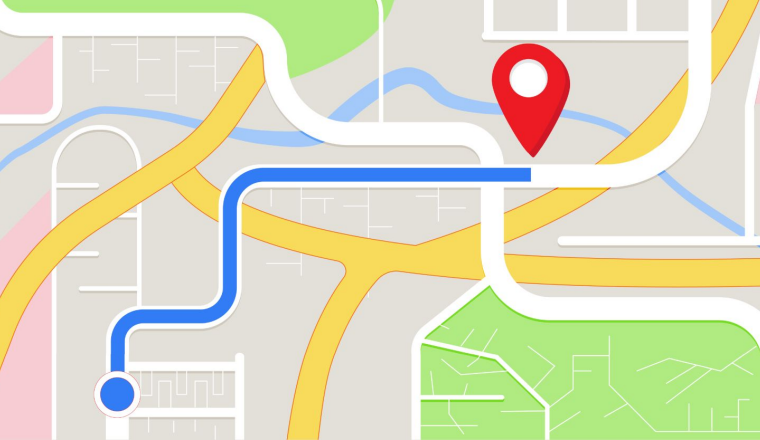
As both a researcher and a passionate travel enthusiast, I have learned that a successful journey begins long before the car leaves the driveway. Choosing where to go is only one part of the process; understanding how to get there, what lies along the way, and how different routes could change the experience is equally important. This is where MapQuest Driving Directions becomes particularly useful. Rather than viewing navigation as simply a way to get from Point A to Point B, I see it as an important part of researching and designing the journey itself.
MapQuest has evolved from the era of printable driving directions into a modern mapping and navigation platform offering directions, live traffic information, route planning, and location discovery.
More Than Just a Set of Directions
When people hear "driving directions," they may imagine a list of turns. As a traveler, I see something more valuable: information that helps me understand the journey.
Before taking a road trip, I want to know how long the drive might take, which roads I will use, whether alternative routes exist, and what interesting places might be available near my route.
MapQuest makes this process relatively straightforward. I can enter a starting point and destination, review the proposed route, and examine available alternatives. Its help documentation also explains that certain A-to-B routes can provide multiple route options, allowing travelers to compare alternatives before beginning the journey.
That ability to compare possibilities is particularly useful for someone who enjoys researching a trip rather than simply following the first suggested route.
A Researcher's Approach to Route Planning
My approach to travel is naturally analytical.
Before visiting somewhere unfamiliar, I usually want answers to several questions:
- How far is the destination?
- How long could the journey take?
- Are there alternative roads?
- Where could I stop along the way?
- What attractions, restaurants, hotels, or services are nearby?
- Can several destinations be combined into one efficient route?
These questions turn a simple navigation task into a research exercise.
MapQuest's route-planning tools are particularly interesting for multi-stop journeys. Its current mobile information describes multi-stop routing for as many as 26 locations, while its platform also provides tools for building, optimizing, and sharing routes.
For a road-trip enthusiast, that can be extremely useful.
Instead of planning each destination independently, I can think about the entire journey as one connected experience.
The Value of Alternative Routes
One of my favorite aspects of route planning is discovering that the fastest route isn't always the most interesting route.
Imagine driving across a region for several hours. The main highway might save time, but a slightly different route could pass through historic towns, scenic areas, local attractions, or places I have never considered visiting.
This is where having route alternatives becomes valuable.
MapQuest's navigation experience allows users to view and compare available routes, while its current app information highlights alternative routes and real-time traffic-aware routing.
As a researcher, I can compare the options before leaving.
As a traveler, I can ask a more interesting question:
Which route will make the journey better?
That distinction matters.
Turning a Road Trip Into an Itinerary
A good road trip isn't simply a destination with several hours of driving attached to it.
The road itself can be part of the adventure.
Suppose I am planning a weekend trip with several stops. Instead of treating each location separately, I can build a route that connects them.
This is where multi-stop planning becomes especially useful. MapQuest describes tools that allow travelers to add and organize multiple destinations and optimize the overall route.
For me, this changes the planning process considerably.
I can think in terms of:
Starting point → attraction → lunch stop → scenic location → hotel → next destination.
Suddenly, the map becomes more than navigation. It becomes a framework for the entire trip.
Exploring What Is Along the Way
One of the biggest mistakes travelers can make is focusing so heavily on the destination that they forget about everything between the starting point and the final stop.
I have always enjoyed discovering unexpected places along a route.
MapQuest's map tools and location categories can help users search for points of interest and nearby places. Its current navigation materials specifically describe customized map layers for discovering categories and locations around a route or destination.
That can be useful when I need something practical, such as a gas station or restaurant, but it can also encourage spontaneous exploration.
Sometimes the most memorable travel experiences aren't planned months in advance.
They happen because I noticed something interesting on the map and decided to stop.
Traffic Changes the Meaning of "Best Route"
A route that looks perfect at breakfast may not be the best option by lunchtime.
Traffic, congestion, road conditions, and unexpected delays can completely change a journey.
For this reason, I consider real-time traffic information an important part of modern navigation. MapQuest's current navigation offering incorporates real-time traffic data and traffic-influenced routes, while its official materials describe traffic monitoring through maps and related tools.
From a research perspective, this means I should not treat an estimated travel time as an absolute promise.
It is better to view it as a planning estimate that can change with conditions.
That mindset makes for more realistic travel planning.
Written Directions Still Have Value
As someone who researches routes carefully, I appreciate having access to written directions rather than relying exclusively on visual navigation.
MapQuest's current help documentation explains that users can view a detailed sequence of turns, roads, and route steps within the app.
Why does that matter?
Because sometimes I want to understand the route before I start driving.
I can review the sequence, identify major roads, notice complicated sections, and gain a general understanding of the journey.
That preparation can make an unfamiliar drive feel considerably less intimidating.
Of course, drivers should always prioritize road safety and avoid interacting with navigation screens while the vehicle is moving.
A Useful Companion for Vacation Planning
MapQuest can also be useful before the actual trip begins.
When I plan a vacation, I rarely think only about transportation. I think about the relationship between destinations.
If I am visiting a new city or region, I might research several attractions and then consider how they fit together geographically.
Instead of asking:
"Where should I go?"
I start asking:
"How can I connect these places efficiently?"
That is a much more useful question for road trips.
MapQuest's combination of mapping, directions, route planning, and place discovery makes it suitable for this type of preliminary research.
Why I Like Having Control Over the Route
One thing I value as a traveler is control.
Automatic navigation is convenient, but I don't always want an algorithm to make every decision for me.
Sometimes I want to avoid highways.
Sometimes I prefer a particular road.
Sometimes I want to add an extra stop.
Sometimes I simply want to see what other options are available.
MapQuest provides route preferences and alternative-route functionality, giving travelers more opportunity to review and adjust their journey rather than blindly accepting a single path.
For a curious traveler, that flexibility is important.
MapQuest and the Evolution of Navigation
From a research perspective, MapQuest itself is an interesting example of how travel technology has changed.
The company describes its history as beginning in 1996, when it helped bring interactive mapping to the web and popularized printable turn-by-turn directions. Today, its technology also supports routing, geocoding, maps, search, and traffic services.
That history illustrates an important change in the way we travel.
Earlier generations might have planned a journey around printed directions and physical maps.
Today, we can combine maps, traffic information, route alternatives, location searches, and dynamic navigation in one digital experience.
Yet the fundamental question remains the same:
How do I get there, and what can I discover along the way?
My Ideal Way to Use MapQuest
If I were preparing for a long road trip, I would use MapQuest in several stages.
First, I would enter my starting point and destination to establish a basic route.
Next, I would examine the available alternatives rather than automatically selecting the first option.
Then I would research interesting locations around the route and decide which ones deserve a stop.
For a multi-day trip, I would build multiple destinations into the itinerary and organize them into a logical sequence.
Finally, I would check traffic information close to departure and review the written route so I had a general understanding of the journey.
This combination of research and navigation gives me something I value greatly:
confidence without removing spontaneity.
The Traveler's Perspective: Don't Just Reach the Destination
The older I get as a traveler, the more I appreciate the journey itself.
A navigation tool should certainly help me arrive safely and efficiently, but it can also help me discover possibilities I might otherwise miss.
A map can reveal a small town I have never heard of.
A route can expose an alternative road worth exploring.
A nearby point of interest can turn an ordinary drive into a memorable stop.
That is why I don't see MapQuest Driving Directions as merely a navigation function.
I see it as part of the research process behind a good trip.
Final Thoughts
From my perspective as both a researcher and travel enthusiast, MapQuest Driving Directions remains useful because it connects two important parts of travel: planning and exploration.
Its directions help establish the practical framework of a journey, while alternative routes, traffic information, multi-stop planning, and location discovery provide opportunities to make that journey more thoughtful and flexible.
The best road trips are rarely just about reaching the final destination.
They are about understanding the route, making informed choices, discovering unexpected places, and knowing when to follow the plan—and when to take the more interesting road.
For travelers who enjoy researching before they leave but still want room for discovery once they are on the road, MapQuest offers a useful combination of navigation, route planning, and exploration.
And that, to me, is what makes a mapping tool genuinely valuable: it doesn't simply tell you where to go.
It helps you understand the journey.
- Managerial Effectiveness!
- Future and Predictions
- Motivatinal / Inspiring
- Fitness and Wellness
- Medical & Health
- Manufacturing
- Formazione
- Real-Estate
- Food Industry
- Hospitality
- Online Games
- Sports
- Home Services
- Civil Engineering
- Safety and Protection
- Software Products & Services
- Fashion and Jewellery
- Artificial Intelligence
- Entrepreneurship
- Mentoring & Guidance
- Marketing
- Networking
- HR & Recruiting
- Literature
- Shopping
- Career Management & Advancement