

 SkillClick
How to Choose the Right Adjustable Gym Bench for Your Fitness Goals and Training Style
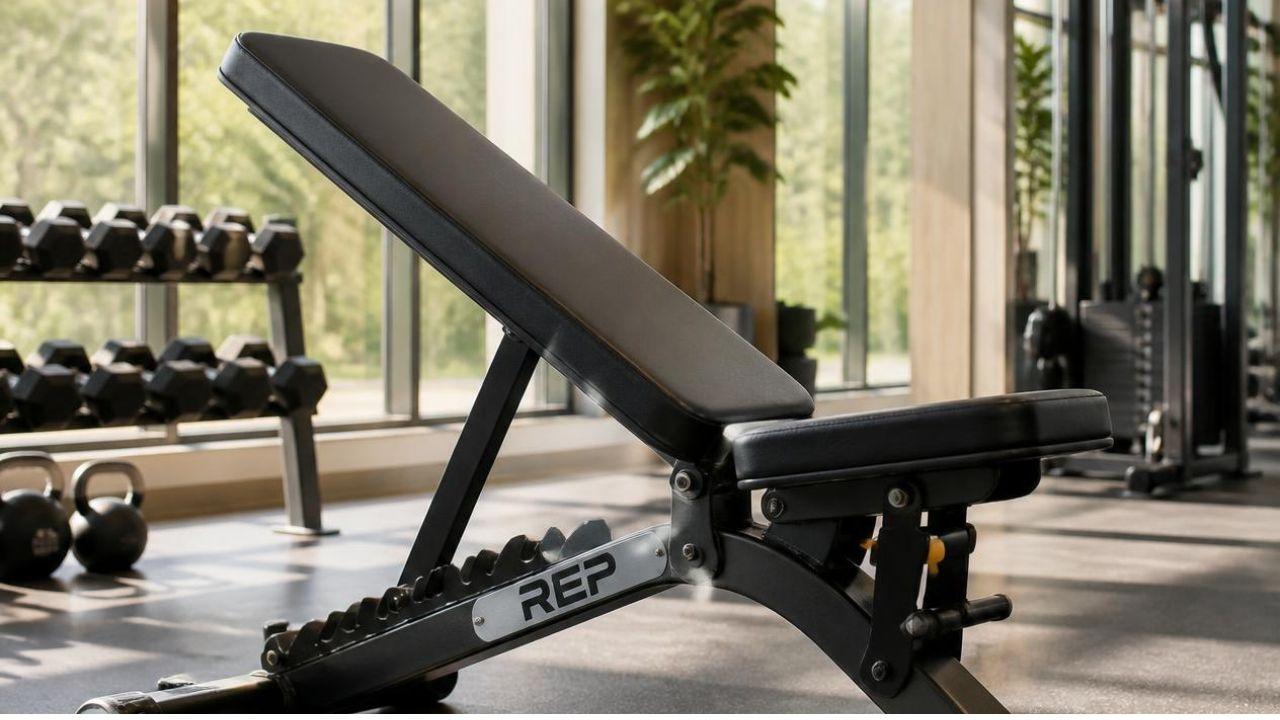
Building an effective home workout space is not just about buying more equipment. The right equipment should match your fitness goals, available space, workout routine, and training style. One versatile piece of equipment that can make a major difference is a well-designed bench.
Whether you are focused on strength training, muscle building, dumbbell exercises, or general fitness, choosing the right bench can make your workouts more comfortable and flexible.
Why Your Choice of Bench Matters
A workout bench provides support during many strength exercises and can help you maintain a stable position while training. A good bench can also allow you to change your exercise angles, giving you more options without filling your workout area with multiple pieces of equipment.
For people creating a home gym, versatility is especially valuable. An adjustable design can support exercises such as presses, rows, curls, shoulder movements, and abdominal exercises, depending on the rest of your equipment and the bench's adjustment range.
1. Start With Your Fitness Goals
Before choosing a bench, think about what you actually want to accomplish.
If your goal is building muscle, you may want a sturdy bench that works well with dumbbells and pressing exercises. If you are interested in full-body workouts, look for a versatile design that supports different body positions.
Beginners should prioritize simplicity, stability, and ease of adjustment. More experienced lifters may want additional adjustment positions, greater load capacity, and a design suited to heavier training.
Your fitness goals should always come before appearance or unnecessary features.
2. Look for Multiple Adjustment Positions
One of the biggest advantages of an adjustable bench is flexibility. Different angles can help you perform different exercises and change the way a movement feels.
A bench that provides flat and incline positions can be useful for a variety of upper-body exercises. Some models also offer decline settings for additional training options.
Before buying, check how many positions are available and how easily you can change them. A complicated adjustment system may become frustrating if you need to change positions frequently during workouts.
3. Prioritize Stability and Build Quality
A bench should feel stable when you sit, lie, or exercise on it. Stability becomes even more important when you are using dumbbells or other weights.
Pay attention to the frame construction, base design, adjustment mechanism, and overall build quality. A wider or well-balanced base can contribute to a more secure training experience.
Also check the manufacturer's stated weight capacity and make sure it suits your current training requirements with enough room for future progression.
4. Check the Padding and Comfort
Comfort matters more than many beginners expect.
You may spend considerable time on your bench during exercises such as presses, rows, seated movements, and core training. Insufficient or poorly designed padding can make longer workouts uncomfortable.
Look for supportive padding that provides a stable surface without feeling excessively soft. The upholstery should also be durable enough for regular use.
5. Consider the Bench Size and Your Space
Home gyms often have limited room, so dimensions should be part of your buying decision.
Measure the available workout area before selecting a bench. Remember to leave enough space around it to perform exercises safely and move weights comfortably.
A compact bench may be ideal for smaller rooms, while a larger design may provide additional stability and support for more demanding workouts.
6. Think About Your Training Style
Not every athlete trains in the same way.
Someone who primarily performs dumbbell workouts may want a versatile bench that supports several upper-body movements. Someone combining resistance training with functional workouts may prioritize portability and easy storage.
Think about your weekly routine. The best choice is the one that fits the exercises you regularly perform rather than the one with the longest feature list.
7. Look for Easy Adjustments
Changing the bench position should be simple and secure. During a workout, you do not want to spend excessive time trying to adjust complicated mechanisms.
A practical adjustment system can make transitions between exercises faster and keep your training session organized.
Before making a purchase, review the adjustment method and understand how securely each position locks into place.
8. Choose Versatility Over Unnecessary Features
More features do not automatically mean better value.
A quality Adjustable Gym Bench should provide the core functions you actually need. Instead of paying extra for features you may rarely use, focus on stability, adjustability, comfort, durability, and suitable dimensions.
A simple, well-built bench can often become one of the most frequently used pieces of equipment in a home workout area.
9. Think About Long-Term Use
Your fitness level may change over time. The equipment that works for you today should ideally continue to support your training as your strength and experience increase.
Consider your future goals before purchasing. If you plan to progressively increase resistance, make sure the bench's specifications are appropriate for your expected training needs.
Investing in suitable equipment from the beginning can help you avoid replacing it unnecessarily later.
Build a Smarter Workout Space
Choosing the right bench is ultimately about finding a balance between functionality, comfort, stability, space, and your personal training goals.
A carefully selected Adjustable Gym Bench can give your home workout space greater flexibility while supporting a wide range of exercises. Instead of choosing based solely on price or appearance, compare the features that matter most to your training routine.
When your equipment matches your goals, workouts can become more organized, comfortable, and enjoyable. Take time to evaluate your space, understand your training needs, and choose equipment that can grow with your fitness journey.
Final Thoughts
The right workout equipment does not have to be complicated. Start with your goals, consider the exercises you perform most often, check stability and adjustment options, and make sure the equipment fits comfortably within your available space.
With a thoughtful approach, you can create a practical home training environment that supports consistent workouts and helps you stay focused on your fitness goals.
- Managerial Effectiveness!
- Future and Predictions
- Motivatinal / Inspiring
- Fitness and Wellness
- Medical & Health
- Manufacturing
- Education
- Real-Estate
- Food Industry
- Hospitality
- Online Games
- Sports
- Home Services
- Civil Engineering
- Safety and Protection
- Software Products & Services
- Fashion and Jewellery
- Artificial Intelligence
- Entrepreneurship
- Mentoring & Guidance
- Marketing
- Networking
- HR & Recruiting
- Literature
- Shopping
- Career Management & Advancement