

 SkillClick
Why Bulldozers Still Dominate UAE Construction—And Why That's Not Changing
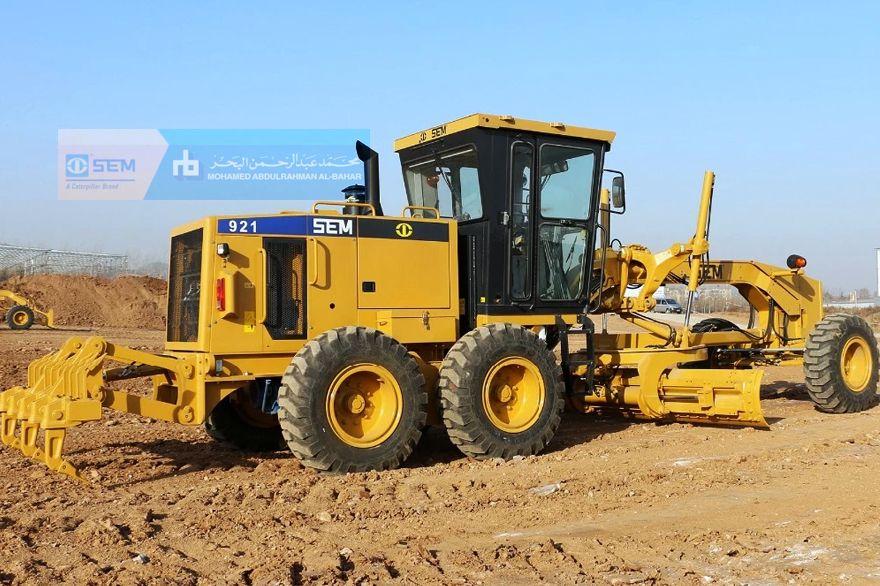
I've spent the last few years tracking equipment sales across the Gulf, and there's one machine that never goes out of fashion: the bulldozer. In the UAE specifically, it's the workhorse that moves mountains of sand, flattens desert, and essentially builds the foundation for everything from residential compounds to industrial zones.
If you're in construction out here, you probably already know this. But what's interesting is why bulldozers remain the first call for project managers, even as newer technology floods the market.
The UAE Construction Reality
The UAE doesn't build like temperate climates. You're working with sand-based substrates, extreme heat, and often, massive earthworks that demand pure pushing power. A typical project in Dubai or Abu Dhabi might involve moving 50,000 cubic meters of material. That's not a job for finesse. That's a job for a D9 or D10 equipped with a blade and the horsepower to move it.
What surprises outsiders is how mechanical these decisions still are. Yes, GPS-equipped dozers exist. Yes, autonomous options are being tested. But on the ground, most operators and fleet managers are thinking about blade design, ground pressure, and fuel consumption. The tech matters less than the machine's ability to handle calcrete—that partially cemented substrate that shows up constantly here.
The Market Numbers
Sales data from authorized Cat dealers across the Emirates shows consistent demand for D6, D7, D8, and D9 models. The D6 moves the most units because it's versatile enough for mid-sized projects but economical enough for rental companies to maintain decent margins. The D8 and D9 are the real money machines though—they command premiums and typically get snapped up by major contractors with multi-year infrastructure bids.
The rental market has changed the purchase calculus. Instead of owning, many contractors lease equipment for project duration. This has actually kept bulldozer sales healthy because rental companies rotate fleet every 5-7 years, so you get consistent replacement demand. A rental outfit in Dubai that operates 40 units might need 8-10 new machines annually just to maintain ageing stock.
Used Equipment Reality
Here's where it gets interesting. Used bulldozer inventory in the UAE is tight. A 2015 D7 with reasonable hours will move in weeks, not months. Prices remain strong because the imported equipment is still performing, and local operators trust brands they know. This means new machine sales don't cannibalise used sales the way they might elsewhere—both segments grow.
The used market also reveals buying patterns. Most purchases happen through authorised dealer networks, not private sales. This matters because it means warranty, maintenance packages, and financing terms influence decisions as much as machine condition. A buyer might pay a premium for a unit with a full service history and remaining warranty over a cheaper equivalent without it.
What Actually Moves Sales
If you ask equipment managers why they bought a specific model, the answers cluster around three things: fuel efficiency, availability of parts, and operator familiarity. Fuel costs are high at scale. Running 50 units means 50,000+ litres monthly, so a machine that drinks 3% less diesel genuinely impacts the bottom line.
Parts availability is non-negotiable here. If a hydraulic fails on a Saturday, you need replacement components by Monday morning, or the project sits idle. This is why established brands with local dealers win. A startup that undercuts the price by 15% doesn't matter if you can't get bucket pins in Al Ain.
Operator familiarity is underestimated. Contractors have skilled dozers who know D9 controls intimately. Asking them to retrain on a different brand or model creates friction they'd rather avoid. This loyalty is real, and it drives repeat purchases.
The Sustainability Conversation
Emissions regulations are tightening, and Stage V compliance is becoming standard. Newer machines have better combustion and lower particulates. Some fleet managers are actually seeing this as a sales opportunity—older machines that don't meet requirements get replaced faster. But it's not a pure upgrade story. A Stage V D8 costs 20-30% more than its Stage III equivalent, and that capital cost sits in spreadsheets for a long time before someone signs the check.
I've spoken to a few contractors experimenting with hybrid dozers, but adoption is glacial. The machines work, but they're unproven at scale in Gulf climates. Maintenance specialists don't have 5-year reliability data yet. So most buyers stick with proven diesel options and hope the next generation of hybrid technology matures before they're forced to upgrade.
Looking at the Next Cycle
Autonomy is coming, but not next year. Self-driving bulldozers exist in limited test deployments in North America. For the UAE, autonomous machines make theoretical sense—less operator fatigue on 12-hour shifts in 45-degree heat—but adoption will lag elsewhere. Local training ecosystems don't exist yet. Insurance companies haven't priced liability. Regulatory frameworks aren't written.
For the next 5-10 years, expect the same pattern: refinement of existing platforms, incremental efficiency gains, tighter emissions, and price pressure from Chinese manufacturers looking to penetrate Gulf markets.
The Takeaway
Bulldozers sell in the UAE because they do what nothing else does—they move material reliably, day after day, in conditions that would wreck lighter equipment. The market isn't particularly exciting or dynamic. But it is stable, predictable, and profitable for dealers who understand regional needs.
If you're buying, stick with authorized sources, plan for fuel costs, and buy what your operators know. If you're selling, remember that buyers care about service availability and total cost of ownership more than shiny features.
The sand isn't going anywhere. Neither are bulldozers.
- Managerial Effectiveness!
- Future and Predictions
- Motivatinal / Inspiring
- Fitness and Wellness
- Medical & Health
- Manufacturing
- Education
- Real-Estate
- Food Industry
- Hospitality
- Online Games
- Sports
- Home Services
- Civil Engineering
- Safety and Protection
- Software Products & Services
- Fashion and Jewellery
- Artificial Intelligence
- Entrepreneurship
- Mentoring & Guidance
- Marketing
- Networking
- HR & Recruiting
- Literature
- Shopping
- Career Management & Advancement