

 SkillClick
Laparoscopic Surgery vs Open Surgery: Which Approach Is Right for You?
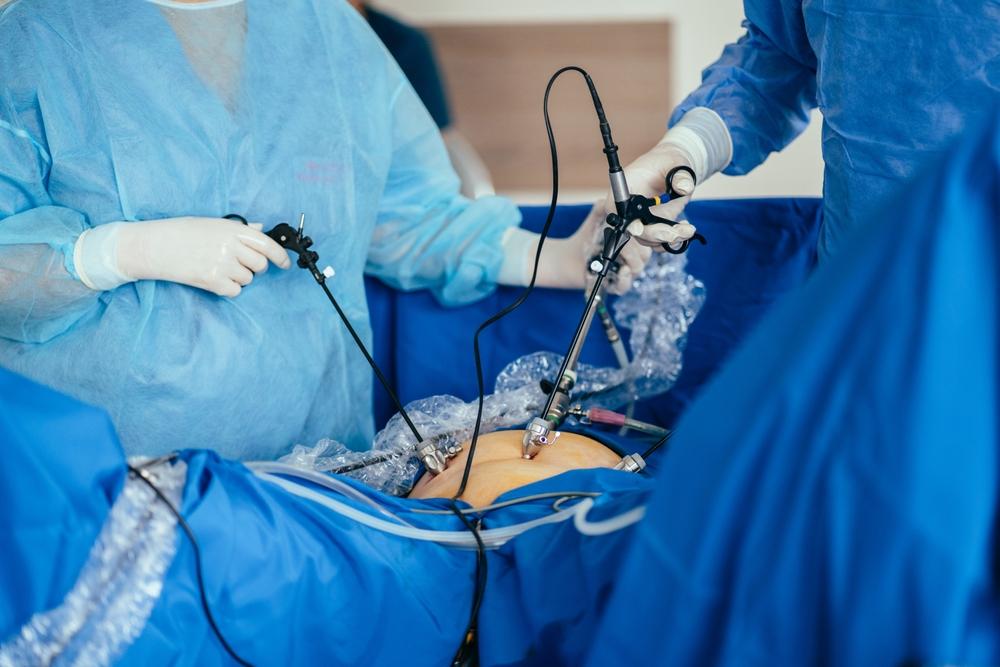
Choosing the right surgical technique can feel overwhelming, especially when you hear terms such as laparoscopic surgery, keyhole surgery, and open surgery. Both approaches are established methods used to diagnose and treat many abdominal and pelvic conditions. The better option depends on the procedure, your medical history, the complexity of the condition, and your surgeon’s assessment.
For patients researching laparoscopic surgery in Islamabad, understanding how these techniques differ can make discussions with a qualified surgical team more productive. Laparoscopic surgery generally uses several small incisions, a camera, and specialized instruments, while open surgery uses a larger incision to provide direct access to the affected area.
What Is Laparoscopic Surgery?
Laparoscopic surgery is a minimally invasive or keyhole surgical technique. Instead of making one large incision, the surgeon creates small openings through which a laparoscope and surgical instruments are inserted.
A camera attached to the laparoscope provides magnified images on a monitor, allowing the surgical team to see and operate inside the abdomen or pelvis. Carbon dioxide is commonly introduced into the abdominal cavity to create working space.
Laparoscopic techniques can be used for procedures such as:
- Gallbladder removal
- Appendix surgery
- Hernia repair
- Certain bowel procedures
- Gynecological surgery
- Some cancer operations
- Diagnostic abdominal procedures
The exact suitability varies according to the condition and individual patient factors.
What Is Open Surgery?
Open surgery, sometimes called traditional surgery or laparotomy when performed through the abdomen, involves a larger incision that gives the surgeon direct access to the treatment area.
Although minimally invasive surgery has become increasingly common, open surgery remains an important option. It may be recommended when a condition is particularly complex, when extensive access is required, or when laparoscopic surgery would not provide the safest or most effective approach.
Open surgery should not automatically be considered an outdated technique. In selected cases, it can be the most appropriate surgical method.
Laparoscopic vs Open Surgery: Key Differences
The main difference is how the surgeon accesses the surgical area. Laparoscopy uses smaller incisions and a camera, while open surgery uses a larger incision for direct access.
| Factor | Laparoscopic Surgery | Open Surgery |
|---|---|---|
| Incisions | Several small cuts | Usually one larger incision |
| Scarring | Generally smaller | Generally more noticeable |
| Postoperative pain | Often less | Often greater |
| Hospital stay | Often shorter | Often longer |
| Recovery | Often faster | Usually takes longer |
| Surgical access | Camera and specialized instruments | Direct access |
| Suitability | Depends on condition and patient | Useful for complex or unsuitable cases |
These are general differences rather than guarantees. Outcomes can vary significantly depending on the specific operation, the patient's health, and surgical expertise.
Benefits of Laparoscopic Surgery
One of the main reasons surgeons consider a laparoscopic approach is the potential for less surgical trauma. Smaller incisions may mean less postoperative discomfort, reduced scarring, and a quicker return to everyday activities.
Potential advantages include:
- Smaller surgical wounds
- Less postoperative pain
- Reduced wound-related problems
- Shorter hospital stay in many procedures
- Earlier return to normal activities
- Smaller visible scars
- Potentially less blood loss in certain operations
Evidence from hospital guidance shows that appropriately selected patients can experience shorter recovery and hospital stays with minimally invasive approaches.
However, laparoscopic surgery is still real surgery. It requires anesthesia, specialized equipment, careful patient selection, and an experienced surgical team.
When Might Open Surgery Be More Appropriate?
Laparoscopic surgery is not suitable for everyone. The decision may be influenced by factors such as the type and extent of disease, previous abdominal operations, scar tissue, overall health, and the complexity of the procedure.
Open surgery may be considered when:
- The condition requires wider surgical access.
- Extensive internal disease makes keyhole surgery difficult.
- Significant scar tissue limits visibility or movement.
- Unexpected complications occur during surgery.
- The surgeon believes open access provides greater safety.
- The patient's anatomy or medical condition makes laparoscopy unsuitable.
Importantly, an operation can sometimes begin laparoscopically and be converted to open surgery. This is not necessarily a surgical failure. Conversion may be the safest decision when visibility, bleeding, anatomy, or disease complexity makes continuing laparoscopically inappropriate.
Which Surgical Approach Is Right for You?
There is no universal answer to whether laparoscopic or open surgery is better. The correct approach is the one that provides the best balance of safety, effectiveness, and recovery for your particular condition.
During consultation, your surgeon may consider:
- Your diagnosis and severity of disease
- Previous abdominal or pelvic surgery
- Existing medical conditions
- Medications and anesthesia considerations
- Body anatomy and overall health
- Complexity of the planned procedure
- Surgeon and hospital resources
- Expected recovery requirements
Patients should ask why a particular technique has been recommended and whether there are reasonable alternatives. Understanding the expected benefits, risks, recovery period, and possibility of conversion can help you make an informed decision.
Choosing a Surgical Provider in Islamabad
The quality of surgical care involves more than simply choosing between laparoscopic and open techniques. Look for a provider with appropriately qualified surgeons, suitable operating facilities, established safety protocols, proper anesthesia support, and structured postoperative follow-up.
For patients exploring surgical services in Islamabad, SKN Cosmetics in Islamabad can be considered as a clinic option to discuss available surgical services and consultation pathways. Patients should have an individual assessment rather than selecting a procedure based only on online information.
What Should You Expect During Recovery?
Recovery varies according to the procedure rather than the surgical label alone. Laparoscopic surgery often allows earlier mobility and a shorter hospital stay, but major laparoscopic procedures can still require several weeks for complete recovery.
After either type of surgery, follow your surgeon's instructions regarding:
- Wound care
- Physical activity
- Medication
- Diet and hydration
- Driving
- Returning to work
- Follow-up appointments
Contact your healthcare provider promptly if you develop concerning symptoms such as worsening pain, fever, significant wound redness or discharge, breathing difficulties, or unusual swelling.
Frequently Asked Questions
Is laparoscopic surgery safer than open surgery?
It can offer recovery advantages in suitable patients, but safety depends on the procedure and individual circumstances.
Does laparoscopic surgery leave scars?
Yes, but the scars are generally smaller than those from open surgery.
Is recovery faster after laparoscopic surgery?
Often, but recovery depends on the operation, your health, and whether complications occur.
Can laparoscopic surgery become open surgery?
Yes. Surgeons may convert to an open approach when doing so is considered safer.
How do I know which surgery is right for me?
Your surgeon should assess your condition, medical history, and procedure requirements before recommending an approach.
- Managerial Effectiveness!
- Future and Predictions
- Motivatinal / Inspiring
- Fitness and Wellness
- Medical & Health
- Manufacturing
- EĞİTİM BİLGİLERİ
- Real-Estate
- Food Industry
- Hospitality
- Online Games
- Sports
- Home Services
- Civil Engineering
- Safety and Protection
- Software Products & Services
- Fashion and Jewellery
- Artificial Intelligence
- Entrepreneurship
- Mentoring & Guidance
- Marketing
- Networking
- HR & Recruiting
- Literature
- Shopping
- Career Management & Advancement